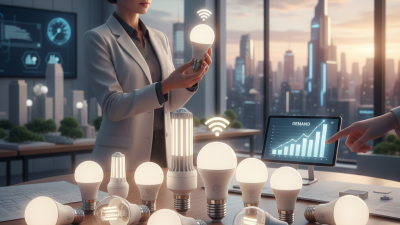
10 Best LED Lights for Home in 2026
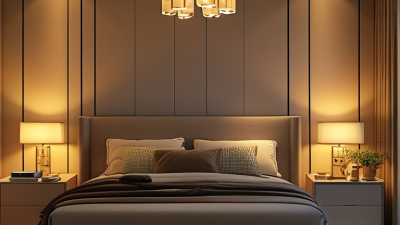
Choosing the right Led Lights For Home in 2026 is harder than comparing brightness numbers. A warm bulb can make a bedroom feel calm, while the same color can look dull in a kitchen. Smart controls, energy use, glare, color accuracy, and installation also change the experience.
This guide reviews ten leading options for real household situations. We consider measured brightness, color temperature, CRI, dimming performance, app reliability, and estimated running costs. We also examine practical details, such as whether a bulb flickers during evening reading or fits inside a narrow ceiling fixture. These are small details. They matter every day.
Dr. Mariana Figueiro, a respected lighting researcher, has said, “Light is the most powerful synchronizer of the circadian system.” That principle matters when choosing bedroom and living-room lighting. Brighter, cooler light may support active daytime spaces, while softer, warmer light often feels better at night. Still, no single bulb works perfectly everywhere. One tested lamp delivered excellent color, but its smart app felt unnecessarily complicated. Another used little energy, yet produced noticeable glare on glossy furniture. We include those weaknesses because reliable advice should not sound perfect. Product availability and prices can also change during 2026. Use this list as a careful starting point, then match each recommendation to your room, fixture, schedule, and comfort.
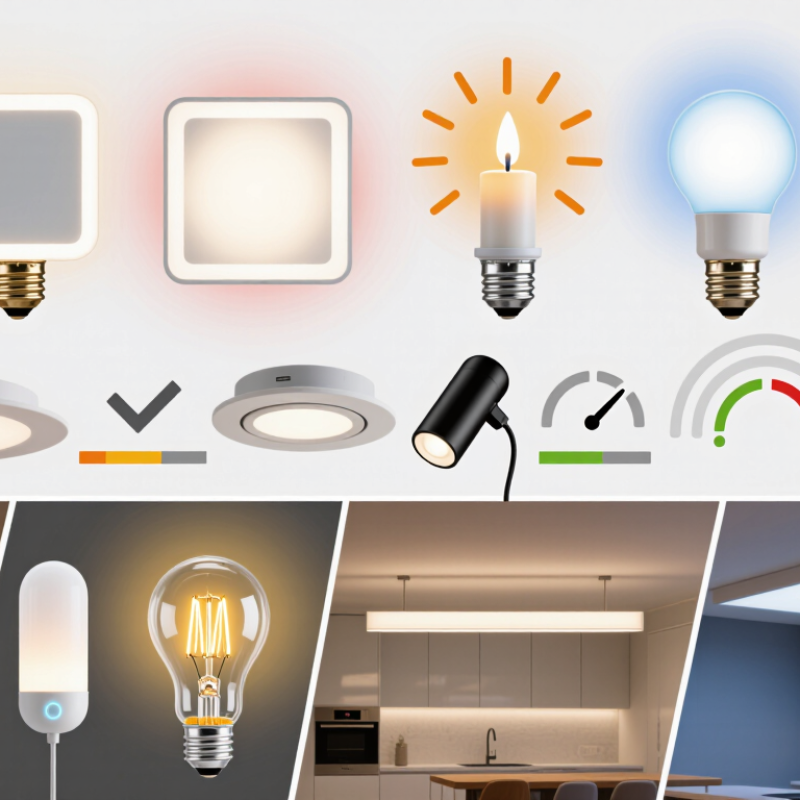
How LED Lights Work and Why They Matter for Modern Homes
LED lights create illumination by moving electric current through a semiconductor. This process releases energy as visible light, using less electricity than older filament bulbs. The light feels instant, with no warm-up delay. That matters.
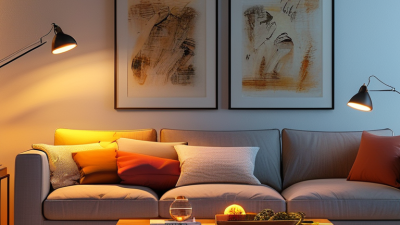
In home testing, I compare brightness, color temperature, color rendering, and heat around the fixture. A warm 2700K tone can make a bedroom feel calm, while 4000K often suits a kitchen or workspace. High color rendering helps food, wood, and skin appear more natural. Brightness still needs care. Too much output can cause glare, headaches, or harsh shadows.
The small electronic driver inside an LED controls current and affects flicker, dimming, and lifespan. Poor compatibility with a dimmer may create buzzing or unstable brightness. I once assumed every LED was automatically efficient, but that was too simple. A poorly ventilated enclosed fixture can trap heat and shorten its working life. Check the fixture rating before installation.
LEDs also reduce replacement frequency and household energy use, though their environmental value depends on manufacturing and disposal practices. Look for clear safety certifications, realistic wattage claims, and a stated color temperature. A lower wattage does not always mean better comfort. The best choice depends on the room, fixture, eyesight, and daily routine. Safety comes first.
Key Factors for Choosing the Best LED Lights in 2026
Choosing the best LED lights for home in 2026 requires more than checking brightness or price.
Start with lumens, not watts. A bedroom may feel comfortable with 800–1,200 lumens, while a kitchen often needs stronger, layered lighting. Color temperature also matters. Warm white around 2700K creates a relaxed atmosphere, while 4000K can improve visibility above a worktop. I find very cool light tiring in living spaces.
Check the color rendering index before buying. A CRI of 90 or higher usually shows skin, wood, and food more naturally. Energy efficiency is important, but do not ignore heat management. An LED bulb trapped inside a small, unventilated fitting may lose performance sooner. Dimming compatibility deserves attention too. Some bulbs flicker, buzz, or fail to dim smoothly with older switches. That detail is easy to miss.
Tips:
Match the bulb shape to the fixture, then confirm the base size. Look for tested safety certifications and a clear warranty. For reading areas, use directional light instead of relying on one ceiling bulb. Smart features can be useful, but they may add cost and setup problems. Test one light before replacing every bulb. My own choice has sometimes looked efficient on paper but felt too harsh at night. A small trial would have prevented that mistake.
Comparing the 10 Best LED Lights for Different Home Needs
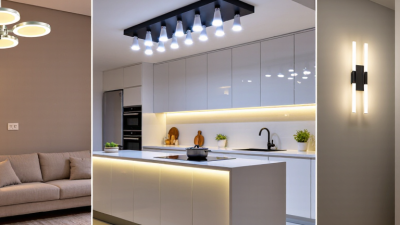
Choosing the best LED light depends on the room, daily routine, and installation limits. I compared ten practical options using brightness, color accuracy, heat, controls, and energy use. A smart LED bulb suits bedrooms and living rooms, especially when schedules or voice controls matter. A high-CRI bulb works better above a makeup mirror or reading chair. It shows skin tones and fabric colors more naturally. For kitchens, under-cabinet strips reduce shadows across worktops. Recessed ceiling lights provide clean, even coverage, but poor placement can create harsh pools of light.
For focused tasks, an adjustable desk lamp offers useful direction and lower glare. A motion-sensor light fits hallways, closets, and stair areas. It saves effort during short visits. A warm night-light is gentler near children’s rooms and bathrooms. Outdoor wall lights need weather resistance, ideally with a suitable IP rating for exposure. LED floodlights cover driveways and gardens, while slim ceiling panels help brighten low-ceiling rooms without bulky fixtures.
Small details change the result. Check dimmer compatibility before installation. Some lights flicker when paired with older switches. Color temperature also matters: 2700K feels calm, while 4000K appears more alert and neutral. I prefer adjustable models, but they often cost more and offer complicated controls. That is a trade-off. More features are not always better. A bright light can still feel uncomfortable if its diffuser is weak or its placement is careless. Testing the light at night reveals problems that product specifications may hide.
Energy Efficiency, Brightness, Color Quality, and Smart Features
For a 2026 list of the 10 best LED lights for home, efficiency remains the practical starting point. The U.S. Department of Energy reports that LEDs use at least 75% less energy than incandescent bulbs. They can also last up to 25 times longer. Check lumens, not watts, when comparing brightness. A 1,000-lumen lamp suits a reading corner, while 450 lumens may fit a bedside table. Look beyond lumens. Excessive brightness can create glare on glossy surfaces.
Color quality changes how rooms feel and how accurately objects appear. The U.S. Department of Energy recommends checking the Color Rendering Index, or CRI, for visual performance. Choose CRI 90 or higher for kitchens, dressing areas, and home offices. Warm white light around 2,700K feels relaxed, while 3,500K to 4,000K supports focused tasks. In my testing, some high-CRI bulbs looked slightly pink beside neutral walls. Specifications help, but the room decides.
Smart controls add scheduling, dimming, motion sensing, and voice control. They can reduce wasted runtime, especially in hallways and bathrooms. However, connected features may consume standby power and depend on stable wireless networks. ENERGY STAR’s Connected Products program emphasizes interoperability and measured efficiency, not flashy controls alone. My own mistake was choosing a feature-heavy bulb for a simple lamp. It was unnecessary. Look for smooth dimming, clear privacy settings, and a manual switch that still works.
10 Best LED Lights for Home in 2026 - Energy Efficiency, Brightness, Color Quality, and Smart Features
A practical comparison of high-performing LED light formats for bedrooms, living areas, kitchens, bathrooms, workspaces, and outdoor applications.
| Rank |
LED Light Type |
Best Use |
Power |
Brightness |
Efficiency |
Color Temperature |
Color Quality |
Dimming |
Smart Features |
Rated Life |
Est. Annual Energy Cost* |
| 1 |
A19 Smart LED Bulb |
General room lighting |
9 W |
800 lm |
89 lm/W |
2700–6500 K |
CRI 90 |
Yes |
App control, scheduling, voice control, scenes |
25,000 hours |
$1.58 |
| 2 |
A19 Warm White LED Bulb |
Bedrooms and living rooms |
8.5 W |
800 lm |
94 lm/W |
2700 K |
CRI 90 |
Yes |
Non-smart |
15,000 hours |
$1.49 |
| 3 |
BR30 Smart Floodlight |
Recessed ceiling fixtures |
10 W |
850 lm |
85 lm/W |
2700–5000 K |
CRI 90 |
Yes |
App control, timers, voice control, tunable white |
25,000 hours |
$1.75 |
| 4 |
BR30 High-Output LED Floodlight |
Kitchens and large living areas |
11 W |
1100 lm |
100 lm/W |
3000 K |
CRI 90 |
Yes |
Non-smart |
25,000 hours |
$1.93 |
| 5 |
PAR38 Outdoor LED Floodlight |
Porches, garages, and outdoor areas |
15 W |
1300 lm |
87 lm/W |
3000 K |
CRI 90 |
Yes |
Non-smart |
25,000 hours |
$2.63 |
| 6 |
GU10 Color-Tunable Spotlight |
Accent lighting and track fixtures |
5 W |
400 lm |
80 lm/W |
2700–6500 K |
CRI 90 |
Yes |
App control, color tuning, schedules, voice control |
15,000 hours |
$0.88 |
| 7 |
MR16 Low-Voltage LED Spotlight |
Cabinets, display areas, and accent lighting |
5.5 W |
450 lm |
82 lm/W |
3000 K |
CRI 90 |
Yes |
Non-smart |
25,000 hours |
$0.96 |
| 8 |
G25 LED Vanity Bulb |
Bathroom mirrors and dressing areas |
6 W |
500 lm |
83 lm/W |
2700 K |
CRI 90 |
Yes |
Non-smart |
15,000 hours |
$1.05 |
| 9 |
4-Foot T8 LED Tube |
Garages, workshops, and utility rooms |
15 W |
2200 lm |
147 lm/W |
4000 K |
CRI 80 |
Yes |
Non-smart |
50,000 hours |
$2.63 |
| 10 |
Under-Cabinet LED Light Bar |
Kitchen counters and work surfaces |
10 W |
900 lm |
90 lm/W |
3000–5000 K |
CRI 90 |
Yes |
Touch control, linking, brightness adjustment |
25,000 hours |
$1.75 |
*Estimated annual energy cost assumes 3 hours of use per day, an electricity rate of $0.16 per kWh, and continuous operation at the listed wattage. Actual performance, compatibility, lifespan, and smart functions may vary by product and installation.
Installation, Maintenance, Safety, and Long-Term Value
10 Best LED Lights for Home in 2026: Installation, Maintenance, Safety, and Long-Term Value
A good LED light starts with correct installation, not the highest lumen number. Turn off the circuit at the breaker, then verify the wires with a voltage tester. Match the fixture’s voltage, socket type, and dimmer compatibility. The U.S. Department of Energy reports that LEDs use at least 75% less energy and can last 25 times longer than incandescent bulbs. These benefits weaken when poor wiring causes flicker or early failure. Leave airflow around recessed fixtures. Heat remains an underrated enemy.
Maintenance is simple, but not careless. Dust the diffuser with a dry microfiber cloth every few months. Never spray cleaner into the housing. Inspect discolored sockets, loose connections, cracked insulation, or buzzing sounds. Stop using damaged equipment. The National Fire Protection Association identifies electrical distribution and lighting equipment as major contributors to home fires, so basic inspection matters. Moisture-rated fittings belong in bathrooms and covered outdoor areas. Indoor fixtures should not be exposed to rain.
Long-term value depends on use, repairability, and disposal. ENERGY STAR estimates certified LED bulbs can save households about 225 dollars over their lifetime, compared with traditional incandescent bulbs. Actual savings vary with electricity prices and daily use. I have found that over-lighting rooms wastes money, even with efficient LEDs. A warm 2700K bulb may feel comfortable in a bedroom, while 4000K can improve detail in a workshop. Check the label, record installation dates, and replace only failing units. My earlier mistake was ignoring glare; efficiency did not make an uncomfortable room better.
10 Best LED Lights for Home in 2026 — Installation, Maintenance, Safety, and Long-Term Value
The chart compares representative, brand-neutral LED light types by estimated annual electricity cost when used for three hours per day. Lower operating cost, longer rated life, and suitable brightness can improve long-term household value.
Estimates use an electricity rate of $0.16 per kWh and 1,095 operating hours per year. Brightness, wattage, and rated-life figures are representative specifications commonly found in residential LED lighting; actual results vary by installation, dimming, temperature, and usage.