Best Led Replacement Options for Your Lighting Needs?
In today's world, the shift towards energy-efficient lighting has never been more critical. "LED replacement is not just an upgrade, it's a necessity for sustainable living," asserts Dr. Emily Hart, a leading expert in lighting technologies. With advancements in LED Replacement options, consumers now have a wealth of choices that cater to various needs.
Many people remain uncertain about which LED replacements to choose for their homes or businesses. It's not just about brightness; factors like color temperature and energy savings matter significantly. High-quality LED replacements offer extended lifespans, but selecting the right one can feel overwhelming. There are so many brands and specifications that it could lead to regret if choices are made hastily.
Moreover, while some LED replacements boast impressive durability, not all deliver on their promises. Some users find themselves dissatisfied with the performance of lower-quality options. It's crucial to approach the market with a discerning eye. Exploring reputable brands and understanding the technology behind them can mitigate future issues and enhance overall satisfaction.

Understanding LED Technology and Its Advantages
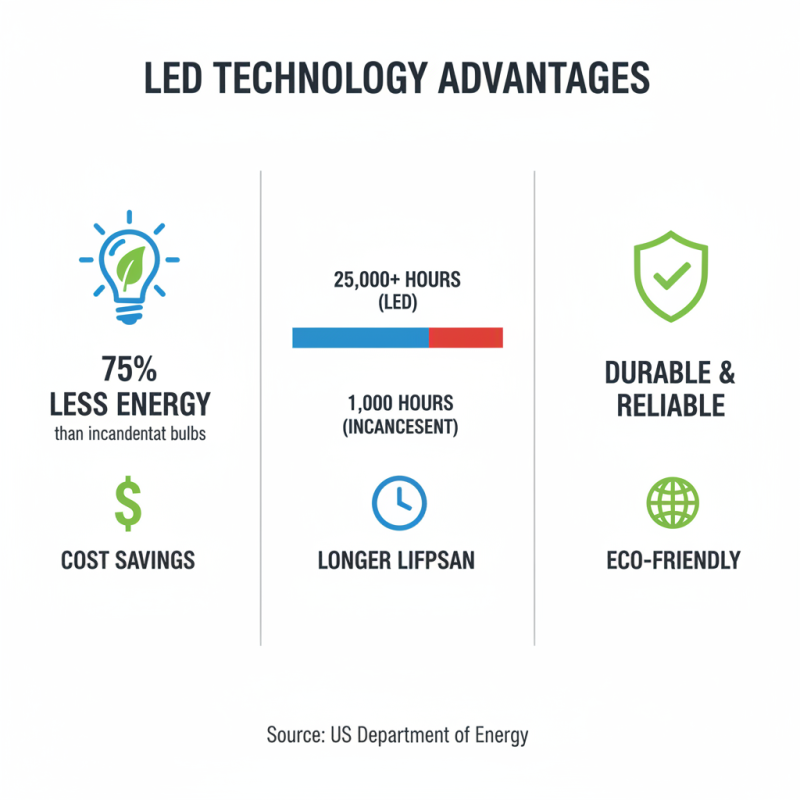
LED technology has revolutionized lighting solutions. Its efficiencies make it a leading choice for both residential and commercial spaces. According to the U.S. Department of Energy, LED bulbs use at least 75% less energy than traditional incandescent bulbs. This efficiency translates to significant cost savings in energy bills. Additionally, LEDs last longer, often exceeding 25,000 hours compared to 1,000 hours for incandescents. These factors make LEDs economically attractive for many consumers.
One significant advantage of LED lights is their environmental impact. LED bulbs contain no toxic materials and are 100% recyclable. This aspect of LED technology aligns with growing sustainability goals. However, it's vital to recognize potential drawbacks as well. Some consumers report difficulties in color rendering and dimming capabilities. Understanding the color temperature can also be complex. Choosing the right LEDs requires more thought than simply switching to a brighter bulb.
**Tips:** Consider the brightness level you need. Assess your space's lighting requirements carefully. Look for models with appropriate color temperature values to achieve desired effects. Lastly, research labels for energy efficiency ratings. This knowledge ensures you make informed choices about your lighting needs, boosting both effectiveness and sustainability.
Identifying Different LED Replacement Types for Various Fixtures
When it comes to replacing traditional lighting with LEDs, understanding the different types is crucial. For downlights, a retrofittable LED bulb offers an easy solution. These bulbs fit into existing sockets, providing an instant upgrade. They often come in adjustable color temperatures, making it simple to set the mood. Yet, ensure you check the lumens output. Too much brightness can be harsh.
For decorative fixtures, consider LED filament bulbs. They resemble the old incandescent look but bring the energy efficiency of LEDs. Their warm glow creates a cozy atmosphere. However, not all fixtures will accommodate these bulbs. Verify dimensions before purchasing to avoid frustration.
Candelabra fixtures require a special approach. The mini LED bulbs available today can fit snugly without sacrificing style. Be cautious; some may flicker in incompatible dimmers. It's easy to overlook this aspect. Addressing compatibility can save headaches down the line. Understanding these options empowers you to make informed choices for your lighting needs.
Best Led Replacement Options for Your Lighting Needs?
| Fixture Type |
Replacement LED Type |
Wattage Equivalent |
Lumens Output |
Lifespan (Hours) |
Color Temperature (K) |
| A19 Bulb |
LED A19 |
60W |
800 |
15000 |
3000 |
| BR30 Bulb |
LED BR30 |
65W |
750 |
25000 |
2700 |
| GU10 Spot Light |
LED GU10 |
50W |
500 |
20000 |
4000 |
| T8 Fluorescent |
LED T8 |
32W |
3200 |
50000 |
5000 |
| PAR30 Bulb |
LED PAR30 |
75W |
1050 |
25000 |
3000 |
Evaluating Brightness and Color Temperature in LED Options
When choosing LED lights, brightness is crucial. Measured in lumens, brightness can vary widely among options. Higher lumens mean brighter light, but the best choice depends on your environment. For example, living rooms benefit from warm, inviting light, while workspaces need brighter, cooler tones.
Color temperature, measured in Kelvin, affects mood and functionality. A lower Kelvin rating produces a warm, yellow light, ideal for cozy settings. In contrast, a higher rating indicates blue, daylight-like light, suitable for task-oriented areas. Understanding these nuances can transform your space effectively.
Tips: Always consider the purpose of the room. Experiment with color temperature to find what feels right. Pay attention to how different LEDs make a room feel. Adjusting light can dramatically impact ambiance. A stark white light might energize a study but create discomfort in a bedroom.
Comparing Energy Efficiency and Lifespan of LED Bulbs
When selecting LED bulbs for your lighting needs, energy efficiency and lifespan are crucial factors. According to the Department of Energy, LED bulbs use up to 75% less energy than traditional incandescent bulbs. This significant reduction not only lowers electricity bills but also contributes to environmental sustainability.
Lifespan is another key consideration. LED bulbs typically last 15,000 to 25,000 hours, far exceeding the lifespan of incandescent options, which last about 1,000 hours. This means fewer replacements over the years and less waste. However, it’s essential to assess the quality of the LED bulbs you choose. Lower-quality options may fail prematurely or not deliver the advertised lumens.
Moreover, while LED technology offers impressive benefits, inconsistencies exist in color rendering and flicker rates. Some users report strobing effects that can lead to discomfort. Thus, careful selection is necessary. Research shows that properly chosen LED bulbs can significantly enhance lighting quality while minimizing energy use. Balancing these aspects is key to making an informed decision.
Best LED Replacement Options for Your Lighting Needs
Installation Considerations for LED Lighting Upgrades
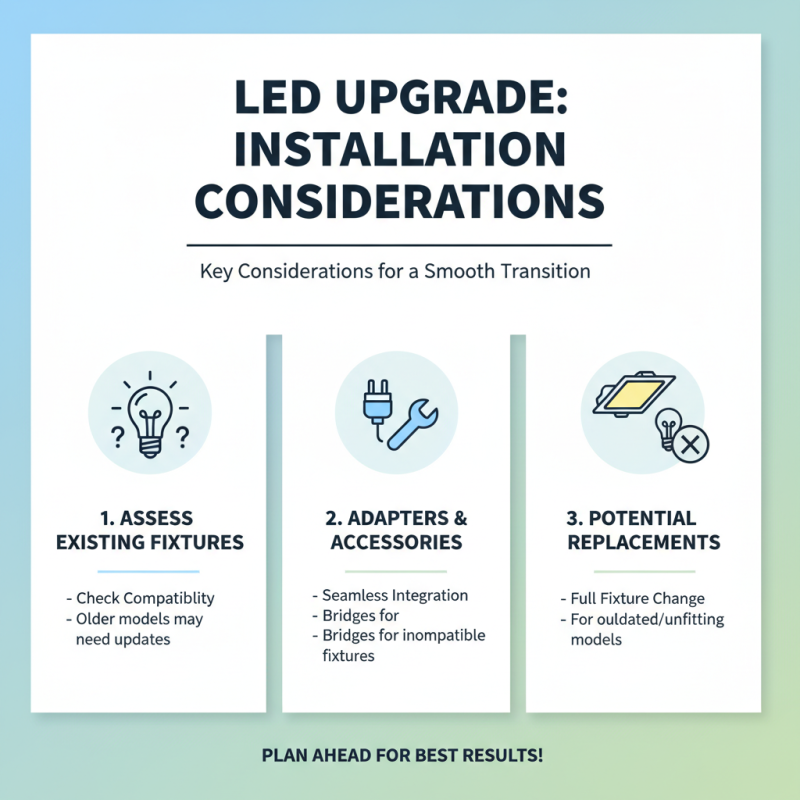
When considering an LED lighting upgrade, installation plays a crucial role in achieving the best results. First, assess the existing fixtures you have. Some older fixtures may not be able to accommodate the new LED bulbs seamlessly. You might need adapters or even replacements for certain models. This adds complexity to your upgrade process.
Properly evaluating the electrical system is necessary, too. Sometimes, older wiring may not support the efficiency of modern LEDs. If issues arise, you could face flickering lights or insufficient brightness. Conducting a thorough check can save you time and money in the long run.
**Tips:** Meet with a lighting specialist for expert guidance on compatibility. This can clarify any doubts about your fixtures. Moreover, consider energy usage and savings when selecting LED options. Not all LEDs are equal in energy efficiency. Researching and understanding these differences can lead to better choices for your specific needs.