How to Choose the Best Led Lights For Home to Transform Your Space?
When it comes to transforming your living space, the choice of lighting is crucial. According to a recent report by the U.S. Department of Energy, LED lights can reduce energy consumption by approximately 75% compared to traditional incandescent lighting. This remarkable efficiency makes "Led Lights For Home" not just a stylish option, but also a smart investment.
Lighting designer Sarah Thompson asserts, “The right LED lights can completely change the atmosphere of a home.” Her words emphasize the importance of thoughtful selection in lighting design. While the market offers a plethora of choices, finding the perfect fit for your home involves careful consideration of factors such as brightness, color temperature, and energy efficiency.
However, many homeowners overlook these details. They often choose aesthetics over function, leading to disappointing results. Not all LED lights work equally well in every space. Choosing wisely can greatly enhance your home's appeal and comfort. This growing trend in home lighting deserves attention, as it can influence your overall lifestyle and well-being.
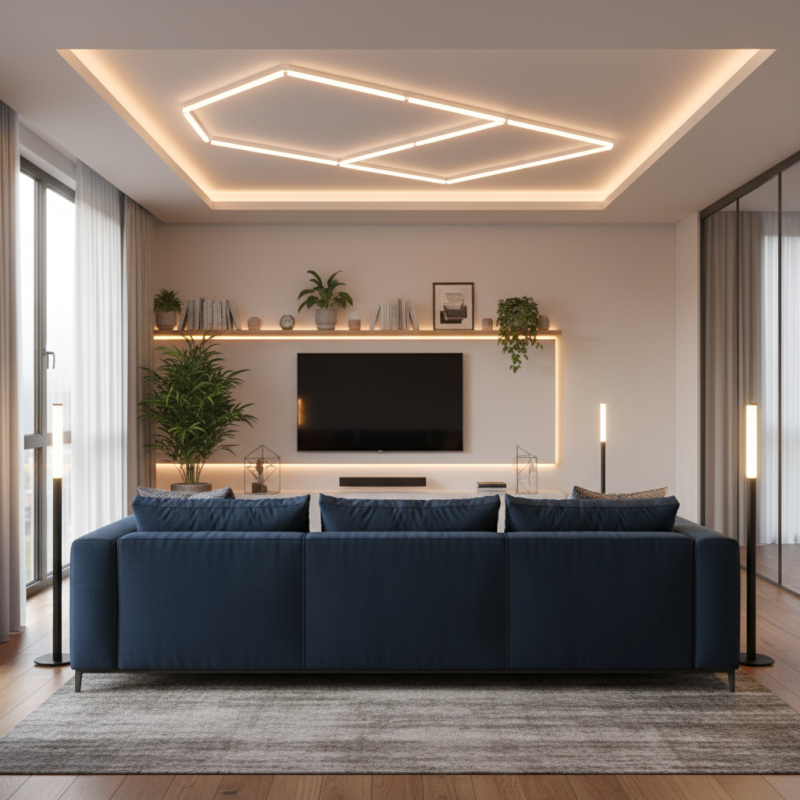
Understanding LED Light Types: A Guide to Home Lighting Solutions
When transforming your home with LED lights, understanding different types is crucial. LEDs come in various designs, such as bulbs, strips, and panels. Each type serves a unique purpose. For instance, LED bulbs excel in traditional fixtures, while LED strips are perfect for accent lighting.
According to industry reports, LED lights consume 75% less energy than traditional incandescent bulbs. This not only reduces your electricity bills but also minimizes environmental impact. However, not all LED lights are created equal. Some may emit harsh light, affecting your space's mood. A balance between brightness and warmth is essential.
Consider the color temperature as well. Warm white (2700K-3000K) creates a cozy atmosphere, while cool white (4000K-5000K) is energizing. Yet, many homeowners overlook this detail. Choosing the wrong temperature can change the vibe of a room dramatically, often in ways that may not be immediately apparent. Pay attention to the color rendering index (CRI) too; a rating above 90 ensures that colors appear true and vibrant. An informed choice will elevate your home’s ambiance significantly.
How to Choose the Best Led Lights For Home to Transform Your Space?
| LED Light Type |
Color Temperature (Kelvin) |
Lumens (Brightness) |
Application |
Energy Efficiency (Wattage) |
| Warm White LED |
2700K - 3000K |
800-1000 Lumens |
Living Room, Bedroom |
8-12 Watts |
| Cool White LED |
4000K - 4500K |
800-1200 Lumens |
Kitchen, Bathroom |
10-15 Watts |
| Daylight LED |
5000K - 6500K |
800-1600 Lumens |
Office, Study Area |
10-18 Watts |
| Smart LED |
2700K - 6500K (Adjustable) |
800-1100 Lumens |
Flexible for any room |
8-12 Watts |
| Accent LED |
3000K - 5000K |
400-600 Lumens |
Artwork, Displays |
5-10 Watts |
Evaluating Brightness: The Importance of Lumens in LED Selection
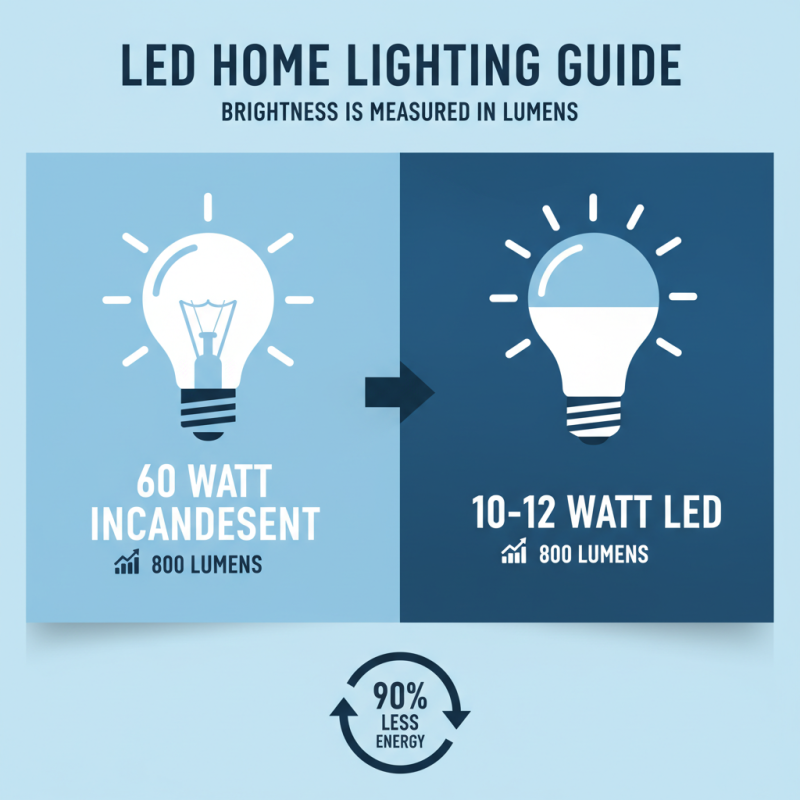
When choosing LED lights for your home, brightness is a key factor. Brightness is measured in lumens. A higher lumen count means brighter light. For instance, a typical 60-watt incandescent bulb emits about 800 lumens. In contrast, an LED bulb can produce the same brightness but uses only 10-12 watts. This efficiency is why many are shifting to LED technology.
Understanding lumens can be tricky. Different rooms need different brightness levels. For cozy spaces like bedrooms, aim for around 200-400 lumens. In contrast, kitchens or workspaces often require 500 lumens or more. This variance isn’t just a preference. Studies show that brighter lighting can improve focus and productivity.
Tip: Consider dimmable LED options. They offer flexibility and help set the mood. Test the brightness by trying different wattages in your space. Don't rush your decision. Sometimes, a light may seem dim in the store but brighter once installed. Reflect on color temperature as well; warmer tones can soften a room’s atmosphere.
Color Temperature Explained: Choosing the Right Ambiance for Your Space
Choosing the right color temperature for LED lights can significantly affect your home's ambiance. Color temperature is measured in Kelvin (K). Warm light, around 2700K, creates a cozy and inviting atmosphere. It's perfect for living rooms and bedrooms. This type of light makes spaces feel comfortable. However, it might not be suitable for areas needing focus.
Cooler light, like 5000K, mimics daylight. It works well in kitchens and bathrooms where clarity is essential. This temperature promotes alertness, but it can feel harsh in relaxation areas. Balancing warm and cool lights helps set the right mood but requires careful planning. Not every room needs the same lighting.
Sometimes, our initial choices may not fit the space perfectly. You might find a warm light feels too dim in a large area. Conversely, a bright light can feel out of place in a cozy nook. It’s worth experimenting with different temperatures. By doing this, you can adjust your living space to feel just right. The right lighting transforms how you experience your home.
Energy Efficiency Ratings: How to Analyze LED Performance and Savings
When selecting LED lights for your home, energy efficiency is a crucial factor. LEDs use up to 75% less energy than traditional incandescent bulbs. This means lower electricity bills. A 2019 report by the U.S. Department of Energy showed that widespread LED use could save over $30 billion per year in energy costs. These savings are significant for households looking to cut down expenses.
Understanding energy efficiency ratings can be overwhelming. The key metrics to analyze are lumens per watt (lm/W) and the Energy Star certification. A good LED bulb provides at least 80 lumens per watt. Higher ratings indicate better performance and savings. For example, a 10-watt LED can produce around 800 lumens, comparable to a 60-watt incandescent bulb. This means bright lighting without the high energy cost.
However, not all LED lights deliver the same quality. Some cheaper options may flicker or have poor color accuracy. These issues can detract from your home's ambiance. Researching product reviews and energy ratings can help avoid regrets. A smart choice today leads to long-term benefits and comfort in your space.
LED Light Performance and Energy Savings Analysis
This chart displays the performance metrics of LED lights, including lumens per watt, average lifespan in years, annual energy cost savings, and the initial cost. These factors are crucial for evaluating the efficiency and value of LED lighting solutions for your home.
Installation Tips: Best Practices for Successfully Integrating LED Lights
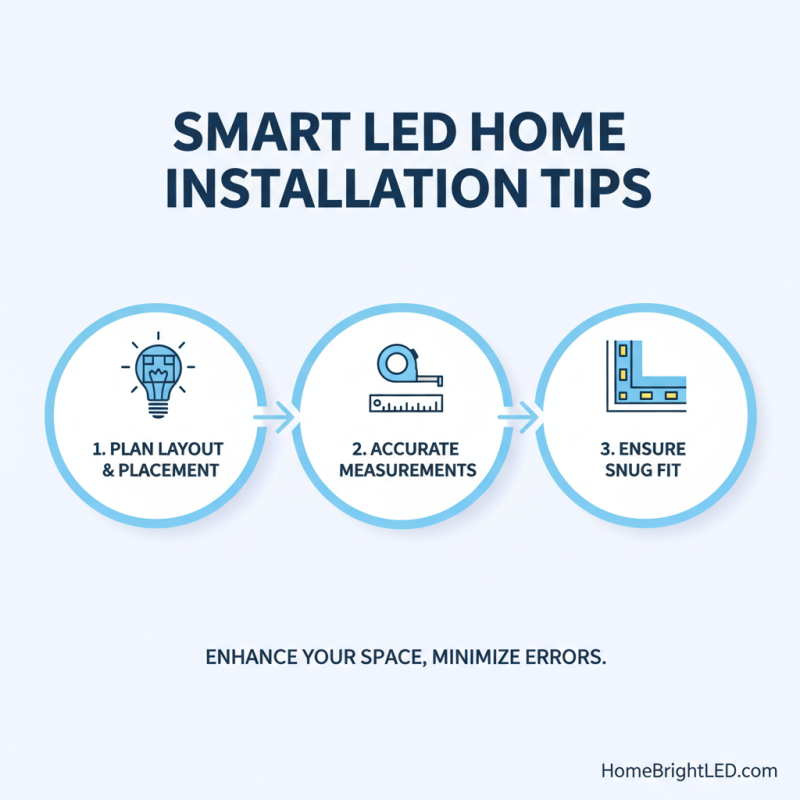
When integrating LED lights into your home, there are several installation tips to enhance your space. It's crucial to plan your layout ahead of time. Determine which areas need more light and where to place the fixtures. Measure your space carefully. This step minimizes errors and ensures a snug fit.
Consider using dimmer switches. They allow you to adjust brightness levels to suit different moods. Some may overlook this feature, but it can make a significant difference. It's also wise to think about the color temperature. Warm lights create a cozy atmosphere, while cooler tones are more energizing. Striking the right balance is essential.
Before installation, ensure you have all necessary tools. Missing equipment can lead to delays and frustration. If you’re unfamiliar with electrical work, consult a professional. Mistakes can be costly and dangerous. Always follow safety protocols to protect yourself and your home. Sometimes, the simplest setups are the most effective. Keep it straightforward, and you’ll avoid unnecessary complications.