Why Choose Gu24 Led Bulb for Energy Efficient Lighting Solutions?
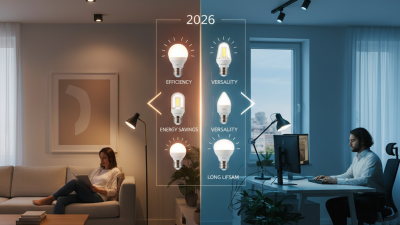
When considering energy-efficient lighting, the Gu24 LED bulb stands out as an exceptional choice. These bulbs are designed to consume less energy while delivering impressive brightness. With their unique base and compact design, Gu24 LED bulbs are suitable for various fixtures, making them versatile and practical. Many users report significant savings on their energy bills after switching to these LED options.
The benefits of Gu24 LED bulbs extend beyond mere energy efficiency. They offer longer lifespans, often lasting up to 25,000 hours. This longevity means fewer replacements, reducing waste and environmental impact. Additionally, Gu24 LED bulbs emit minimal heat, enhancing safety and comfort in your home. Users appreciate this feature, especially during hot months.
However, the transition to LED lighting can be challenging. Some may find the initial cost higher compared to traditional bulbs. Reflecting on this, it's essential to consider the long-term savings and benefits. Investing in Gu24 LED bulbs is not just about immediate expenses; it’s about creating a sustainable future with reliable lighting solutions.

Overview of GU24 LED Bulbs and Their Benefits
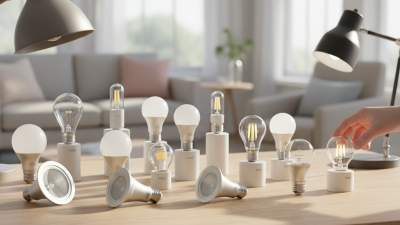
GU24 LED bulbs are gaining popularity for their energy-efficient lighting solutions. These bulbs feature a unique base design that easily fits into specific sockets, promoting versatile use in various fixtures. The compact shape also allows for a sleek appearance, fitting seamlessly into both modern and traditional decor.
The benefits of GU24 LED bulbs are substantial. They consume significantly less energy than traditional incandescent options. This results in lower electric bills and a reduced carbon footprint. Additionally, GU24 LEDs offer a longer lifespan, often lasting over 25,000 hours. This reduces waste and the frequency of replacements, which is not only economical but also environmentally friendly.
Installing these bulbs can sometimes be tricky due to their specific base design. It’s essential to ensure compatibility with existing fixtures. Some users may find issues with dimming capabilities when paired with certain dimmer switches. Awareness of these details can enhance the user experience. Overall, GU24 LED bulbs present an efficient and sustainable option for modern lighting needs.
Energy Efficiency: How GU24 LED Bulbs Save on Electricity Costs
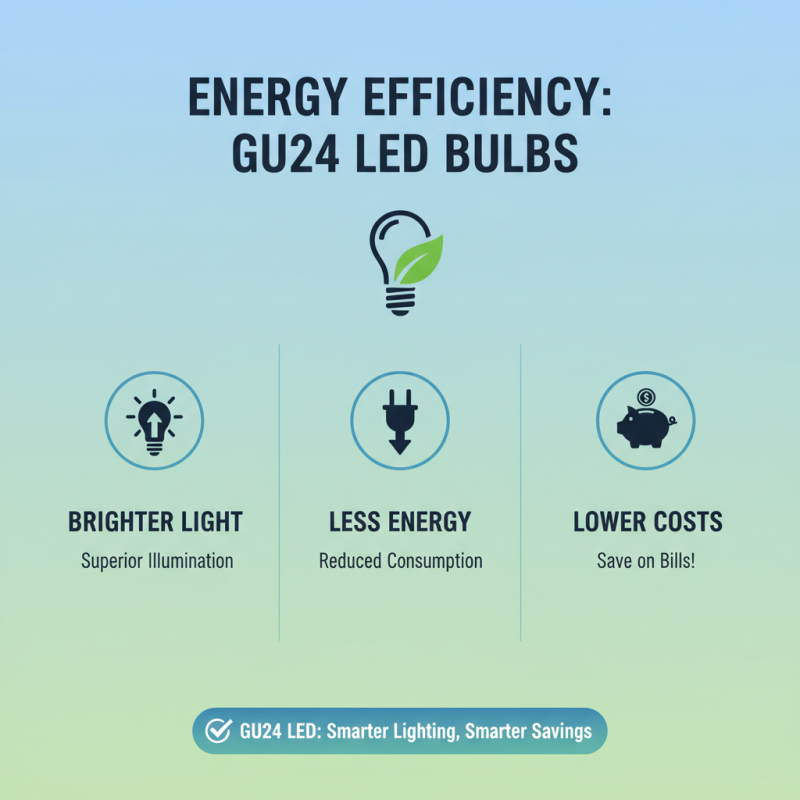
When it comes to energy-efficient lighting, GU24 LED bulbs stand out. These bulbs are designed to provide brighter light while consuming less energy. The innovative technology behind LED bulbs allows them to convert energy into light more effectively than traditional options. That means lower electricity bills for homeowners and businesses alike.
Switching to GU24 LED bulbs can drastically reduce energy consumption. In fact, they can last up to 25,000 hours, minimizing the need for frequent replacements. This longevity translates into added savings over time, as fewer bulbs mean less waste. However, the initial cost might deter some consumers. It's important to weigh this cost against the long-term savings on utility bills.
Additionally, GU24 LED bulbs emit less heat, making them safer for various settings. Unlike incandescent bulbs, which waste energy through heat, LEDs direct most of their energy into light. While they may seem more expensive upfront, the efficiency and lifespan often justify this investment. Reflecting on these factors can help illuminate your choice in lighting solutions.
Comparison of GU24 LED Bulbs with Traditional Lighting Solutions
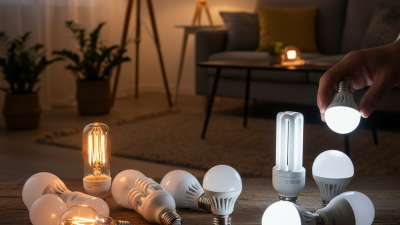
GU24 LED bulbs are transforming the lighting landscape due to their energy efficiency. Studies show that LED technology can lead to energy savings of up to 80% compared to traditional incandescent bulbs. Moreover, GU24 LED bulbs have a much longer lifespan, typically lasting around 25,000 hours. In contrast, incandescent bulbs last only about 1,000 hours. This translates to reduced costs in replacements and energy usage over time.
Another notable advantage of GU24 LED bulbs is their significantly lower heat output. Traditional bulbs generate up to 90% of their energy as heat, which can increase cooling costs in warmer months. GU24 LED bulbs, however, are designed to emit very little heat. The Department of Energy estimates that using LED bulbs can save households approximately $225 a year on electricity bills.
Despite these advantages, transitioning to GU24 LED bulbs is not without challenges. Some users note that the initial purchase cost of LEDs can be higher than incandescent options. Additionally, not all GU24 LED bulbs deliver the same quality of light, which can lead to dissatisfaction. It’s essential to choose quality products to ensure true energy efficiency and satisfaction.
Comparison of Energy Consumption: GU24 LED Bulbs vs Traditional Lighting Solutions
Installation and Compatibility of GU24 LED Bulbs in Various Fixtures
When selecting GU24 LED bulbs, their installation and compatibility are crucial factors.
GU24 base bulbs feature a twist-and-lock mechanism, making them easy to install. This design fits various fixtures, including sconces and lamps.
Before installing, ensure your fixture is compatible with GU24 bases. Checking the manufacturer's specifications is a good starting point.
Tips: Always power off the fixture before replacing bulbs. This prevents shocks and ensures safety.
If the bulb doesn't fit easily, avoid forcing it; using incorrect fixtures can lead to damage.
Some homeowners find that GU24 bulbs can be slightly less common than standard bases.
This may cause challenges in finding replacements at local stores. Online retailers provide a wider selection.
Keep an eye on the wattage and lumens when purchasing. Inconsistent specifications can lead to unsatisfactory lighting results.
In some instances, GU24 LED bulbs may flicker or not turn on. This could result from an incompatible fixture or wiring issues.
Always consult a professional if you encounter difficulties. Proper installation is key to maximizing the efficiency and lifespan of your lighting solutions.
Environmental Impact of Choosing GU24 LED Bulbs for Lighting
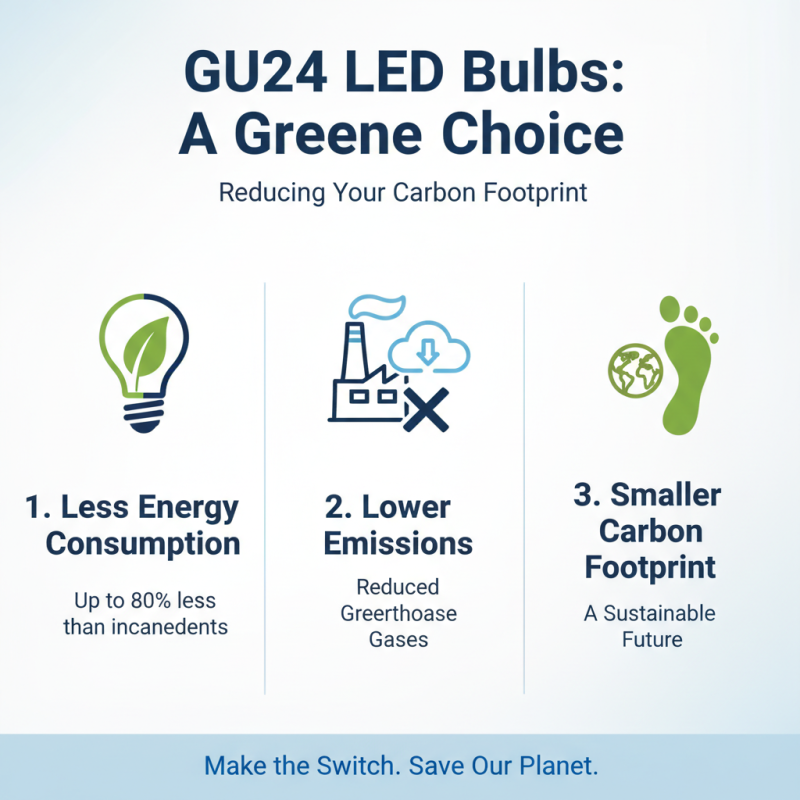
Selecting GU24 LED bulbs significantly affects the environment in numerous ways. Firstly, these bulbs consume less energy compared to traditional incandescent bulbs. This reduced energy use leads to lower greenhouse gas emissions from power plants. When fewer resources are consumed, the carbon footprint decreases. This is not just a trend; it’s a necessary change for our planet.
However, GU24 bulbs are not perfect. The manufacturing process for LED technology can involve hazardous materials. If not disposed of properly, these materials can contribute to pollution. It’s essential to recycle GU24 bulbs when they reach the end of their lifespan. Awareness about proper disposal methods needs improvement among consumers.
Moreover, while GU24 LEDs provide superior efficiency, they also have a higher initial cost. This can deter some people from making the switch. A deeper societal shift is necessary to understand the long-term savings they provide. Despite these gaps, the potential for positive environmental impact remains significant. Making better choices today can lead to a healthier planet tomorrow.