How to Choose the Best Led Lights for Home Lighting Needs?
Choosing the right LED lights for home can seem overwhelming. Many options exist, each with unique features. Expert Mark Johnson, a lighting designer, emphasizes, "The right LED lights can transform your home environment significantly." His insights illustrate how crucial it is to select suitable lights.
When shopping for LED lights for home, consider your specific needs. Think about the size of your rooms and your preferred atmosphere. Brightness, color temperature, and energy efficiency play vital roles. Some products promise great results but may not fit all spaces perfectly. Research is essential to find reliable products.
Not every light will suit your needs. You might face challenges in choosing fixtures that blend practicality with aesthetics. Issues like glare or uneven lighting may arise. Reflecting on your experiences can help refine your choices. Ultimately, the right LED lights for home can enhance comfort and mood, but careful selection is key.

Understanding Different Types of LED Lights for Home Use
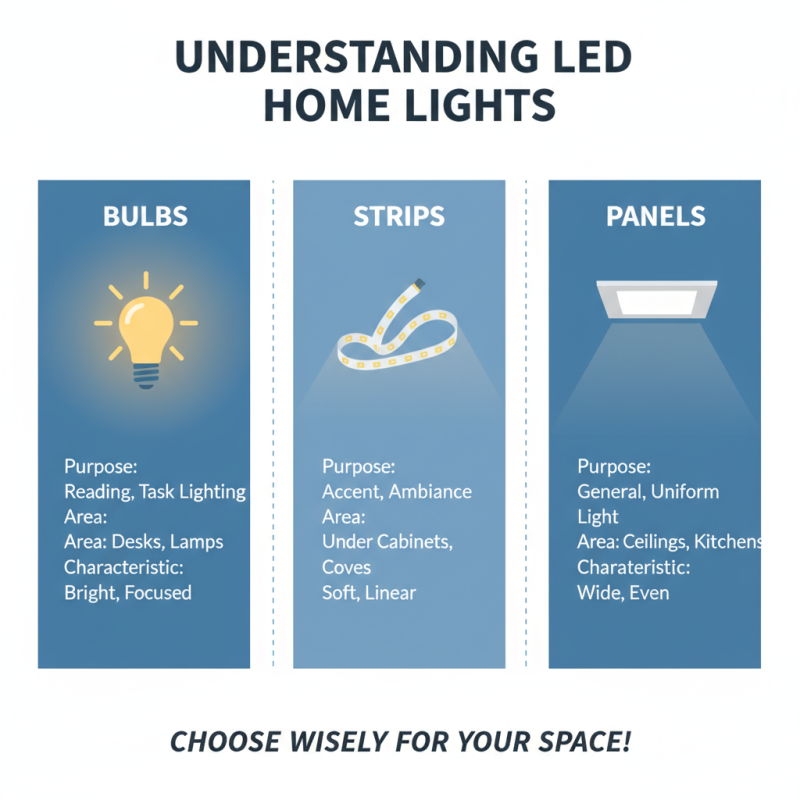
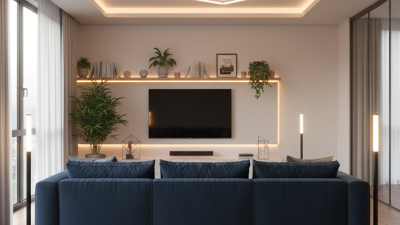
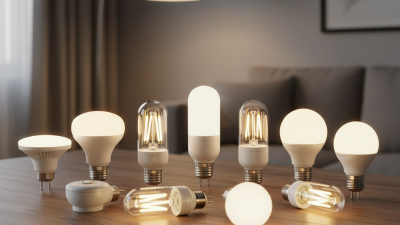
When choosing LED lights for home use, it's essential to understand the different types available. There are various options, such as bulbs, strips, and panels. Each type serves unique purposes in different areas of your home. For reading, bright bulbs are ideal. Soft, warm lights create a cozy atmosphere in living rooms.
Consider color temperature when selecting LED lights. They range from warm white to cool daylight. Warm white tends to be relaxing, suitable for bedrooms. On the other hand, cool daylight mimics natural light, making it perfect for kitchen areas and workspaces.
Another critical factor is brightness, measured in lumens. Higher lumens provide more light. However, too much brightness can be harsh. Reflect on the mood you want to create in each room. Not every space requires intense lighting. Too often, people overlook lighting's effect on their home’s ambiance. Taking the time to choose carefully can enhance your living space dramatically.
Evaluating Brightness and Color Temperature for Your Needs
When selecting LED lights for your home, consider brightness and color temperature as key factors. Brightness is measured in lumens. Higher lumens mean brighter light. Think about where you'll use the lights. A living room may need around 1,500 lumens. Meanwhile, work areas like kitchens might require more. It’s essential to find a balance between brightness and comfort for your eyes.
Color temperature, measured in Kelvin, affects the mood of a room. Warmer temperatures (around 2700K) create a cozy atmosphere. They are perfect for bedrooms and relaxation spaces. Cooler temperatures (5000K and above) are more energizing. These work well for kitchens or study areas. Choosing the right color can transform a space, making it feel more inviting or stimulating.
Tips for choosing the right lights: Always test the light before purchasing if possible. Appearance in-store can differ from your home. Sometimes, one's preference changes once they see the light in action. Don’t forget to consider bulb lifespan and energy efficiency. These factors can save you money in the long run. Adapt and adjust based on your daily activities. What works today might not suit your needs tomorrow.
Considering Energy Efficiency and Lifespan of LED Bulbs
When choosing LED lights for your home, energy efficiency is crucial. Look for bulbs that have high lumens per watt. This indicates that they provide more light while using less energy. Energy-efficient bulbs can significantly lower your electricity bill over time. Choosing the right wattage for each space also matters. Living rooms may require brighter options, while bedrooms can benefit from softer, dimmer lights.
Lifespan is another essential factor. High-quality LED bulbs can last up to 25,000 hours or more. This longevity reduces the frequency of replacements, saving you money and hassle. A shorter lifespan, however, might lead to impulsive buying. Always check the product details to ensure you choose a reliable option.
Tips:
- Pay attention to the color temperature of the bulbs. Warmer tones create a cozy atmosphere, while cooler lights can enhance productivity.
- Consider dimmable options for flexibility. These may adjust according to your mood or activity.
- Inspect warranties or guarantees provided. A good warranty indicates a manufacturer’s confidence in their product, ensuring peace of mind.
Assessing Compatibility with Existing Fixtures and Dimmers
When choosing LED lights for home lighting, compatibility with existing fixtures and dimmers is crucial. Many homes still use traditional incandescent bulbs, which can limit options. Research shows that around 40% of homeowners experience dimming issues when switching to LED. That’s a significant number, signaling the importance of checking compatibility.
Most LED lights today work well with standard fixtures. However, not all do with dimmers. Some dimmers may not support the lower wattage of LED bulbs. A survey conducted by lighting experts indicates that using incompatible dimmers can reduce bulb lifespan by up to 50%. This can lead to frustration when lights flicker or fail to dim properly.
It’s essential to examine dimmer ratings before purchasing. Look for lights labeled as "dimmer compatible." Additionally, pay attention to the wattage load your existing dimmer can handle. Sometimes, upgrading to an LED-compatible dimmer resolves these issues. However, it’s often overlooked. Ignoring such details can result in suboptimal lighting experiences. Always consult with professionals if you're unsure.
Budgeting for LED Lights: Initial Cost vs. Long-Term Savings
When budgeting for LED lights, many people focus on the initial cost rather than considering long-term savings. LED lights may cost more upfront, but they can save you significant money over time. For example, an LED bulb typically lasts 25,000 hours compared to just 1,000 hours for an incandescent bulb. This longevity means fewer replacements and lower waste.
Consider your energy bills. LED lights consume up to 80% less energy than traditional bulbs. This can significantly lower monthly expenses, especially in well-lit areas. Over the lifespan of an LED bulb, these savings can outweigh the higher initial cost multiple times. However, it's easy to overlook these figures in favor of short-term savings.
Not everyone may see immediate benefits, especially in homes with limited lighting needs. In such cases, the initial outlay might feel excessive. Still, it's essential to reflect on how often you use lighting and the potential savings that come from efficiency. Balancing upfront costs with future savings will lead to informed decisions that benefit your wallet and the environment over time.
Comparison of Initial Costs vs. Long-Term Savings for LED Lights