Dimmable LED Lights Tips for Optimal Brightness and Savings?
In the world of energy-efficient lighting, "Dimmable LED Lights" stand out for their flexibility and benefits. According to lighting expert Dr. Emily Harris, “Properly dimmed lights can transform a space while saving energy.” This insight highlights the importance of understanding how to maximize the advantages of these innovative lights.
Dimmable LED Lights offer an opportunity to adjust brightness based on needs and mood. However, achieving optimal savings while enjoying desired brightness can be tricky. Many users struggle with selecting the right dimmer switch or understanding compatibility issues with their current fixtures. Overlooking these details can lead to frustration or inefficiency.
Moreover, not all dimmable LED options perform the same way. This can create confusion and may even lead to unexpected costs. It's essential to research and choose quality products. Ensuring compatible components is a must for long-term satisfaction and energy savings. Proper usage and selection can significantly impact both experience and wallet.
Understanding Dimmable LED Lights: How They Work and Benefits
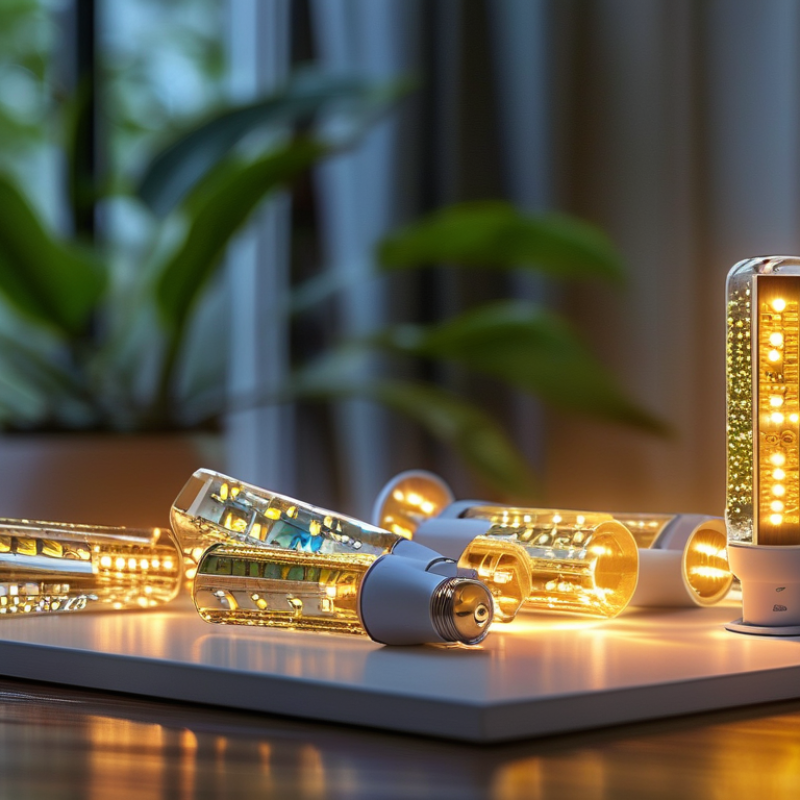
Dimmable LED lights have become increasingly popular due to their versatility and efficiency. Understanding how they work is essential. These lights use a technology that allows users to adjust brightness levels. This feature not only enhances the ambiance but can also lead to significant energy savings. According to a report from the U.S. Department of Energy, dimmable LEDs can reduce energy consumption by 20% to 50% when paired with compatible dimmers.
The benefits of dimmable LED lights extend beyond just energy efficiency. They enhance mood and productivity by allowing customization of light intensity. Studies show that lighting quality influences human behavior and well-being. However, not all dimmers are compatible with LED lights. Users may encounter flickering or limited brightness range. Choosing the right dimmer is crucial. The Lighting Research Center recommends checking compatibility before purchase. Failing to do so may lead to frustration and wasted resources, making informed choices crucial.
Navigating the world of dimmable LEDs requires awareness and some trial and error. Users often face differing opinions on preferred brightness levels for various tasks. Lighting preferences can be subjective. Nearly 30% of individuals find it challenging to select the optimal brightness for reading or working. Periodic adjustments may be necessary to find what works best. Understanding the technical aspects and user experiences can provide valuable insights for selecting and using dimmable LED lights effectively.
Choosing the Right Dimmable LED Light for Your Space
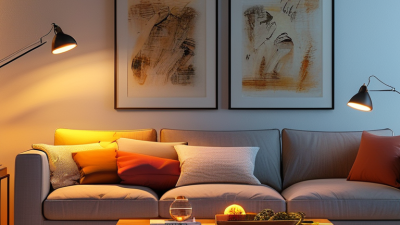
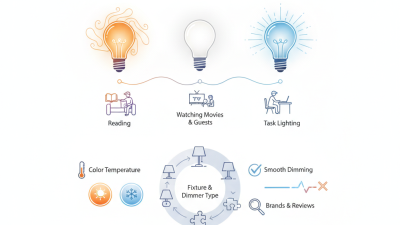
Choosing the right dimmable LED light for your space can transform the atmosphere. Consider the purpose of each room. For a cozy living room, a warm white light around 2700K is ideal. In contrast, a cooler light between 3000K and 4000K suits workspaces better. Assess the size of the area too. A small room may require only one or two lights, while larger spaces benefit from multiple sources.
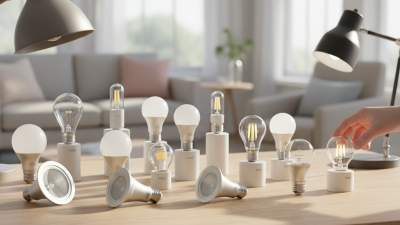
When selecting dimmable LED lights, compatibility matters. Not all dimmers work seamlessly with LED bulbs. Check for LED-compatible dimmers to avoid flickering. Look for a reliable wattage rating. Overloading can cause issues. Proper installation is crucial. Ensure the bulbs are securely fitted to avoid hazards.
Here are some tips for optimal brightness and savings: Use a dimmer that matches your bulb type. This will enhance the dimming experience. Experiment with different brightness levels to find what suits your mood. Regularly clean your fixtures to maintain brightness. Shadows and dust can dim lights unexpectedly. Lastly, consider energy-efficient options, which can save on electricity bills without sacrificing quality.
Dimmable LED Lights Tips for Optimal Brightness and Savings
| Light Type |
Wattage |
Lumens |
Dimming Range |
Average Lifespan (Hours) |
Cost per Bulb ($) |
| Warm White |
10W |
800 |
10%-100% |
25,000 |
12 |
| Cool White |
12W |
950 |
10%-100% |
30,000 |
14 |
| Daylight |
15W |
1100 |
15%-100% |
25,000 |
16 |
| Soft White |
8W |
700 |
20%-100% |
20,000 |
10 |
Tips for Adjusting Brightness for Different Activities and Times
Adjusting the brightness of dimmable LED lights can significantly enhance your environment. Different activities require different lighting. For reading or studying, aim for brighter settings. A luminous space can promote focus. Consider the placement of your lights for maximum effect. A well-lit corner can transform a dull area into an inviting workspace.
At dinner time, softer lighting creates a warm atmosphere. Try lowering the brightness to encourage relaxation and conversation. This shift in lighting can seem small but has a big impact. The right level of brightness can help set the tone for the evening. Experimenting with these adjustments often leads to better experiences, but it may take time to find what feels best.
Time of day also influences how you perceive brightness. Natural light changes as the sun moves. Adjusting your LED lights throughout the day can reflect this rhythm. Morning hours may demand brighter settings, while late evenings often call for softer, muted tones. Awareness of these patterns can help you create an optimized environment for different daily activities.
Embrace the trial and error that comes with adjustments; it is part of discovering your ideal lighting balance.
Energy Efficiency: How Dimming Can Save You Money
Dimming LED lights not only enhances the ambiance but also contributes to energy savings. According to the U.S. Department of Energy, dimmable LED bulbs use about 75% less energy than traditional incandescent bulbs. Adjusting the brightness allows you to tailor the light output, which can directly affect your electricity bill. Research shows that reducing light levels by 50% can save up to 50% on energy costs.
Lighting accounts for approximately 15% of the average home's energy expenditure. By investing in dimmable LEDs, homeowners can potentially lower their overall energy usage. Dimming also prolongs the lifespan of bulbs, with studies indicating that dimming can extend the life of an LED by up to 25%. This not only reduces replacement frequency but also decreases waste—a win-win for both your wallet and the environment.
Here are some tips for optimizing your dimmable LED lights:
- Use multi-tasking dimmers that can regulate different light sources.
- Consider layering your lighting for varied effects and savings.
- Pay attention to your settings: dimming even slightly can make a significant difference.
Finding the right balance between brightness and savings requires careful thought and adjustment. Dimming lights can sometimes lead to flickering or not achieving the desired level of brightness. Experimentation is important to achieve your ideal atmosphere while maximizing energy efficiency.
Maintenance and Troubleshooting for Optimal LED Performance
When it comes to maintaining your dimmable LED lights, regular checks can make a huge difference. Issues like flickering or uneven brightness often arise from incompatible dimmers. Incompatibility can reduce the lifespan of your bulbs. Research shows that nearly 30% of dimmable LEDs are improperly paired with dimming switches. This mismatch can lead not only to performance issues but also to increased energy consumption.
Cleaning LED fixtures is equally crucial. Dust and grime can obstruct light output, leading to darker spaces. A study indicated that clean fixtures can enhance brightness by up to 15%. It's beneficial to use a soft cloth and mild detergent, ensuring no moisture seeps into fixtures. Poor maintenance habits can rob you of optimal performance.
Finally, troubleshooting is key when issues arise. For instance, if your LEDs flicker, check your dimmer settings and ensure the wattage is compatible. Reports indicate that about 25% of LED users encounter such problems due to outdated dimmers. Taking a few minutes to assess these elements can save both energy and frustration. These proactive maintenance tips lead to a more efficient lighting experience.
Dimmable LED Lights: Brightness Levels and Energy Savings