Top 10 Benefits of Led Replacement for Your Home Lighting Needs?
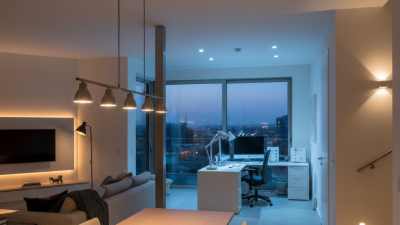
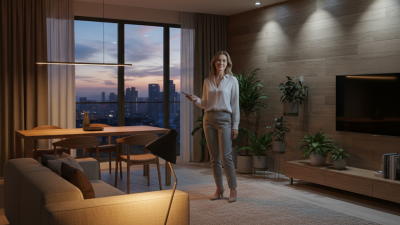
The transition to LED lighting has become a pivotal choice for many homeowners. LED replacement provides a modern solution for various lighting needs. Switching to LED offers not just energy efficiency but also enhances the aesthetic appeal of your living spaces.
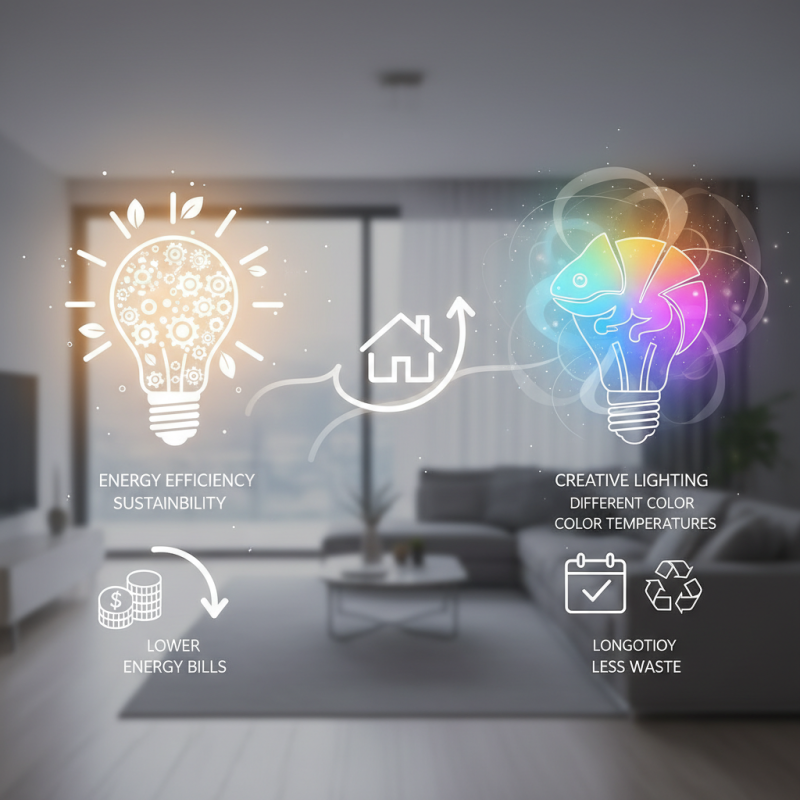
LED replacement lights consume less energy than traditional bulbs. They produce brighter light while emitting less heat. This results in lower energy bills and a more sustainable lifestyle. The longevity of LED bulbs means fewer replacements and less waste, making them a wiser investment. However, some may find the initial cost of LED bulbs more significant than traditional options. It's a crucial factor to consider when planning your budget.
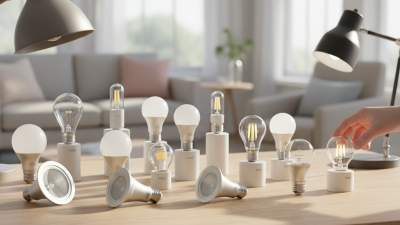
In addition to savings, LED replacement allows for creative lighting options. From dimmable bulbs to different color temperatures, there’s a wide variety to choose from. These options can create unique atmospheres in each room. Still, it’s essential for homeowners to assess their specific needs fully. Understanding how each type of lighting affects mood and functionality can lead to better choices. Embracing LED replacement not only modernizes your home but also contributes to energy conservation in a meaningful way.
Advantages of Energy Efficiency in LED Lighting Solutions
When considering LED lighting for your home, energy efficiency stands out as a major benefit. LED lights consume significantly less power compared to traditional bulbs. This leads to lower electricity bills, freeing up money for other home improvements. With LEDs, you can experience a 75% reduction in energy consumption. This is not just a number; it translates into real savings on your monthly expenses.
LEDs also have a longer lifespan than conventional lighting options. Some can last up to 25,000 hours, greatly reducing the need for frequent replacements. This durability means fewer trips to the store and less waste in landfills. However, transitioning to LED can require an upfront investment. Many homeowners hesitate, wondering if the savings justify the cost. In reality, the long-term benefits often outweigh the initial expenses, making it worth the consideration.
In addition, the environmental impact of using LED lights is significant. They emit less heat, decreasing the load on cooling systems during hot months. Yet, some still question if the shift to LED is necessary. Reflecting on energy usage prompts many to realize that small changes add up. Embracing energy efficiency through LEDs is more than just saving money; it also contributes to a greener planet.
Top 10 Benefits of LED Replacement for Your Home Lighting Needs
| Benefit |
Description |
Energy Savings (%) |
Lifespan (Years) |
| Energy Efficiency |
LEDs consume less power compared to traditional lighting. |
75 |
15+ |
| Reduced Heat Emission |
LEDs emit very little heat, reducing air conditioning costs. |
N/A |
N/A |
| Environmentally Friendly |
LEDs contain no toxic elements and are fully recyclable. |
N/A |
N/A |
| Instant Lighting |
LEDs light up instantly to full brightness. |
N/A |
N/A |
| Dimmability |
Many LED lights can be dimmed to save energy. |
Up to 40 |
N/A |
| Variety of Colors |
Available in a wide range of colors for better mood lighting. |
N/A |
N/A |
| Low Voltage Options |
Can operate on low voltage, making them safer. |
N/A |
N/A |
| Durability |
More resistant to breakage compared to glass bulbs. |
N/A |
30+ |
| Longer Lasting |
Last significantly longer than traditional bulbs, reducing replacement costs. |
N/A |
20-50 |
Longer Lifespan: How LED Lights Outlast Traditional Bulbs
LED lights are revolutionizing home lighting. Their longer lifespan is one of the most appealing benefits. Traditional bulbs often burn out quickly. In contrast, LED lights can last up to 25,000 hours. This means fewer replacements. It also cuts down on waste. You can enjoy bright, efficient lighting without constantly changing bulbs.
When switching to LED, consider your usage. Tips for maximizing lifespan include avoiding frequent on and off cycling. LEDs thrive when on for extended periods. They are also sensitive to heat. Make sure to install them in well-ventilated fixtures. This simple step can extend their life even further.
Investing in LED lighting reduces not just maintenance but energy costs too. LEDs use significantly less power than traditional options. Witness the difference in your electric bill. The upfront cost may be higher, but the savings add up. Reflect on your lighting needs. Sometimes, brighter is not always better. Balance between illumination and ambiance is key.
Benefits of LED Lights vs Traditional Bulbs
Cost Savings: Analyzing Reduced Electricity Bills with LED Use
Switching to LED lighting can lead to significant cost savings. Traditional bulbs consume more electricity, leading to higher bills. In contrast, LEDs use up to 75% less energy. This reduction directly impacts your monthly expenses. As energy prices rise, the benefits of LEDs become even more apparent.
Consider the lifespan of LED bulbs. They last up to 25,000 hours compared to just 1,000 hours for incandescent bulbs. This means fewer replacements and less waste. Fewer trips to the store can save both time and money. You may also reflect on how often you replace old bulbs. Transitioning to LEDs minimizes this hassle.
Here are some tips for maximizing your savings with LED lights. First, invest in dimmable LED fixtures to control brightness. This helps save even more energy during the night. Second, consider smart lighting options. Automation can ensure lights are off when not needed. Lastly, take advantage of LED rebates. Many utilities offer incentives for switching to energy-efficient bulbs. By following these tips, you can enjoy even greater savings on your electricity bills.
Environmental Impact: LED Lights and Sustainable Living Practices
LED lights are more than just an efficient choice for home lighting. They offer significant benefits for the environment. According to the U.S. Department of Energy, LED lighting can use up to 75% less energy than traditional incandescent bulbs. This energy savings translates directly into lower carbon emissions and a reduced carbon footprint for households.
Moreover, LEDs have a longer lifespan, lasting up to 25 times longer than traditional bulbs. By reducing the frequency of replacements, we not only conserve resources but also decrease waste in landfills. The Environmental Protection Agency reported that improper disposal of conventional bulbs can release harmful substances. Thus, switching to LEDs promotes a more sustainable lifestyle.
However, there are challenges too. The initial cost of LED lights can deter some homeowners. Despite their long-term savings, the upfront investment requires careful consideration. Additionally, the technology is still evolving, and not all LED lights are created equal. While many are energy-efficient, some may not meet performance expectations. Environmental impact and sustainability should guide selections.
Versatility in Design: Aesthetic Benefits of LED Lighting in Homes
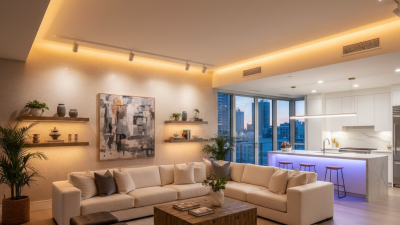
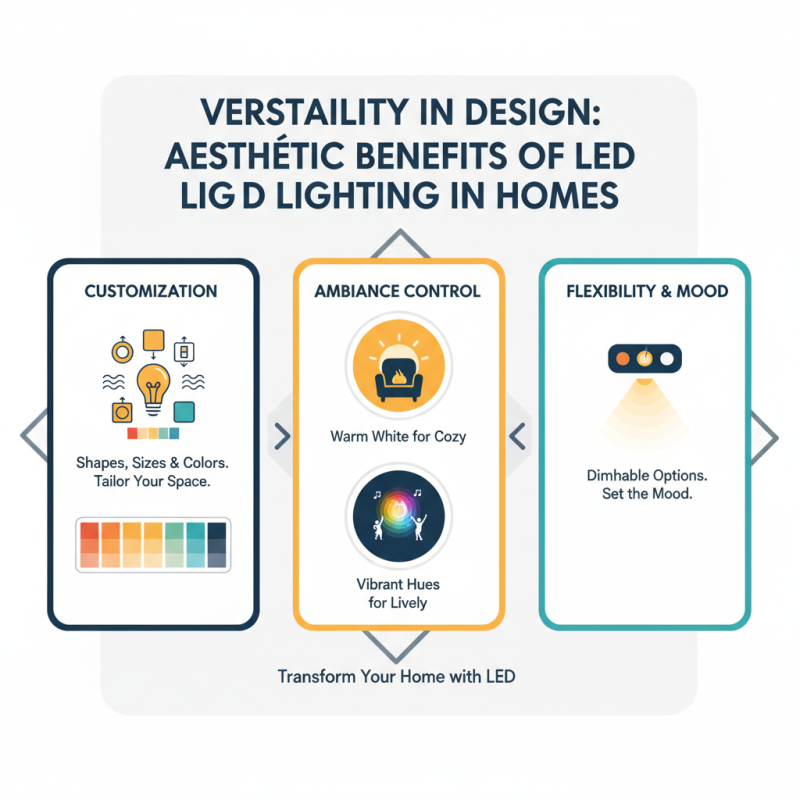
LED lighting offers a unique versatility in design that enhances the aesthetic appeal of homes. These lights come in various shapes, sizes, and colors, allowing homeowners to customize their space. Whether it’s warm white for a cozy atmosphere or vibrant hues for a lively ambiance, LEDs can transform any room. Dimmable options add to this flexibility, letting you set the mood according to your needs.
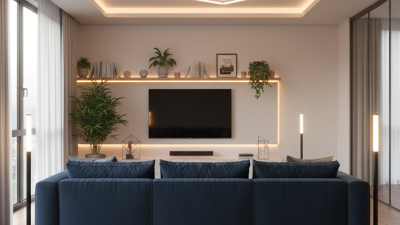
In addition to their design flexibility, LED lights can improve the functionality of your home decor. They can accentuate architectural features or highlight artwork. Placing LED strips under shelves or along staircases creates a stunning visual effect. However, homeowners should consider the color temperature; not all LEDs have the same warmth. Some may feel too harsh, making a space less inviting. Mixing different LED types can create a more balanced lighting scheme.
LED lighting also presents an opportunity for creativity. Custom fixtures and indoor gardens can incorporate LED technology in innovative ways. Yet, it’s essential to choose quality products to avoid flickering or inadequate brightness. Sometimes, the cheapest option may lead to disappointment. Careful planning and consideration can ensure the best results, enhancing both aesthetics and functionality.