2026 Best Led Filament Bulb for Home and Office Lighting Solutions?
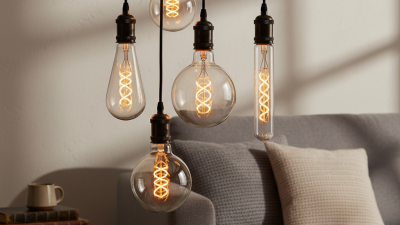
In recent years, the demand for energy-efficient lighting has soared. The "Led Filament Bulb" is leading this shift, offering an aesthetic appeal along with efficiency. Lighting expert Dr. Emily Chang states, "Led Filament Bulbs blend vintage charm with modern technology, making them a perfect choice for any space." This innovation brings style to homes and offices alike.
The design of Led Filament Bulbs mimics traditional incandescent bulbs. However, they consume less energy and last longer. Many consumers appreciate the warm glow these bulbs provide. They create a cozy ambiance, enhancing both comfort and productivity in workspaces. Despite their advantages, some still question the initial costs.
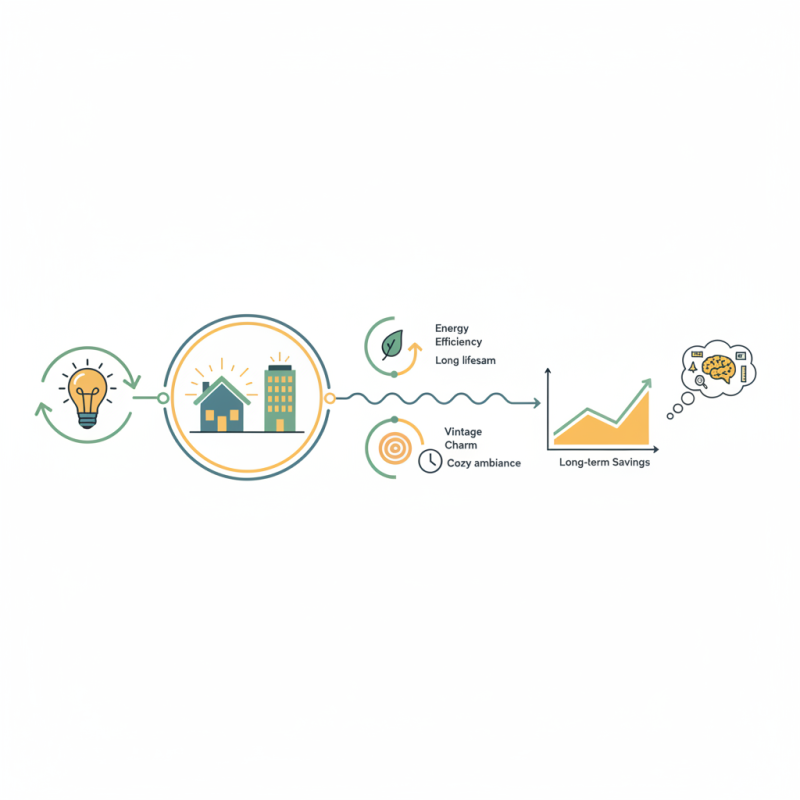
It's important to weigh the long-term savings against upfront investments. As these bulbs gain popularity, buyers should consider various factors. The best choice might not always be the most apparent one. While Led Filament Bulbs are widely recommended, clarity about your needs and lighting environment is essential. Finding the right fit takes reflection and awareness.
The Evolution of LED Filament Bulbs: A Brief History
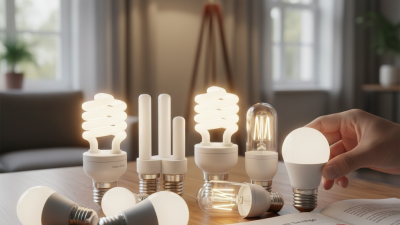
The evolution of LED filament bulbs marks a significant transition in lighting technology. These bulbs combine the nostalgic aesthetics of traditional incandescent designs with the energy efficiency of modern LED technology. Initially, incandescent bulbs reigned supreme, illuminating homes with their warm glow. However, concerns about energy consumption and longevity pushed innovators to seek better options.
As energy-efficient bulbs began to emerge, LED lighting quickly gained popularity. Early LED models often lacked the warm, inviting light of incandescents. This limitation hindered their adoption in residential settings. Designers addressed this issue by creating filament-style LEDs. These new designs mimic the appearance of classic bulbs while delivering substantial energy savings.
Despite the advancements, not all LED filament bulbs are created equal. Some may fall short in delivering the promised brightness or color quality. Consumers have occasionally reported variations in performance, leading to skepticism. Such discrepancies highlight the need for careful selection when choosing lighting solutions. Understanding how to evaluate bulb performance is essential for making informed decisions.
Key Features to Consider When Choosing LED Filament Bulbs
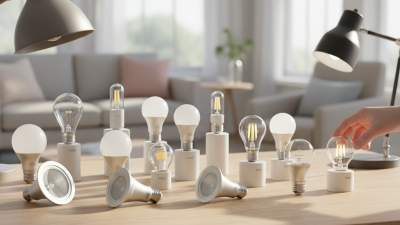
When choosing LED filament bulbs for your home or office, it’s essential to focus on key features. One major aspect is brightness, measured in lumens. A bulb with higher lumens will light up a larger space. Consider the color temperature as well. Warm white (around 2700K) creates a cozy atmosphere, while cool white (above 5000K) offers a more energetic feel.
Energy efficiency is another critical feature. LED bulbs consume less electricity than traditional bulbs, saving on energy bills. Look for a bulb with a high efficacy rating. This indicates it produces more light per watt of energy consumed. Pay attention to the bulb's lifespan. A longer-lasting bulb reduces the frequency of replacements.
**Tips:** Always check the dimming capability if you plan to use a dimmer switch. Compatibility is crucial; otherwise, it may cause flickering. When choosing a shape, consider the fixtures you will use. A bulb that fits your design enhances the overall look of your space. Remember to read reviews for reliability. Products with more user feedback often indicate a trustworthy option.
Comparison of Key Features in LED Filament Bulbs (2026)
This chart compares key features of LED filament bulbs important for home and office lighting solutions in 2026. It shows attributes such as lifespan, energy efficiency, color temperature, dimmability, and average price, helping consumers make informed choices.
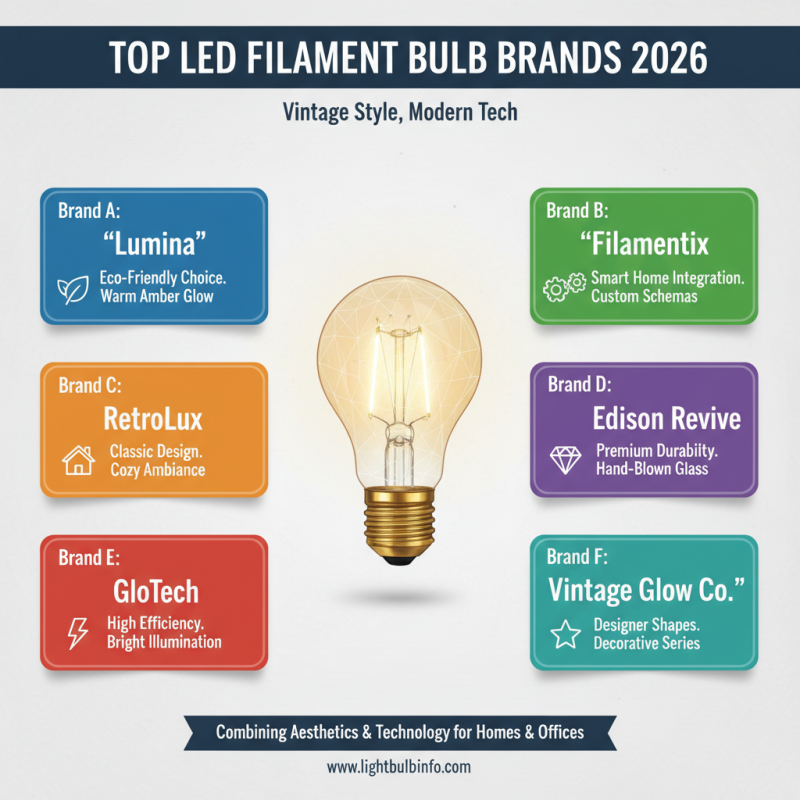
Top Brands for LED Filament Bulbs in 2026: A Comparative Overview
When it comes to LED filament bulbs, a variety of brands offer unique options in 2026. These bulbs combine vintage aesthetics with modern technology. Many consumers appreciate their warm glow. The design is reminiscent of classic incandescent bulbs, making them a popular choice for homes and offices.
In a comparative overview, several brands stand out for their reliability and performance. Customers often seek longevity and energy efficiency. Some brands emphasize eco-friendly materials, which appeals to environmentally conscious consumers. However, not all bulbs perform equally well. Some may flicker or have inconsistent brightness. It’s important to read user reviews and product specifications before making a decision.
While aesthetics matter, functionality is key. Bulbs that blend design with efficiency often receive higher ratings. Issues such as heat dissipation and light quality should also be considered. Choosing the right LED filament bulb requires careful thought and consideration of various factors. Being informed will lead to a better purchase, enhancing both home and office lighting solutions in 2026.
Energy Efficiency and Cost-Effectiveness of LED Filament Lighting
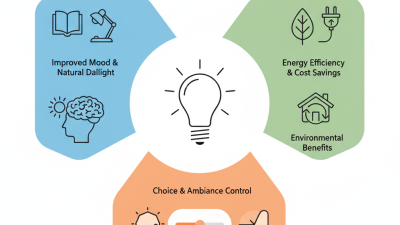
LED filament bulbs have transformed home and office lighting. Their energy efficiency stands out in today’s eco-conscious world. These bulbs use significantly less energy than traditional incandescent bulbs, which in turn lowers electric bills. Studies indicate that switching to LED could reduce lighting costs by up to 75%.
In addition, LED filament bulbs have a longer lifespan, often lasting over 15,000 hours. This reduces replacement frequency and waste. While the initial investment may be higher, the cumulative savings make them cost-effective. Moreover, they emit warm light similar to incandescent bulbs, enhancing the ambiance of any space.
Yet, not everyone is aware of the full benefits. Some people still prefer old lighting options. The learning curve for understanding energy ratings and bulb compatibility can be daunting. It's essential to educate consumers on these aspects to promote sustainable choices. In a rapidly changing lighting market, awareness is key to harnessing the potential of LED filament technology.
Design and Aesthetic Appeal of LED Filament Bulbs for Various Spaces
LED filament bulbs are becoming a popular choice for both home and office interiors. Their vintage aesthetic often blends well with various design styles. These bulbs mimic the look of traditional incandescent lights, appealing to those seeking warmth in their environments. The soft glow they provide can enhance the cozy atmosphere of living spaces, making them feel more inviting.
In offices, the right lighting is crucial. LED filament bulbs can create a more relaxed ambience while maintaining effective brightness. Introducing these bulbs into meeting rooms or lounge areas can inspire creativity and productivity. However, not all designs fit every space. It's essential to carefully consider the bulb's size, shape, and color temperature to ensure a cohesive look.
While many find LED filament bulbs aesthetically pleasing, some may struggle with their practicality. For instance, they may not be as energy-efficient as other LED options. This aspect can make it crucial to reflect on how much lighting is truly needed in a space. Balancing style with function is key. Experimenting with different bulb designs can lead to unexpected results, influencing overall decor positively or negatively.
2026 Best LED Filament Bulb for Home and Office Lighting Solutions
| Bulb Type |
Wattage |
Lumens |
Color Temperature (K) |
Lifespan (Hours) |
Aesthetic Appeal |
| Standard LED Filament |
6W |
800 lm |
2700K |
25000 |
Classic, Warm Glow |
| Vintage Style LED Filament |
4W |
400 lm |
2200K |
30000 |
Rustic, Nostalgic |
| Dimmable LED Filament |
8W |
900 lm |
3000K |
20000 |
Versatile, Adjustable Brightness |
| Clear Glass LED Filament |
10W |
1050 lm |
3000K |
25000 |
Modern, Sleek Design |
| Long Neck LED Filament |
7W |
800 lm |
2700K |
30000 |
Stylish, Decorative |