Why Choose Led Filament Bulb for Your Home Lighting Needs?
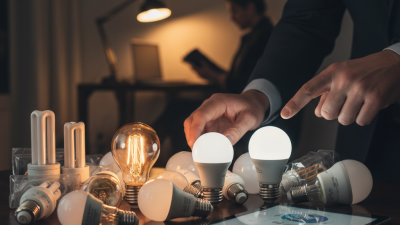
In recent years, the popularity of the LED filament bulb has surged, revolutionizing home lighting. According to a report from the U.S. Department of Energy, LED lighting can reduce energy consumption by at least 75% compared to traditional incandescent bulbs. This impressive energy efficiency is one reason why homeowners are opting for LED filament bulbs. They offer a vintage aesthetic with modern technology.
Additionally, LED filament bulbs boast an impressive lifespan of around 25,000 hours. This longevity can significantly reduce replacement costs over time. However, consumers should be aware that not all LED bulbs are created equal. Some may lack the warm glow that many desire for a cozy home environment.
Furthermore, the initial cost of LED filament bulbs can be higher than incandescent options. This aspect may deter some buyers. Despite these considerations, the long-term savings and environmental benefits make LED filament bulbs a smart choice for many households. Ultimately, understanding the trade-offs is essential for making an informed lighting decision.
Benefits of LED Filament Bulbs Over Traditional Lighting Solutions
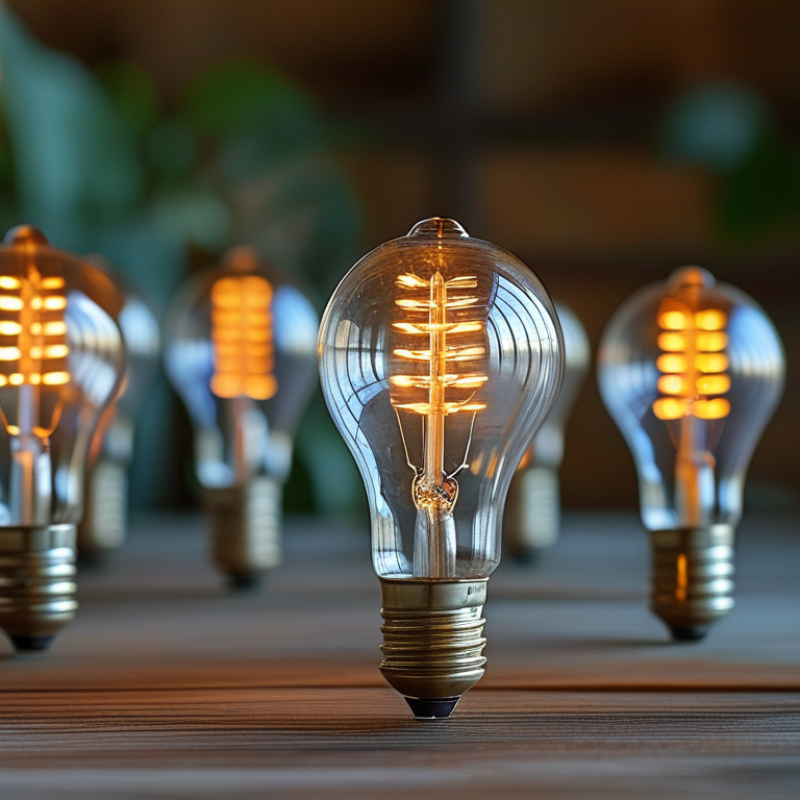
LED filament bulbs have gained popularity for many compelling reasons. They mimic the classic appearance of incandescent bulbs while offering advanced technology. These bulbs provide warm, inviting light that enhances the ambiance of any room. Their design features visible filaments, creating an aesthetic appeal reminiscent of vintage lighting.
Energy efficiency is a remarkable advantage of LED filament bulbs. They consume significantly less energy than traditional incandescent bulbs. This translates into lower electricity bills and reduced carbon footprints. Additionally, they have a longer lifespan, often lasting up to 25,000 hours. This longevity means fewer replacements and less waste over time.
However, it's essential to consider compatibility with existing fixtures. Some bulbs may not fit perfectly in every socket, creating a need for adjustments. While the upfront cost of LED filament bulbs can be higher, the long-term savings justify the investment. Reflecting on personal experiences, many consumers report satisfaction with their decision to switch lighting solutions. Yet, not everyone may realize the substantial benefits right away. It’s worth exploring these versatile bulbs in your lighting journey.
Energy Efficiency: Power Consumption Comparisons of LED vs. Incandescent
When considering home lighting, energy efficiency should be a top priority. LED filament bulbs offer significant advantages over traditional incandescent bulbs. According to the U.S. Department of Energy, LED bulbs consume about 75% less energy than incandescent ones. A typical incandescent bulb uses around 60 watts, while an LED equivalent uses just 8-12 watts. This drastic reduction in power consumption can lead to noticeable savings on your electricity bill.
Switching to LED filament bulbs isn't just about saving money; it's about sustainability too. LEDs have a lifespan of up to 25,000 hours, compared to only 1,000 hours for incandescent bulbs. This means fewer replacements and less waste in landfills. However, potential users should consider the initial cost, which can be higher for LEDs. Over time, the savings on energy bills often make up for this investment.
**Tip:** When upgrading your lights, calculate the potential savings over time. Factor in both energy costs and the lifespan of the bulbs.
Another aspect to consider is light quality. While incandescent bulbs emit a warm glow, LEDs now offer a range of color temperatures, making it easy to find one that suits your space. Yet, some may find the light from LEDs appears harsher at first. Experimenting with different wattages and shades can help find the perfect fit for your home.
**Tip:** Test various LED options in your favorite spaces before making a final purchase decision. Finding the right balance of brightness and warmth is key.
Power Consumption Comparisons of LED vs. Incandescent Bulbs
This chart compares the average wattage consumption of LED filament bulbs versus traditional incandescent bulbs, showcasing the significant energy efficiency benefits of using LED lighting in your home.
Lifespan Analysis: How Long Do LED Filament Bulbs Last?
When considering the lifespan of LED filament bulbs, data shows they have a significant advantage. Typically, these bulbs last between 15,000 to 30,000 hours. In contrast, traditional incandescent bulbs generally last only about 1,000 hours. According to a report by the Department of Energy, switching to LED can reduce energy use by up to 75%. This longevity represents a major benefit for homeowners seeking both efficiency and durability in lighting solutions.
One must consider that the lifespan of LED filament bulbs can be affected by factors like temperature and the quality of the electrical supply. Excess heat can diminish their lifespan significantly. Additionally, LED technology continues to evolve, with newer models offering improved energy efficiency and durability. However, despite the advances, not every LED bulb meets high standards. Some may fail to deliver promised longevity and quality. Hence, it is crucial for consumers to conduct their research and select products backed by reliable certifications and testing.
With the right choice, LED filament bulbs can offer a perfect blend of aesthetics and utility. They provide that charming vintage look while saving on energy costs. However, if longevity is the primary factor, consumers should take care to assess specific products for their reliability. Understanding manufacturer claims and looking for evidence of performance can guide better purchasing decisions. The journey to effective home lighting is as important as the products you choose.
Why Choose Led Filament Bulb for Your Home Lighting Needs? - Lifespan Analysis: How Long Do LED Filament Bulbs Last?
| Parameter |
Standard LED Filament Bulb |
Traditional Incandescent Bulb |
| Lifespan (Hours) |
15,000 - 30,000 |
1,000 - 2,000 |
| Energy Consumption (Watt) |
4 - 10 |
40 - 100 |
| Lumens per Watt |
80 - 100 |
10 - 17 |
| Color Temperature (Kelvin) |
2200 - 3000 |
2700 - 3000 |
| Dimmable |
Yes |
Limited |
Design Versatility: Aesthetic Appeal of LED Filament Bulbs in Home Décor
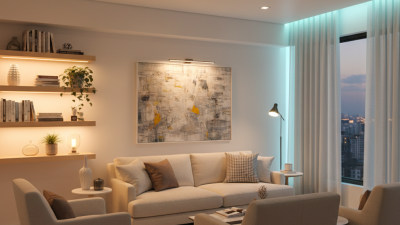
LED filament bulbs have emerged as a popular choice in home lighting. Their retro-inspired design brings a unique charm to modern interiors. The warm glow they emit can create a cozy atmosphere in living rooms and dining spaces. This aesthetic appeal complements a variety of décor styles, from industrial to vintage.
Beyond their visual attractiveness, LED filament bulbs offer practical advantages. They consume less energy than traditional incandescent bulbs. This means lower electricity bills and a smaller carbon footprint. Many homeowners appreciate this blend of style and sustainability. However, it’s essential to consider that not all LED bulbs are created equal. Some may not dim smoothly, and others can have color inconsistencies.
The design versatility of LED filament bulbs is truly striking. They can be used in pendant lights, chandeliers, or even simple table lamps. This flexibility allows homeowners to express their individuality through lighting choices. The challenge is in finding the right combination for your space. Experimenting with different fixtures can lead to surprising results. Embracing this trial and error process can ultimately refine your home’s ambiance.
Environmental Impact: Reducing Carbon Footprint with LED Lighting Choices
LED filament bulbs are gaining popularity for home lighting needs. Their environmental benefits are noteworthy, especially in reducing carbon footprints. These bulbs use less energy compared to traditional incandescent options. This efficiency leads to lower electricity demand, which can reduce greenhouse gas emissions.
Switching to LED lighting makes a real difference. Studies show that if everyone made the switch, the reduction in carbon emissions would be significant. However, not all LED bulbs are created equal. Some may contain materials that are harmful to the environment. It's essential to choose options that prioritize eco-friendliness.
While LED bulbs last much longer than traditional bulbs, their production process requires a substantial amount of resources. Reflecting on this, consumers should consider their choices carefully. By selecting high-quality, sustainable LED products, we can collectively minimize our environmental impact. Small actions can lead to big changes over time.