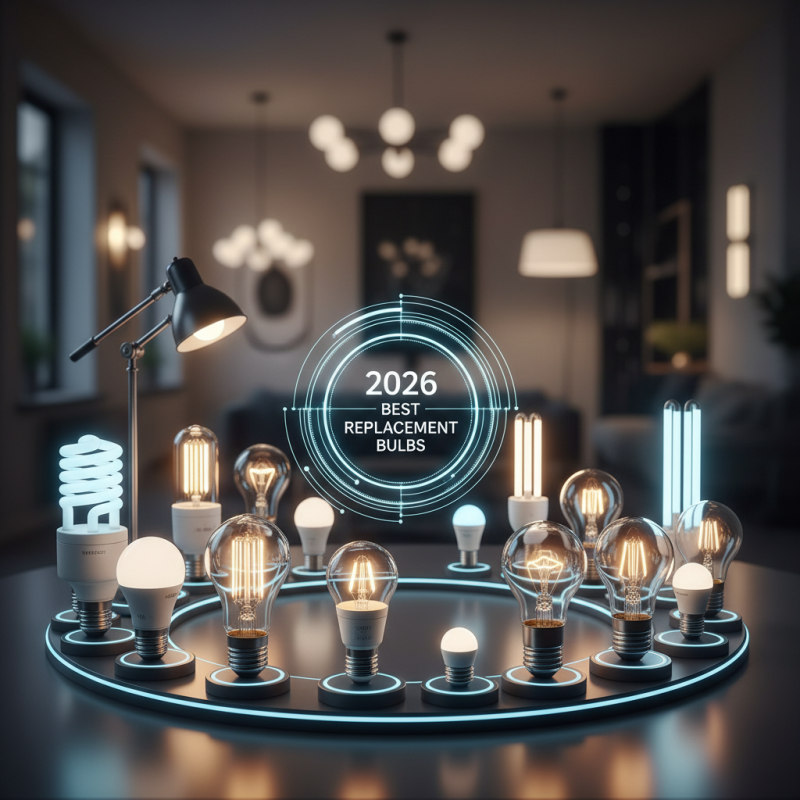
2026 Best Replacement Bulbs for Every Lighting Need?
Finding the right replacement bulbs can significantly enhance your home’s lighting. In 2026, numerous options are available. Choosing the best one might feel overwhelming. Each type serves a different purpose, from ambiance to task lighting.
Replacement bulbs vary in size, shape, and brightness. LED options provide energy efficiency. Incandescent bulbs offer a warm glow. Fluorescent lights are great for workspaces. It’s essential to consider the space and lighting needs before making a decision.
Not every bulb suits every fixture. Misleading packaging can lead to confusion. Research becomes crucial. Reviews from other customers and expert recommendations help. Your choice impacts both the environment and your electricity bill. Consider longevity and cost-effectiveness when selecting replacement bulbs.
What to Consider When Choosing Replacement Bulbs for Different Fixtures
When choosing replacement bulbs, different factors affect your decision. Consider the type of fixture you have. Ceiling fixtures often require different bulbs than lamps or wall sconces. The shape and base of the bulb matter too. Look for compatibility with your existing fixtures to avoid frustration.
Another critical factor is brightness. Measured in lumens, brightness varies widely across options. A higher lumens count means more light but can impact your electric bill. Choose a level that suits your needs. Warm lights create a cozy atmosphere, while cool lights are ideal for task areas.
Finally, energy efficiency is key. LED bulbs use significantly less energy compared to traditional incandescent bulbs. This choice impacts both the environment and your wallet. Explore your options to make an informed decision. Each choice influences the ambiance of your space in various ways. There are nuances in light quality and color temperature to consider carefully. These elements can define the feel of your home.
Types of Bulbs: Incandescent, LED, CFL, and Halogen Explained
When considering the best replacement bulbs for your needs, understanding the types available is essential. There are four main types of bulbs: incandescent, LED, CFL, and halogen. Each has its unique features and benefits.
Incandescent bulbs are the traditional option. They provide warm light but are energy-inefficient. Most of their energy converts to heat rather than light. This contributes to higher energy bills over time. They do, however, offer excellent color rendering. If you seek warmth and color accuracy, incandescent may still hold value.
LED bulbs have gained popularity. They consume less energy and have a longer lifespan than incandescent options. These bulbs produce less heat, making them safer for enclosed fixtures. They are also available in various colors and intensities, enhancing your decor. However, the initial cost can be higher.
CFLs are compact fluorescent lights. They are more energy-efficient than incandescent bulbs but less so than LEDs. They take time to warm up, which can be inconvenient. Halogen bulbs offer bright light and are often more efficient than standard incandescent bulbs. They, too, produce heat, so caution is needed.
Tips: When choosing bulbs, consider where you'll use them. High traffic areas may benefit from LEDs. For accent lighting, halogen could be your choice. Also, test out different types to find what suits your space best. Missteps can happen; if you try a bulb and it doesn’t work in your fixture, re-evaluate compatibility.
Pay attention to your lighting needs. Each type serves a specific purpose. Energy costs, brightness levels, and even aesthetics matter. Reflect on what works best in your environment before making a decision.
Optimal Brightness and Color Temperature for Various Environments
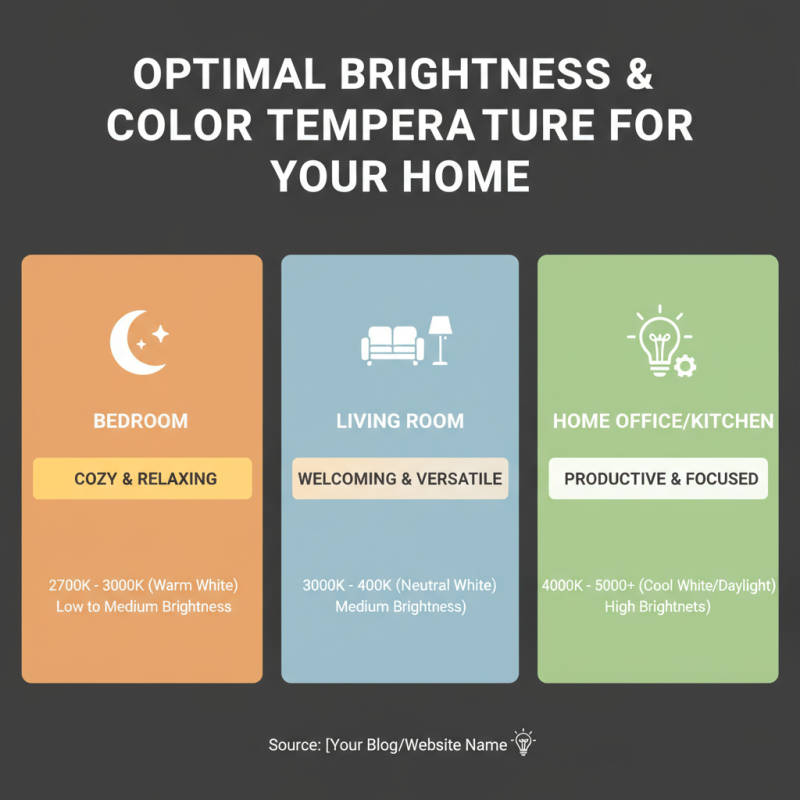
Choosing the right replacement bulbs can significantly impact your living environment. Different settings require different levels of brightness and color temperatures. For example, warm light often creates a cozy atmosphere in bedrooms. This light typically ranges from 2700K to 3000K. It enhances relaxation and is ideal for rest.
In contrast, cool white light, around 4000K to 5000K, is great for kitchens and workspaces. It promotes alertness and focus, making it easier to complete tasks. However, some may find it too harsh for personal spaces. A careful balance is crucial when selecting bulbs.
Lastly, daylight bulbs, around 5000K to 6500K, mimic natural sunlight. These are excellent for art studios and areas needing precise color rendition. However, they might not suit every preference. Experimenting with various types can help find what truly fits your needs. Adjusting light can dramatically change a room’s vibe. Explore differences, reflect on what works.
Energy Efficiency Ratings: Understanding Lumens and Watts for Selection
When selecting replacement bulbs, understanding energy efficiency is crucial. Lumens measure brightness, while watts indicate power consumption. An efficient bulb provides more lumens for fewer watts. For example, a standard 60-watt incandescent bulb delivers about 800 lumens. In contrast, LED options can produce the same brightness using just 8-12 watts. This efficiency can save consumers significant energy costs over time.
According to the U.S. Department of Energy, LEDs use at least 75% less energy than incandescent bulbs. The average lifespan of an LED bulb ranges around 25,000 hours, while incandescents last only about 1,000 hours. This longevity contributes to less frequent replacements, reducing waste and cost.
However, it’s important to note that not all bulbs have the same quality. Some lower-cost options might not deliver brightness consistently. Consumers should pay attention to manufacturer specifications. Reading customer reviews can also help gauge performance. Lumens and watts are essential metrics, but overall bulb quality can vary, making informed choices vital in achieving energy efficiency.
Top Recommendations for Specialty Bulbs: Outdoor, Decorative, and More
When selecting specialty bulbs for your lighting needs, it is crucial to consider the specific applications. Outdoor lighting, for example, requires durability against environmental factors. According to the Lighting Research Center, outdoor LED bulbs have increased by 30% in efficiency over traditional options. This advancement means not only lower energy bills but also extended lifespan—often up to 25,000 hours.
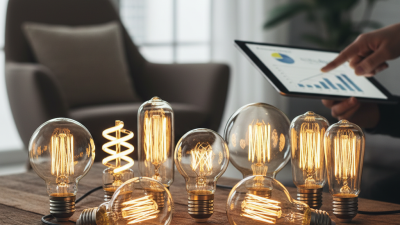
Decorative bulbs also play a significant role in enhancing aesthetics. Whether it's vintage-style Edison bulbs or modern globe designs, their impact is clear. The Specialty Lighting Market Report highlights that 45% of consumers prioritize style over function when choosing decorative lighting. However, consumers should remain cautious; not all visually appealing bulbs meet performance standards. It's crucial to verify that decorative options provide adequate illumination while maintaining energy efficiency.
In addition, the need for specialized bulbs in commercial settings cannot be overlooked. Task lighting in offices often demands higher lumen output. A report from the Illuminating Engineering Society states that efficient task lighting can reduce fatigue by nearly 25%. Yet, many workplaces still overlook this aspect, settling for inadequate solutions. Understanding these nuanced needs is essential for making informed decisions in lighting.
2026 Best Replacement Bulbs for Every Lighting Need