Best White Light Bulbs for Global Buyers in 2026?
In the fast-evolving world of lighting, "White Light Bulbs" play a crucial role in both commercial and residential spaces. Industry expert Dr. Emily Thompson emphasizes, "A great white light bulb combines energy efficiency with brightness and color accuracy." As we approach 2026, the demand for high-quality white light bulbs is surging globally.
Consumers are becoming more discerning, seeking bulbs that reduce energy costs while enhancing the quality of light in their environments. The variety is staggering, from LED options to smart bulbs that integrate with home technology. However, not all options are created equal, leading to confusion among buyers.
In this landscape, it is essential to distinguish between stylish design and reliable functionality. Buyers often encounter pitfalls, such as bulbs that promise innovation but fail to deliver on longevity or brightness. As we explore the best options available, we aim to guide consumers in making informed decisions that elevate their spaces without compromising on quality.

Characteristics of High-Quality White Light Bulbs for Global Markets
When considering high-quality white light bulbs for global markets, several key characteristics ensure performance and durability. Lumens per watt (lm/W) is a critical measure of efficiency. The best bulbs offer at least 80 lm/W, indicating strong brightness without excessive energy usage. Many industry reports show that consumers increasingly prioritize energy savings, pushing manufacturers to improve efficiency ratings continuously.
Color temperature is vital. Bulbs should fall between 2700K and 3000K for warm white light, and 4000K to 5000K for a cooler ambiance. These ranges cater to different needs, from cozy home environments to professional settings. An emerging trend reveals a growing preference for tunable white bulbs, which allow users to adjust color temperatures based on their activities or moods.
**Tip:** Always check the Color Rendering Index (CRI) rating. A CRI above 80 ensures that colors appear more natural. Users often overlook this detail, but it enhances visual comfort significantly.
**Tip:** Look for bulbs with a long lifespan, ideally over 25,000 hours. Longer-lasting bulbs reduce waste and maintenance costs, which is especially beneficial for businesses.
Though LED technology is improving, some may struggle with color consistency. The issue is that not all manufacturers adhere to stringent quality testing. Make informed choices based on credible sources and user reviews.
Top Brands Leading the White Light Bulb Industry in 2026
In the evolving landscape of white light bulbs for 2026, numerous brands are steering the industry. Recent market analyses show a significant trend towards energy-efficient LED solutions. By 2025, it's projected that LEDs will hold over 70% of the global market share. This preference stems from their longevity and lower energy consumption.
Market leaders are consistently innovating their product lines. Experts suggest that brands focusing on dimmability and color temperature adjustments will gain a stronger foothold. Notably, studies indicate that lighting quality can influence mood and productivity by up to 30%. Such statistics stress the importance of choosing the right lighting solutions for consumers.
Yet, challenges persist. Many brands struggle with supply chain disruptions, leading to inconsistent availability. Additionally, consumer awareness about energy-saving technologies remains uneven across different regions. As brands navigate these hurdles, their ability to adapt will determine future successes. Thoughtful marketing strategies that highlight the benefits of advanced lighting technology are essential for capturing consumer interest.
Energy Efficiency Standards for White Light Bulbs and Their Impact
Energy efficiency standards for white light bulbs are becoming stricter worldwide. These regulations are designed to reduce energy consumption and minimize environmental impact. Buyers should be aware of these changes. Some bulbs may be phased out as standards shift. This can lead to confusion among consumers.
Understanding the implications of these standards is crucial. Energy-efficient bulbs often have a higher upfront cost. However, they save money over time through lower electricity bills. It's important to calculate the long-term savings versus initial investment. Many consumers overlook this aspect, focusing only on the purchase price.
When selecting white light bulbs, consider lumens per watt. This metric indicates brightness relative to energy used. Additionally, check the lifespan claims. Some bulbs promise longer life yet fall short in reality. Researching consumer reviews can help provide insights. Balancing efficiency, cost, and quality can be complex, but it leads to better purchasing decisions. The evolution of lighting technology presents challenges and opportunities for consumers.
Consumer Preferences and Trends in White Light Bulb Purchases
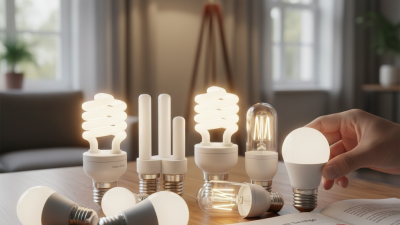
As we approach 2026, consumer preferences for white light bulbs are evolving. According to a recent industry report by the International Energy Agency (IEA), approximately 75% of global consumers prioritize energy efficiency in their lighting choices. This trend has been significantly influenced by a growing awareness of sustainability. Interestingly, while LEDs dominate the market, there is still a segment that favors traditional incandescent bulbs for their warm glow.
In contrast, younger consumers are leaning towards smart lighting options. A study by the Lighting Research Center noted that smart bulb adoption is expected to rise by 50% in the next few years. This shift indicates a desire for both energy efficiency and technological integration. However, many consumers are still confused about which features to prioritize in their purchases.
**Tip:** Consider your specific lighting needs before choosing. Evaluate the brightness and color temperature that best suits your space.
While consumer awareness improves, some still overlook important details like lumens and watts. Awareness plays a critical role in making informed choices. It’s essential to reflect on how personal preferences align with sustainable choices.
**Tip:** Don’t rush your purchase. Take time to research and read reviews. Understanding the difference between bulb types can enhance your satisfaction.
Best White Light Bulbs for Global Buyers in 2026
Innovative Technologies Shaping the Future of White Light Bulbs
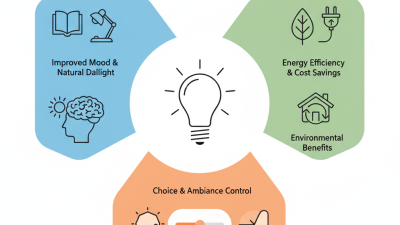
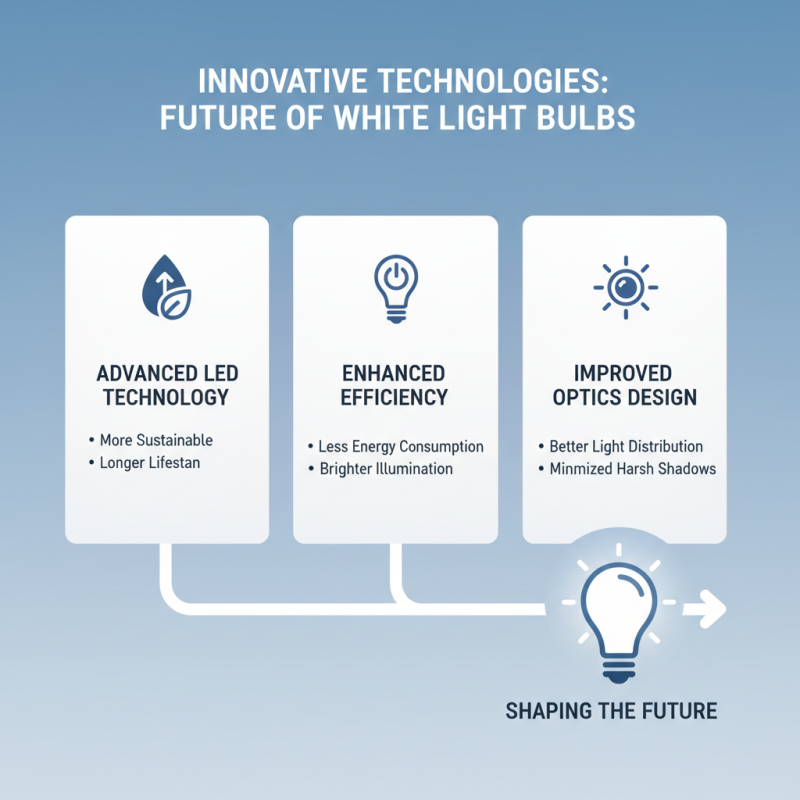
The future of white light bulbs is being shaped by innovative technologies that promise both efficiency and quality. Advances in LED technology are at the forefront, making lighting more sustainable than ever. These new bulbs use significantly less energy and have longer lifespans compared to traditional incandescent options. They provide brighter illumination while consuming a fraction of the electricity. The design of optics has also improved, enhancing light distribution and minimizing harsh shadows.
Smart lighting systems are gaining traction in homes and businesses. These systems allow users to control lighting via smartphones or voice commands. Users can adjust brightness and color temperature to meet specific needs or moods. Such flexibility fosters a personalized lighting experience that wasn't possible with older technology. However, challenges remain in terms of compatibility and the integration of these smart systems within existing frameworks.
There is also a growing focus on light quality. Research suggests that the type of light can impact human well-being and productivity. Some studies indicate that certain spectrums of white light can enhance concentration and mood. Yet, as these technologies evolve, it’s crucial to consider their environmental impacts. Balancing innovation with sustainability remains a pressing issue. The journey toward optimal white lighting solutions continues to reveal both exciting possibilities and areas in need of reflection.