How to Choose the Best 2 Pin Led Light Bulb for Your Needs?
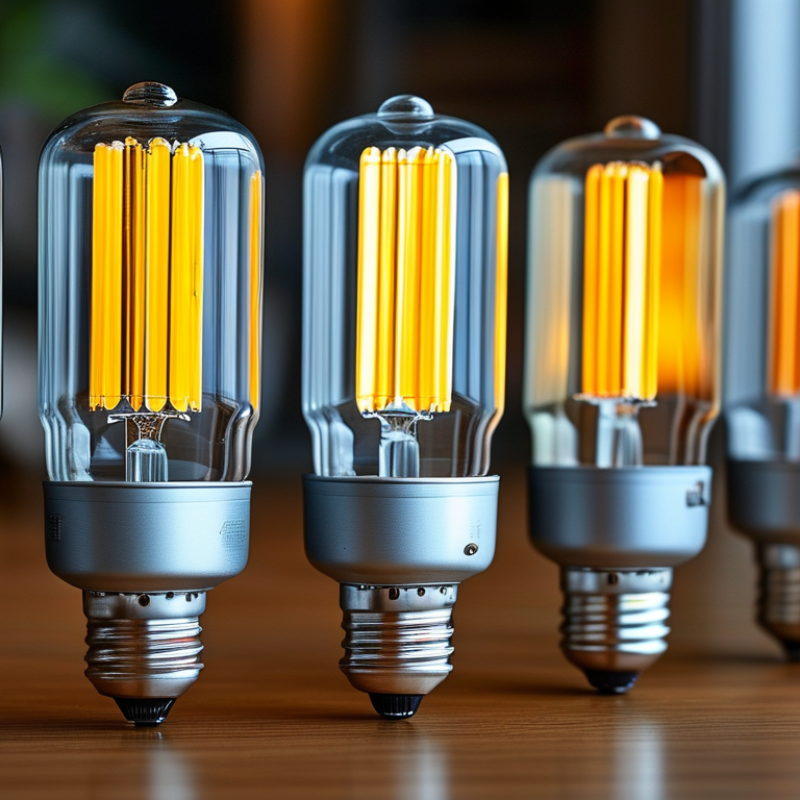
Choosing the right 2 Pin Led Light Bulb can transform your space. It is essential to understand the unique attributes of these bulbs. They are energy-efficient and durable. However, not all bulbs are created equal.
When selecting a 2 Pin Led Light Bulb, consider the brightness you need. This varies based on room size and function. Color temperature is also crucial; it affects mood and ambiance. A cooler light may be ideal for workspaces, while warmer tones suit living areas.
You might feel overwhelmed by the options available. Mismatching a bulb to your fixture can lead to unsatisfactory results. Take your time to research. Reading customer reviews can provide insights. Additionally, consulting professionals can further enhance your choice. A thoughtful approach ensures your 2 Pin Led Light Bulb meets your specific needs effectively.
Understanding the Basics of 2 Pin LED Light Bulbs
When choosing 2 pin LED light bulbs, understanding their types is essential. These bulbs are favored for their
energy efficiency. According to the U.S. Department of Energy, LEDs consume up to
75% less energy than traditional incandescent bulbs, significantly lowering electricity bills. Their lifespan
averages around 25,000 hours, which is another advantage.
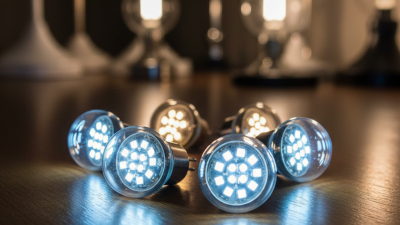
There are various types, including GU10 and G4. GU10 bulbs often power display lighting,
while G4 bulbs find application in decorative fixtures. Each type has its own specifications. Understanding the wattage
and lumens is crucial. A bulb's wattage reflects energy consumption, while
lumens indicate brightness.
Tip: Verify compatibility with existing fixtures to avoid dim lighting or flickering.
Not all bulbs are equal. Color temperature affects mood. Warmer light creates a cozy
atmosphere, while cooler tones are energizing. Research shows that warmer lights contribute to relaxation, which is
vital in bedrooms.
Tip: When in doubt, consider a dimmable option for versatility.
Flaws in product quality also exist. Some bulbs may flicker or burn out prematurely, leading to inconveniences. Reading
user reviews can provide insight into reliability.
Identifying Your Lighting Needs and Preferences
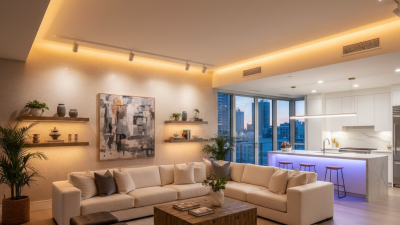
When selecting the best 2-pin LED light bulb, it’s crucial to assess your lighting needs and preferences. Consider the space where the bulb will be used. Is it a cozy living room, a workspace, or a bathroom? Each area has its own requirements. A warm light may create a comfortable atmosphere, while a cooler tone is more suitable for focused tasks.
Think about the brightness level you need. Bulbs come in various lumens, translating to different intensities. Low-light settings require fewer lumens, while bright environments often need higher outputs. Don't overlook the effect of color temperature. A soft white hue may be perfect for relaxation areas, while daylight brightness can boost productivity.
Reflect on the dimming capability too. Not all bulbs offer this feature. If versatility is key, seek bulbs compatible with dimmer switches. Your choices should align with your lifestyle and habits. Remember, not every bulb will meet your expectations perfectly. You may need to experiment with different types. It’s a journey of finding what truly suits your needs.
Evaluating Key Features of 2 Pin LED Light Bulbs
When choosing the best 2 pin LED light bulbs, key features should guide your decision. Start with brightness. Measured in lumens, this indicates how much light the bulb produces. A higher lumen rating means brighter light. Consider the color temperature too. Warm white offers a cozy atmosphere, while cool white delivers a bright, energizing light.
Tips: Check the bulb's energy efficiency. Look for bulbs that use less wattage but provide the same brightness. This can lead to savings on your electricity bill.
Another important feature is lifespan. Most LED bulbs last significantly longer than traditional bulbs. A longer lifespan means less frequent replacements. Finally, consider dimmable options if you need adjustable lighting. Make sure your fixtures support this feature.
Tips: Read user reviews to gauge real-world performance. This can uncover insights that specifications may not reveal. Always remember that what works for one may not work for all. It's essential to evaluate your specific environment and needs before making a choice.
Comparison of Key Features in 2 Pin LED Light Bulbs
Comparing Different Brands and Models
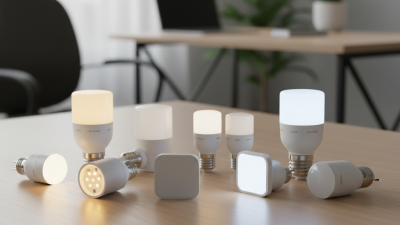
When selecting a 2 pin LED light bulb, consider the wide range of available brands and models. Each offers unique features and specifications. Some bulbs focus on energy efficiency, while others prioritize brightness and color temperature. Your choice should reflect your specific needs.
Look at the lumens rating for brightness. Many people overlook this detail but it matters. A bulb with a higher lumen count provides brighter light. However, it may consume more energy. Balance is key. Don’t just aim for maximum brightness; consider the ambiance you wish to create.
Check the color temperature as well. Bulbs typically range from warm to cool light. Warm light offers a cozy feel, ideal for living areas. Cool light is brighter and better for workspaces. Think about the room and its function. You might prefer warm light in the bedroom, while cool light suits the kitchen. Each model can deliver different qualities, so examining these factors will lead to a more satisfying choice.
Tips for Installation and Maintenance of LED Bulbs
LED bulbs are an excellent choice for energy efficiency and longevity. However, proper installation and maintenance are crucial to maximize their benefits. To ensure optimal performance, always follow the manufacturer’s guidelines during installation. This includes ensuring the fitting is clean and free of debris, as residue can interfere with electrical contacts. A report from the U.S. Department of Energy indicates that improper installation may lead to a 15% decrease in energy efficiency.
Regular maintenance is essential for LED bulbs. Periodically check for any flickering or dimming. These can be signs of compatibility issues or other electrical problems. Research shows that up to 40% of LED failures are related to poor electrical connections. In addition, dust can accumulate on bulbs, affecting light output. A simple clean with a damp cloth can enhance brightness. Remember, avoiding harsh chemicals is key; they can damage the bulb's surface.
Using dimmers can also extend the lifespan of your LED bulbs. They help manage power usage effectively. However, not all LEDs are dimmer-compatible, so check compatibility beforehand. An industry report suggests that bulbs with a dimming feature can last 25% longer than those used at full brightness. Addressing these factors will significantly improve both performance and reliability of your LED lighting system.
How to Choose the Best 2 Pin Led Light Bulb for Your Needs? - Tips for Installation and Maintenance of LED Bulbs
| Attribute |
Description |
Considerations |
| Wattage |
Power consumption of the bulb |
Choose based on the brightness needed |
| Lumens |
Measure of brightness |
Higher lumens signify brighter light |
| Color Temperature |
Hue of the light (warm to cool) |
Choose based on the ambiance desired |
| Lifespan |
Expected operational duration of the bulb |
Longer lifespan reduces replacement frequency |
| Dimmability |
Ability to adjust brightness levels |
Compatible with dimmer switches if needed |
| Base Type |
Type of attachment for fitting |
Ensure compatibility with existing fixtures |