Why Choose White Light Bulbs for Your Home Lighting Needs?
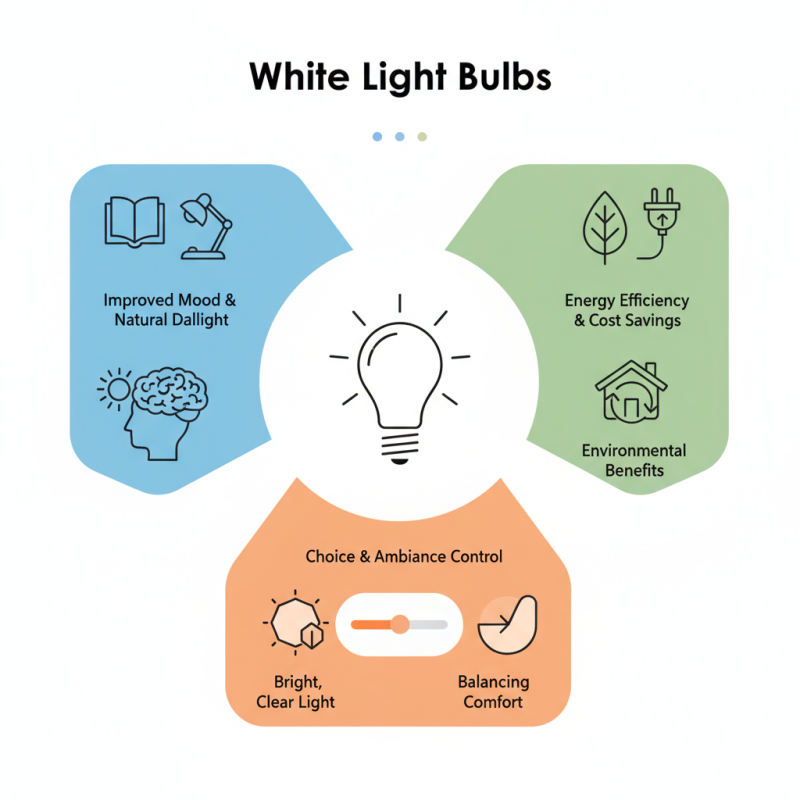
Choosing the right lighting for your home is essential. White light bulbs are gaining popularity for several reasons. They provide bright, clear light that enhances visibility in any room. This makes them ideal for reading or working.
Moreover, white light bulbs create a vibrant atmosphere. They mimic natural daylight, which can improve your mood. However, not everyone appreciates the starkness. Some find it too harsh or clinical. Balancing brightness with comfort is crucial in your selection.
Additionally, considering energy efficiency is important. White light bulbs, especially LEDs, consume less power. This not only reduces your electricity bill but also benefits the environment. It's a choice worth reflecting on, as lighting can significantly impact your home’s ambiance.
Benefits of White Light Bulbs in Home Lighting
When it comes to home lighting, white light bulbs are often the best choice. They create a bright and inviting atmosphere. Studies show that white light improves visibility and enhances color perception. According to the U.S. Department of Energy, LED white light bulbs can use up to 75% less energy than traditional bulbs. This reduction in energy consumption is not just good for your wallet; it also benefits the environment.
White light offers several advantages beyond energy efficiency. It’s essential for areas like kitchens and offices, where clarity is crucial. The right lighting can boost productivity and even elevate moods. A report by the American Society of Interior Designers indicates that proper lighting can impact emotional wellbeing significantly. However, there are some drawbacks too. Overly harsh white lighting can lead to discomfort and eyestrain. Striking a balance is vital for creating a pleasant space.
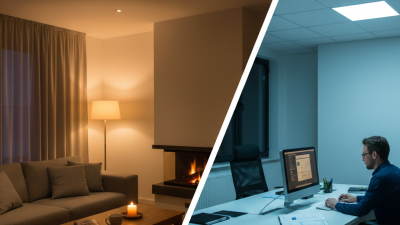
Incorporating white light bulbs provides more than just illumination. They can enhance the aesthetic appeal of your home. Warm white tones can create coziness in living areas, while cool whites promote alertness in workspaces. However, some may feel that white light lacks warmth. It’s worthwhile to experiment and find the right shades for your specific needs.
Benefits of White Light Bulbs in Home Lighting
Comparison of White Light Bulbs and Other Color Temperatures
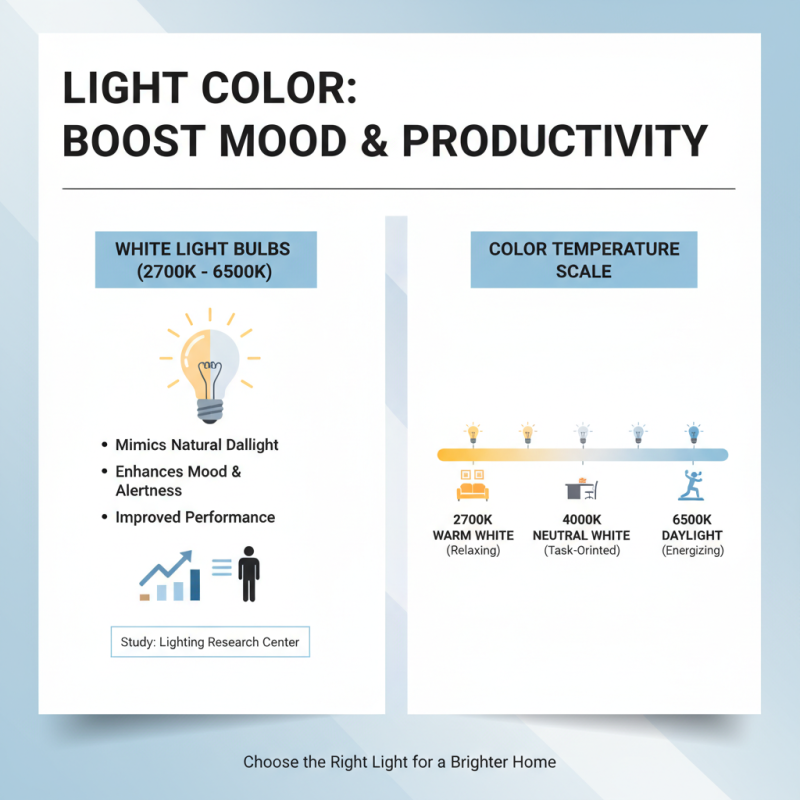
When it comes to home lighting, the choice of color temperature is crucial. White light bulbs, typically ranging from 2700K to 6500K, provide various benefits. They mimic natural daylight, which can enhance mood and productivity. A study by the Lighting Research Center indicates that light color significantly impacts human performance and alertness.
In comparison, warmer bulbs, around 3000K, can create a cozy atmosphere. However, they may not be as effective for tasks that require focus. Cooler bulbs, like those at 5000K, are bright and energetic but can feel harsh in domestic settings. Research shows that overexposure to cooler temperatures can lead to eye strain and discomfort.
White light bulbs strike a balance. They offer flexibility for different areas in a home. For example, kitchens benefit from bright white light for food preparation, while living rooms can use softer white tones for relaxation. Yet, choosing the right bulb involves understanding personal preference and the specific use of each room. Experimenting with different color temperatures can lead to better lighting decisions.
Energy Efficiency and Cost Savings of White Light Bulbs
White light bulbs have become increasingly popular in homes. Their energy efficiency benefits are significant. According to the U.S. Department of Energy, LED bulbs use at least 75% less energy than incandescent bulbs. This reduction in energy use translates to lower electricity bills. In fact, the average household can save around $225 annually by making the switch to LED technology.
The lifespan of white light bulbs also contributes to cost savings. Many LED bulbs can last over 25,000 hours. In comparison, incandescent bulbs typically last only about 1,000 hours. This longevity means fewer replacements, reducing the need for continuous purchases. However, some may wonder if the higher upfront costs are justified. Investing in energy-efficient lighting can seem daunting at first. Over time, the savings often outweigh the initial expense.
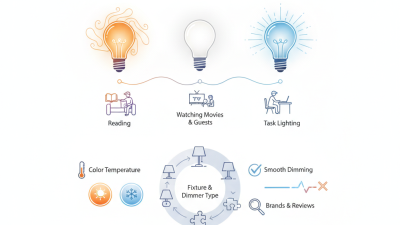
Choosing white light bulbs can also create a brighter living space. They offer a crisp and clean light that enhances visibility. Some users, however, may feel overwhelmed by the variety of options on the market. It's essential to consider factors such as wattage, color temperature, and intensity. Each choice impacts both ambiance and energy consumption. Ultimately, homeowners must weigh their priorities when selecting lighting solutions.
Why Choose White Light Bulbs for Your Home Lighting Needs?
| Feature |
Advantages |
Estimated Annual Savings |
Lifespan (Hours) |
| Energy Efficiency |
Use less energy compared to incandescent bulbs |
$50 - $100 |
15,000 - 25,000 |
| Brightness |
Provides clear and bright lighting |
$40 - $80 |
15,000 - 25,000 |
| Cost Effectiveness |
Lower energy bills lead to savings |
$30 - $60 |
15,000 - 25,000 |
| Heat Emission |
Emit less heat, improving home comfort |
$20 - $50 |
15,000 - 25,000 |
| Variety |
Available in various color temperatures |
Varies |
15,000 - 25,000 |
Ideal Settings for Using White Light Bulbs in Your Home
White light bulbs are versatile and can suit various areas of your home. They are particularly effective in spaces where clarity and focus are needed. Consider using them in your home office. The bright light helps to reduce eye strain and boosts productivity. It creates a clean, well-lit environment that encourages work and creativity.
In kitchens and bathrooms, white light bulbs shine best. These areas require bright illumination for both safety and functionality. Clean tasks like chopping vegetables or applying makeup benefit from this type of lighting. However, be aware of over-brightness. It can create harsh shadows or make a space feel sterile. Adjustments, like dimmer switches, can help balance the intensity.
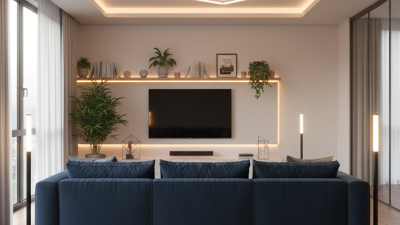
Living rooms can also benefit from a touch of white light. Mixing it with softer hues creates an inviting atmosphere. Yet, too much white light might make the room feel unwelcoming. Experiment with lamp placements or light sources to find the right combination. Remember, lighting sets the mood, so it's worth taking the time to get it right.
Maintenance and Longevity of White Light Bulbs
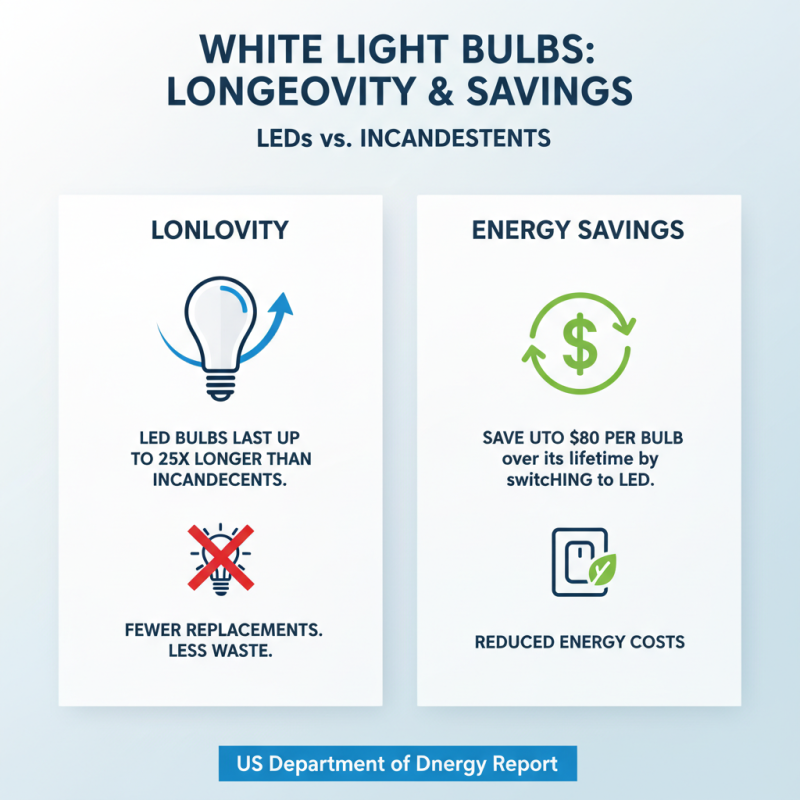
White light bulbs are a popular choice in homes for various reasons, particularly their maintenance and longevity. According to a report by the U.S. Department of Energy, LED bulbs, which typically emit white light, last up to 25 times longer than traditional incandescent bulbs. This longevity means less frequent replacements, reducing not only inconvenience but also waste. In fact, replacing an incandescent bulb with an LED can save up to $80 in energy costs over the bulb's lifetime.
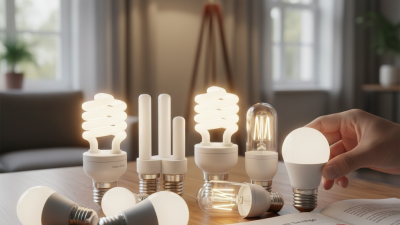
Maintenance for white light bulbs is generally low. LED and CFL options do not require much care beyond typical dusting. They operate at lower temperatures, reducing the risk of burns or fire hazards. However, not all bulbs perform equally. Some LEDs can flicker or become less bright over time. This inconsistency affects their perceived value. Additionally, while LEDs present a longer lifespan, their initial cost can be higher compared to incandescent bulbs.
Consumer surveys show that many users appreciate the clarity and brightness of white light. However, there are instances where the color temperature may appear too harsh. Finding the right tone can become a trial-and-error process. Developing an understanding of your specific lighting needs and environment is crucial. Balancing longevity with the right aesthetic requires careful thought and occasional adjustments.