Leave Your Message
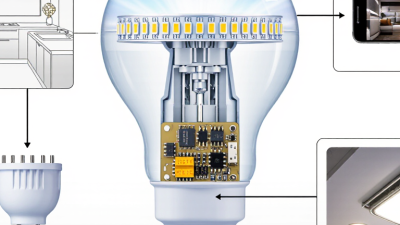
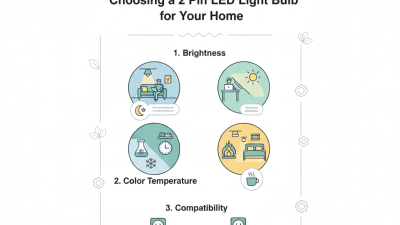
Choosing the right 2 Pin Led Light Bulb starts with identifying the fitting, not the appearance. Many bulbs look identical in online photos. Their pins may differ in spacing, base shape, voltage, and operating purpose. A G4 capsule, for example, is not automatically interchangeable with a GY6.35 lamp. The difference can affect contact, heat, and safety. Measure the existing socket. Check the marking on the old lamp, fixture, or transformer before ordering. This small step prevents a frustrating return and possible fitting damage. I once trusted a product photo and ignored the pin spacing. It was a simple mistake, but an avoidable one. Brightness alone also causes poor choices. A warm 2700K lamp can feel comfortable in a bedroom, while 4000K may suit a work surface. Lumens matter more than wattage when comparing LED output.
A dependable guide should examine dimming, beam angle, color rendering, and heat management. Not every LED works with an existing dimmer or electronic transformer. Compatibility information from the manufacturer is essential. Look for clear voltage ranges, base specifications, rated life, and recognized certification marks. Regional requirements differ, so verify acceptable markings where the bulb will be installed. A reputable seller should provide a datasheet, warranty terms, and realistic performance details. Be cautious with vague claims. Product labels are not always perfectly clear. An enclosed fixture may require a bulb approved for enclosed use. That detail is easy to overlook, even for experienced buyers. This article will compare practical selection points, from pin measurements to light quality and long-term value. The brightest option is not always the best option. A careful choice should fit securely, perform consistently, and match the room’s daily purpose.

Choosing the right 2-pin LED light bulb starts with the base, not the bulb’s brightness. Two pins do not guarantee socket compatibility.
Start with the socket. A bi-pin bulb is identified by its base code and pin spacing. G4 bulbs usually have 4 mm spacing, while GU5.3 bulbs use 5.3 mm spacing. GY6.35 bulbs have wider 6.35 mm spacing. MR16 describes the reflector shape, not the base type. GU10 bulbs also have two pins, but they use a quarter-turn locking design. Check this detail carefully.
Turn off the power before removing the old bulb. Measure from the center of one pin to the center of the other. Measure pin thickness and length too. A small error can cause a loose connection. I have seen bulbs that looked identical but had different pin diameters. They would not enter the socket safely.
Check the printed voltage on the old bulb or fixture. A 12-volt G4 or GU5.3 bulb needs a compatible transformer or LED driver. Some older transformers require a higher minimum load, so one low-wattage LED may flicker. Also compare the bulb’s diameter and height with the fixture space. An enclosed fitting can trap heat. Inspect the socket for dark marks, corrosion, or looseness. If the pins do not slide in smoothly, stop and recheck the base code. Forcing them can damage the socket.
| Base / Socket Type | Pin or Contact Design | Pin Spacing / Size | Typical Voltage | Common LED Bulb Shape | Typical Applications | Socket Compatibility | Important Identification Notes |
|---|---|---|---|---|---|---|---|
| G4 | Two straight wire pins | 4 mm center-to-center | Usually 12 V AC/DC | Capsule, disc, or miniature bi-pin lamp | Cabinet lights, decorative fixtures, marine lights, and small accent lamps | G4 socket only | Confirm the power supply output before installation. A 12 V LED replacement may not operate correctly with every electronic transformer. |
| G5.3 | Two straight blade-style pins | 5.3 mm center-to-center | Usually 12 V AC/DC | MR16 reflector lamp | Recessed spotlights, track lights, display lighting, and accent lighting | G5.3-compatible socket | Do not select by reflector diameter alone. Check the pin spacing and the fixture’s voltage rating. |
| GU5.3 | Two straight pins with a locating or locking feature on compatible lamps | 5.3 mm center-to-center | Usually 12 V AC/DC | MR16 reflector lamp | Recessed downlights, spotlights, track fixtures, and low-voltage accent lights | GU5.3 socket | Often resembles G5.3, but the locking or locating details may differ. Match the base markings and socket design rather than forcing the lamp into place. |
| G6.35 | Two straight cylindrical pins | 6.35 mm center-to-center | Commonly 12 V or 24 V; some lamps use other ratings | Capsule or compact reflector lamp | Task lights, projector equipment, stage fixtures, and specialty luminaires | G6.35 socket | Check both pin diameter and spacing. A similar-looking GY6.35 lamp may not fit securely in every G6.35 socket. |
| GY6.35 | Two straight pins, commonly with a different pin diameter from G6.35 | 6.35 mm center-to-center | Commonly 12 V or 24 V | Capsule or compact reflector lamp | Decorative fixtures, task lighting, projectors, and specialty equipment | GY6.35-compatible socket | Spacing alone is not enough for identification. Compare the pin diameter and the original lamp specification. |
| G9 | Two looped or folded wire contacts | Approximately 9 mm between contact centers | Commonly 120 V or 230 V, depending on the lamp | Small capsule lamp | Decorative pendants, wall lights, chandeliers, and enclosed household fixtures | G9 socket only | It is a mains-voltage capsule base, not a low-voltage G4 replacement. Check the voltage and physical clearance inside the fixture. |
| G8 | Two looped or folded wire contacts | Approximately 8 mm between contact centers | May be 12 V or 120 V, depending on the lamp and fixture | Compact capsule lamp | Under-cabinet lights, decorative fixtures, and specialty luminaires | G8 socket only | G8 and G9 contacts can look similar but are not interchangeable. Read the voltage marking before purchase. |
| GX53 | Two short contacts used with a twist-lock mounting system | Flat circular base; the number refers to the nominal base diameter, not pin spacing | Commonly 120 V or 230 V, depending on the lamp | Flat, puck-shaped lamp | Low-profile ceiling lights, under-cabinet fixtures, and furniture-integrated lighting | GX53 twist-lock socket | Do not confuse it with straight-pin bases. Installation requires inserting and rotating the lamp into the matching socket. |
| R7s | Two recessed end contacts on opposite ends of a linear lamp | Common lengths include 78 mm, 118 mm, and 189 mm | May be 120 V or 230 V, depending on the lamp | Linear tube | Floor lamps, floodlights, security lights, and wall-mounted luminaires | R7s holders with the correct lamp length | Measure the complete lamp length carefully. R7s lamps with different lengths are not interchangeable even when the end contacts look identical. |
| G13 | Two large straight pins at each end of a tubular lamp | 13 mm pin spacing at each end | Depends on the LED tube design and wiring method | Tube lamp, commonly T8 or T12 style | Linear fluorescent-tube replacement fixtures | G13 bi-pin socket | Verify whether the fixture uses direct mains wiring, a compatible ballast, or a required LED starter. Disconnect power before rewiring. |
| Bi-pin Selection Checklist | Count the contacts, measure pin spacing, inspect the pin shape, and check the socket markings. | Match the lamp voltage, wattage replacement range, and AC/DC requirements. | Also verify the lamp length, diameter, beam angle, dimming capability, heat clearance, and whether the fixture is enclosed. Never force a bulb into a socket that does not match. | ||||