How to Choose the Right 2 Pin Led Light Bulb for Your Home?
Choosing the right lighting for your home can be overwhelming. Among the numerous options available, a 2 Pin Led Light Bulb stands out for its energy efficiency and long lifespan. However, not all bulbs are created equal. It’s essential to consider various factors before making a purchase.
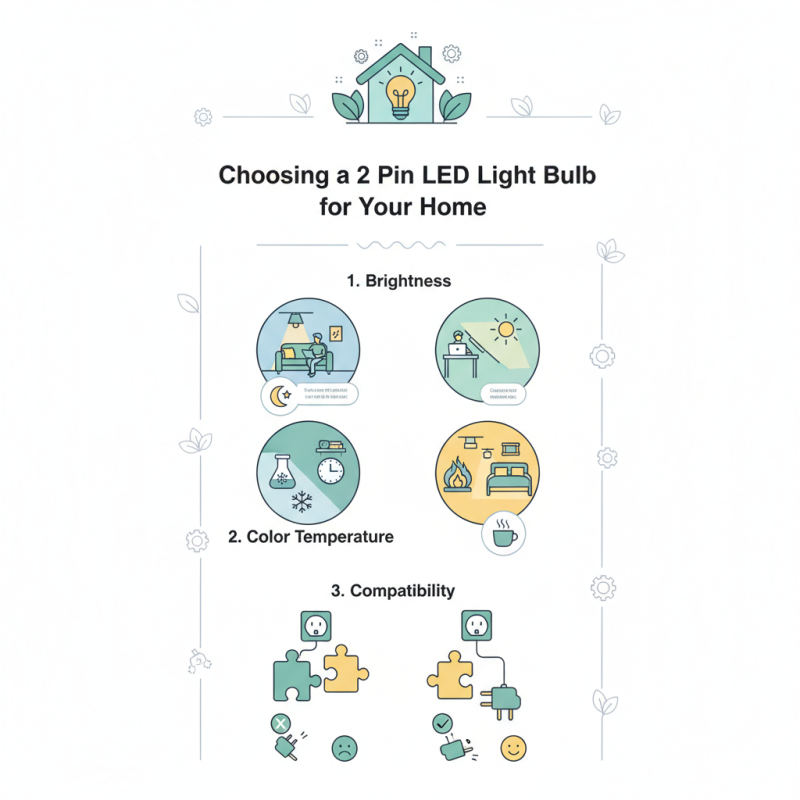
Begin by assessing the brightness you need. Different rooms require different lighting levels. For cozy spaces, softer bulbs may work best. In contrast, bright light is ideal for work areas. Examine the color temperature as well. A bulb's hue can significantly impact the ambiance of your room. Cool white bulbs offer clarity, while warm white provides comfort.
Finally, verify the compatibility of the 2 Pin Led Light Bulb with your fixtures. A mismatch can result in frustration and wasted resources. Be mindful of your choice, as a poor selection may lead to dissatisfaction. Understanding these essentials can help you make an informed decision that enhances your living space effectively.
Understanding the Basics of 2 Pin LED Light Bulbs
When selecting a 2 pin LED light bulb for your home, understanding the basics is essential. These bulbs usually feature a compact design, perfect for tight spaces. According to industry data, 2 pin LEDs can use up to 80% less energy than traditional incandescent bulbs. This makes them an attractive option for energy efficiency.
The color temperature of 2 pin bulbs can significantly affect your home’s ambiance. Often, these bulbs are available in various color temperatures, from cool white to warm yellow. Research indicates that warmer tones can create a more cozy environment, while cooler tones are suitable for task lighting. Choosing the right color can enhance your home’s atmosphere.
Tip: Check the bulb's lumen output. Higher lumens produce brighter light, which can be beneficial in workspaces.
Another important factor is the bulb’s wattage. A lower wattage means less energy consumption while providing sufficient brightness. However, not all bulbs are equally efficient. Some may not deliver as promised, leading to waste.
Tip: Always look for bulbs with certification labels. They ensure you’re purchasing a reliable product.
Overall, choosing a 2 pin LED requires careful consideration of energy efficiency, color temperature, and wattage. Making the right choice can significantly impact both your home's lighting quality and your energy bills.
Identifying the Right Wattage for Your Lighting Needs
Choosing the right wattage for your 2 pin LED light bulbs can significantly impact your home's ambiance and energy efficiency. According to the U.S. Department of Energy, replacing traditional bulbs with LEDs can save up to 75% on energy costs. Therefore, understanding wattage is crucial.
When selecting wattage, consider the purpose of the lighting. For general illumination in rooms like kitchens and living areas, bulbs around 10 to 12 watts can provide adequate brightness. In contrast, mood lighting often requires lower wattage, such as 5 to 8 watts. This variation can create the perfect atmosphere without consuming excessive energy.
**Tips:** Always check the lumen output of the bulb, not just the wattage. A higher lumen count means brighter light at lower wattage. It’s also essential to consider your home’s existing fixtures. Some fixtures may not support high-wattage bulbs. Testing different wattages can help avoid unexpected glare or inadequate light levels.
Finding the right balance is an art. Choosing bulbs that are too bright can lead to discomfort. Too dim can create an ill-lit environment. Consumers sometimes overspend on higher wattage bulbs, thinking they need more light, when lower wattage may suffice. It’s wise to reflect on how each room is used before making your final decision.
How to Choose the Right 2 Pin Led Light Bulb for Your Home? - Identifying the Right Wattage for Your Lighting Needs
| Room Type |
Recommended Wattage |
Lumens Output |
Color Temperature (K) |
| Living Room |
9 - 12W |
800 - 1100 lm |
3000 - 4000 |
| Kitchen |
10 - 15W |
900 - 1300 lm |
4000 - 5000 |
| Bedroom |
6 - 10W |
500 - 800 lm |
2700 - 3000 |
| Bathroom |
8 - 12W |
700 - 1000 lm |
3000 - 4000 |
| Office |
12 - 15W |
1000 - 1300 lm |
4000 - 5000 |
Exploring Different Color Temperatures and Their Effects
Choosing the right 2-pin LED light bulb involves understanding color temperatures and their effects on your home environment. Color temperature is measured in Kelvin (K). Lower Kelvin ratings, like 2700K, produce a warm, cozy glow. This light is ideal for living rooms and bedrooms, creating a relaxed atmosphere.
Warmer light can enhance the comfort of a space, but it may feel too dim for tasks needing focus. Consider 4000K to 5000K bulbs for brighter, more energizing light. This range mimics natural daylight, making it suitable for kitchens and workspaces. However, excessive cool light can be harsh and uninviting over extended periods.
**Tips:** When choosing bulbs, think about the room's purpose. Test a few color temperatures in your space. Always prioritize energy efficiency, even if it feels tempting to opt for cheaper, less efficient options. Experimenting can lead to surprising results. Reflect on whether the lighting improves your daily experience.
Color Temperature Comparison of 2 Pin LED Light Bulbs
This chart illustrates the different color temperatures commonly found in 2 pin LED light bulbs and their respective applications.
Assessing Compatibility with Existing Fixtures
When choosing a 2 pin LED light bulb, compatibility with existing fixtures is crucial. Many homes feature specific types of sockets that support only certain bulb shapes and sizes. For instance, a GU10 base is quite common, yet many homeowners mistakenly purchase bulbs that don’t fit. According to industry data, about 30% of lighting issues stem from mismatched fixture and bulb compatibility.
Before buying, check the socket type. It helps to know your home’s lighting design. Measure the size of the fixture opening and the bulb length. In some cases, a bulb that seems similar might not work. You might find a bulb that fits but does not provide adequate brightness or color temperature.
Tip: Consider the lumen output for brightness. A common mistake is undervaluing luminosity. For a living room, aim for at least 800 lumens.
While browsing, keep in mind that not all LED bulbs are dimmable. If your fixture uses a dimmer switch, this detail is essential. Choosing a non-dimmable bulb could cause flickering.
Tip: Always verify product specifications. Look for an Energy Star label for better efficiency hints.
Evaluating Energy Efficiency and Lifespan of LED Bulbs
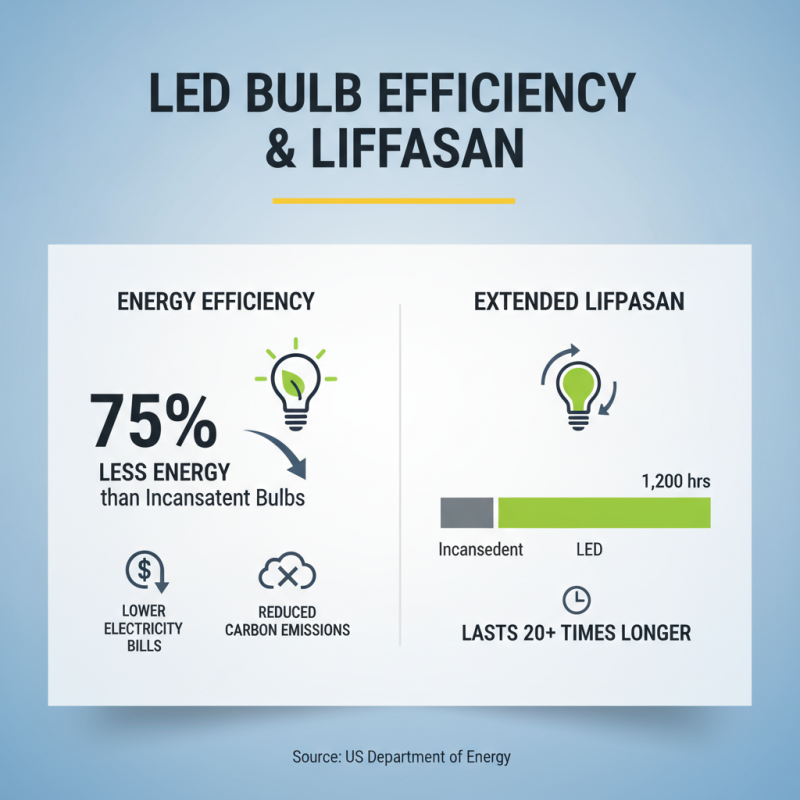
When selecting LED light bulbs, energy efficiency is a critical consideration. LEDs use significantly less energy than traditional incandescent bulbs. According to the U.S. Department of Energy, LED bulbs consume at least 75% less energy. This translates to lower electricity bills and reduced carbon emissions.
The lifespan of LED bulbs also merits attention. On average, LED bulbs last up to 25,000 hours. In contrast, incandescent bulbs might only last about 1,000 hours. This extended lifespan means fewer replacements, leading to less waste. However, not all LED bulbs are created equal. Some cheaper options may have a much shorter lifespan and can even fail sooner than expected.
Consumers should consider the upfront cost versus long-term savings. While high-quality LEDs may have a higher purchase price, they often result in better energy efficiency and longevity. Investing in reliable brands can yield a better quality service, but it’s important to evaluate each bulb individually. Quality metrics often vary among manufacturers. Thus, consumers must research carefully to ensure they are making informed choices.