Top Dimmable LED Lights for Global Buyers to Consider?
In the evolving world of home lighting, dimmable LED lights have gained tremendous popularity. According to lighting expert Dr. Emily Reed, "Dimmable LED lights not only enhance ambiance but also offer energy efficiency." This dual benefit makes them a preferred choice for global buyers seeking quality lighting solutions.
Dimmable LED lights provide versatility in various settings. They allow consumers to adjust brightness, creating a desired atmosphere for any occasion. This adaptability appeals to many, from homeowners to restaurant owners. However, not all dimmable options are created equal. Quality and performance can vary significantly among different brands.
Buyers often struggle to choose the right product. There are essential factors to consider, such as compatibility with existing fixtures and energy ratings. With numerous options on the market, making an informed choice is challenging. Although many labels claim superiority, it is crucial to investigate thoroughly. Selecting the right dimmable LED lights can transform any space while promoting energy savings.

Understanding Dimmable LED Lights: A Comprehensive Overview
Dimmable LED lights are becoming increasingly popular among homeowners and businesses alike. These lights offer versatility, allowing users to adjust brightness levels according to their needs. This feature is particularly useful in creating different moods for various occasions. For instance, a dim setting can enhance the cozy atmosphere during a dinner, while a brighter option is ideal for focused tasks.
Understanding the technology behind dimmable LEDs is important. They work by varying the voltage supplied to the bulb. This process impacts the light output and can significantly influence energy consumption. Choosing the right dimming method can be confusing. Not all dimmers are compatible with every LED. This lack of standardization can lead to flickering or buzzing sounds. It’s essential to check compatibility before making a purchase.
Moreover, the quality of light emitted by dimmable LEDs can vary. Some lights might offer warm tones, while others provide cooler shades. Personal preference plays a crucial role in this decision. Remember, lighting impacts mood and productivity. It’s worth investing time to find a suitable option. Always consider seeking advice and feedback from experts or experienced users.
Key Features to Look for in Dimmable LED Lights
When choosing dimmable LED lights, several key features play a vital role in overall performance. Light output control is essential. Look for bulbs that offer a wide dimming range. A bulb that dims smoothly prevents flickering and enhances the ambiance. The last thing you want is a light that stutters when dimming.
Color temperature also matters. Some bulbs emit a warm glow, while others seem cooler. Warmer lights often create a cozy atmosphere, ideal for relaxation. On the other hand, cooler lights can boost focus and productivity. Balancing this according to the purpose of the room can significantly enhance user experience.
Compatibility is another element to consider. Dimmable LED lights may not work with all existing dimmer switches. Ensuring the bulbs match with your dimmer is crucial to avoid issues. A mismatch can lead to inadequate performance or even damage. Exploring user reviews can provide insights about real-life experiences with different products. This empowers you to make informed choices, ensuring your investment is worthwhile.
Top Dimmable LED Lights for Global Buyers to Consider
| Model |
Wattage |
Brightness (Lumen) |
Dimming Range |
Color Temperature (K) |
Lifespan (Hours) |
Energy Star Certified |
| Model A |
10W |
800 |
10-100% |
2700K |
25000 |
Yes |
| Model B |
12W |
1000 |
0-100% |
3000K |
30000 |
No |
| Model C |
15W |
1200 |
20-100% |
4000K |
20000 |
Yes |
| Model D |
9W |
700 |
15-100% |
5000K |
15000 |
No |
Top Brands Offering Quality Dimmable LED Lights for Global Markets
When considering dimmable LED lights, global buyers face various choices. Many brands focus on performance and user experience. Factors such as brightness, color temperature, and compatibility with different dimmer switches are vital. Selecting the right product enhances the overall ambiance of any space.
Quality matters significantly in the dimmable LED market. Buyers should prioritize brands that emphasize quality in their manufacturing processes. Look for options that offer longevity and energy efficiency. These elements can lead to significant cost savings over time. However, not all brands deliver consistently high-quality products. Researching user reviews can help identify which options perform best.
In the quest for the ideal dimmable LED light, it is also essential to remain open to new innovations. The industry continuously develops advanced technologies. Buyers must be aware of their specific needs. An informed choice may involve trade-offs, such as brightness versus energy consumption. Embracing a testing mindset can lead to discovering the perfect solution.
Comparative Analysis of Dimmable LED Lights for Different Applications
Dimmable LED lights are gaining traction for their versatility and energy efficiency. They cater to various applications, from homes to offices and retail environments. A recent industry report shows that dimmable LED lights can reduce energy consumption by up to 50% compared to traditional lighting. This makes them a practical choice for consumers aiming to lower electricity bills.
Different settings require specific features. For instance, residential spaces benefit from lights that offer warm tones, creating a cozy ambience. In contrast, commercial spaces often require bright, cool tones that can enhance productivity. According to data from the U.S. Department of Energy, the right dimmable LEDs can improve mood and focus in workplaces. However, selecting the correct lumens and color temperature can be challenging.
Despite their advantages, not all dimmable LEDs perform well with existing dimmer switches. Compatibility issues can lead to flickering or buzzing. These problems highlight the need for careful selection and thorough compatibility checks. Reviewing user experiences can provide valuable insights. Buyers should consider their specific needs and potential challenges in their application areas.
Tips for Selecting the Right Dimmable LED Light for Your Needs
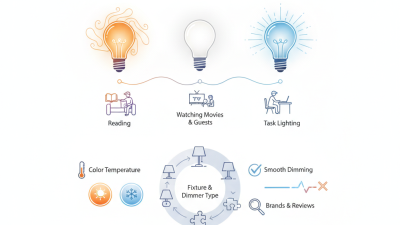
When choosing dimmable LED lights, consider several factors to meet your specific needs. First, check the brightness levels. Different spaces require different lumens. A hallway may need less light compared to a workspace. Also, note the color temperature. Warm light often creates a cozy atmosphere. Cool tones can enhance focus and productivity.
Dimming capability is crucial. Not all LED lights dim equally. Look for models designed specifically for smooth dimming. Incompatible dimmers can cause flickering. It's essential to pair the right dimmer switch with your LEDs. This detail can significantly impact the light quality.
Consider the shape and design, especially for decorative applications. A beautiful fixture can enhance your space, but functionality is also key. Verify the lighting's energy efficiency and lifespan. While some options may appear cheaper, their longevity matters. Higher-quality lights often save you money in the long run. Reflect on your options, considering both aesthetics and practicality. Every choice has its pros and cons.