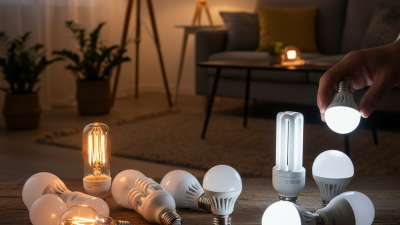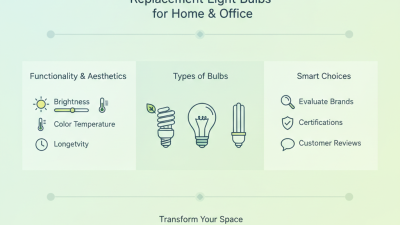
Global sourcing for Replacement Bulbs is no longer a simple price comparison. Buyers must match performance, safety, compatibility, and supply reliability across different markets. A bulb that fits a European socket may fail in a 120-volt North American system. Small details matter, including base type, lumen output, color temperature, dimming behavior, and operating temperature.
Energy efficiency remains a major purchasing factor. The U.S. Department of Energy reports that LED bulbs use at least 75% less energy than incandescent bulbs and can last up to 25 times longer. The International Energy Agency also identifies efficient lighting as an important pathway for reducing electricity demand. These figures support LED sourcing, but they should not replace product verification. A supplier’s claim is only a starting point.
A practical evaluation should include samples, technical datasheets, accredited laboratory reports, and shipment history. Check input voltage, frequency, power factor, CRI, rated life, flicker performance, and warranty conditions. Review the product’s packaging too. A damaged carton can turn a compliant bulb into a costly return. ENERGY STAR guidance also shows why tested performance matters, especially for efficiency and lifetime claims. Yet, the lowest unit price can still appear attractive. That is where sourcing decisions often become imperfect. Freight, customs, certification, failure rates, and replacement costs may change the real calculation. This guide explains how to compare Replacement Bulbs with greater technical confidence, while recognizing that global supply chains remain exposed to changing standards, inconsistent documentation, and supplier capability.
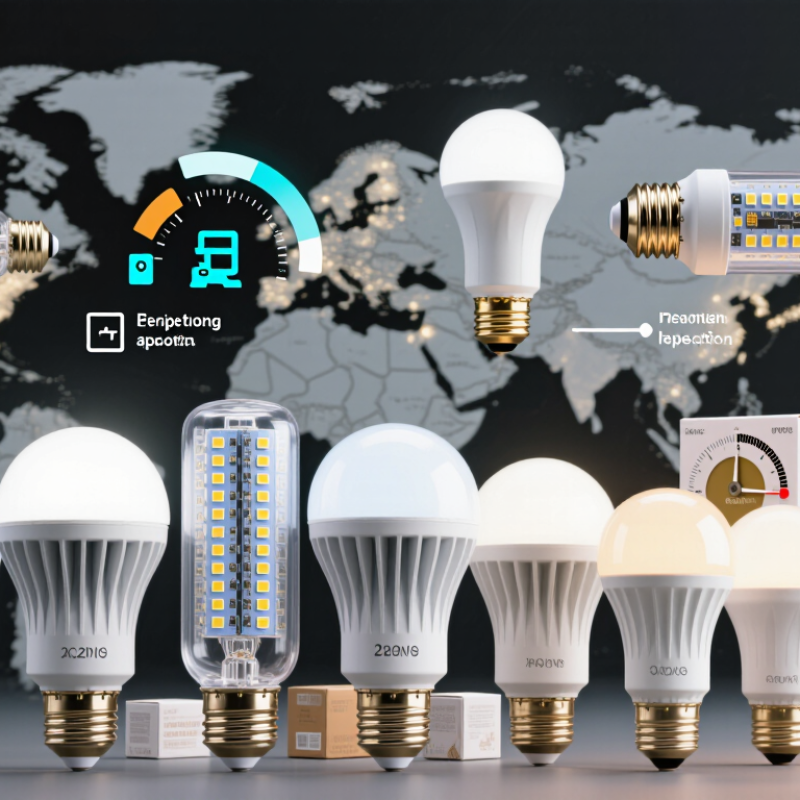
Replacement bulb selection starts with a clear specification, not a product photograph. Record the lamp’s socket type, bulb shape, maximum wattage, operating voltage, and physical dimensions. A bulb may fit the socket but touch the shade. That creates a real installation problem.
Define light performance for the actual application. List required brightness in lumens, color temperature, color rendering, beam angle, and dimming compatibility. A warm 2700K light may suit bedrooms, while 4000K can support workshops or retail counters. Check the operating environment too. Outdoor fixtures need suitable moisture protection, and enclosed fixtures may require heat-tolerant bulbs. For global sourcing, confirm voltage and frequency for each destination market. Request test reports, batch consistency records, and applicable safety documentation before approval.
Tips: Measure the existing bulb with a ruler. Photograph the socket and fixture. Test samples for flicker, startup delay, heat, and noise. Ask suppliers to state tolerances, not only nominal values. A perfect specification sheet is still not enough. In practice, two bulbs with identical wattage can produce different brightness and heat. I have seen small dimensional errors delay an entire installation. Recheck the carton label, sample, and purchase specification together. It feels repetitive, but it prevents expensive mismatches. Also review packaging strength for long-distance transport, because damaged bulbs cannot meet even the best technical requirements.
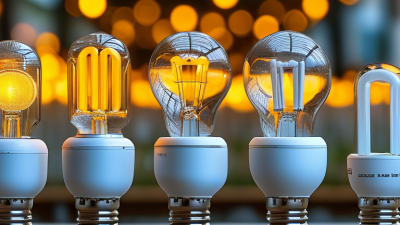
2026 How to Choose Replacement Bulbs for Global Sourcing?
Compare global bulb types, bases, voltages, and lighting technologies before approving any replacement bulb. LED bulbs suit most commercial projects because they reduce heat and energy use. Halogen bulbs provide sharp, warm light but require more cooling space. Fluorescent types may fit older installations, yet their size and control systems can complicate replacement. Base shapes also vary widely, including screw, bayonet, bi-pin, and specialty formats. Measure the socket carefully. A nearly matching base can still create poor contact.
Voltage is a sourcing risk. Common systems use 100–127V or 220–240V, while some fixtures require 12V or 24V. Check the fixture label, input range, frequency, and driver compatibility. LED performance also depends on color temperature, color rendering, dimming, beam angle, and heat management. A 3000K bulb may create a comfortable lobby, while 5000K can suit a warehouse. Test samples under real operating conditions.
Tips: Request datasheets, lumen reports, lifetime testing, and batch samples. Compare brightness after several hours, not only when new. Confirm base dimensions with a physical gauge. I once approved a visually correct bulb that flickered with an existing dimmer. That mistake was avoidable. Ask suppliers for regional test evidence, but verify critical claims independently. Small details matter.
2026 How to Choose Replacement Bulbs for Global Sourcing?
Supplier evaluation should begin with product consistency, not a polished sales presentation. Request samples from different production dates and compare lumen output, color temperature, base fit, and dimming performance. A reliable supplier should provide test records, batch codes, and clear corrective-action procedures. Ask how rejected bulbs are separated and recorded. Small details matter.
Certifications require careful checking. Confirm whether the documents cover the exact bulb model, factory, and target market. Quality management certification can show process discipline, but it does not prove every shipment is safe. Review electrical safety reports, photometric data, EMC results, and environmental declarations where applicable. Certification numbers should be verifiable through the issuing body. Paperwork alone is not enough.
Manufacturing capability is visible on the factory floor. Look for controlled assembly stations, calibrated instruments, aging-test racks, and traceable component storage. Ask about heat management, driver testing, incoming inspection, and final sampling rates. A capable plant should explain its failure limits without hesitation. An impressive facility can still produce uneven batches. That is where buyers sometimes become too confident. Define acceptance criteria before ordering, including tolerances for brightness, color shift, power consumption, and packaging damage. Keep a retained sample for later comparison. The process may feel slower, but it exposes weaknesses before a container leaves the factory.
Choosing replacement bulbs for global sourcing requires more than comparing unit prices. Calculate the landed cost for every shipment. Include product price, packaging, inspection, insurance, freight, duties, brokerage, storage, and possible returns. Currency changes can quietly damage margins. I have seen low-cost orders become expensive after port handling and delayed delivery fees. A spreadsheet helps, but it can still mislead when assumptions are outdated.
Tips: Request a complete cost breakdown before placing an order. Confirm the delivery term, shipment weight, carton dimensions, and minimum order quantity. Add a contingency allowance for delays, damage, and exchange-rate movement. Small details matter.
Logistics risks deserve practical testing. Bulbs may suffer from vibration, moisture, crushing, or temperature changes during long transit. Ask for protective packaging and inspect sample cartons before mass production. Confirm voltage, wattage, base type, color temperature, and dimming performance for the destination market. Import requirements also vary by country. Check tariff classification, commercial invoices, packing lists, certificates of origin, safety documents, energy information, and required conformity markings with a qualified customs professional. Requirements can change. That is easy to overlook. Keep product specifications consistent across invoices and cartons. A mismatch may trigger inspection or clearance delays. My own preference is to test one pilot shipment first, although this adds time and may not suit every purchasing schedule.
| Replacement Bulb Type | Base Specification | Reference Quantity | Indicative FOB Cost per Unit (USD) |
Estimated Carton Volume per 1,000 Units (m³) |
Destination Market | Estimated Ocean Freight per 1,000 Units (USD) |
Planning Duty Rate | Estimated Duty per 1,000 Units (USD) |
Estimated Landed Cost Excluding Recoverable Tax (USD) |
Logistics Risk | Key Import and Compliance Requirements | Recommended Sourcing Decision |
|---|---|---|---|---|---|---|---|---|---|---|---|---|
| A19 / GLS LED Bulb | E27 screw base; 9 W; 806 lm; 2700–6500 K; 220–240 V; 15,000-hour rated life | 1,000 units | $1.05 | 1.80 | European Union | $285 | 3.7% | $39 | $1,374 | Medium Carton crush, mixed-color temperature orders, port congestion |
CE marking; RoHS; WEEE producer obligations; EU energy-label and ecodesign documentation; EU Declaration of Conformity; product safety and technical file; correct CN/HS classification. | Suitable for high-volume retail replacement programs when documentation and energy performance are consistent. |
| A19 / GLS LED Bulb | E26 screw base; 9 W; approximately 800 lm; 2700–5000 K; 120 V; 15,000-hour rated life | 1,000 units | $1.08 | 1.80 | United States | $330 | 3.9% | $42 | $1,452 | Medium Energy-efficiency testing, port delays, packaging damage |
Applicable U.S. energy-efficiency requirements; FTC lighting facts label; electrical safety certification commonly requested by buyers; FCC requirements may apply to integrated electronics; customs entry and country-of-origin marking. | Use only after confirming the exact product category, test reports, labeling format, and buyer-required safety certification. |
| GU10 LED Spotlight | GU10 base; 5 W; 400 lm; 36° beam angle; 3000 K; 220–240 V; 25,000-hour rated life | 1,000 units | $1.28 | 1.35 | European Union | $225 | 3.7% | $47 | $1,552 | Low–Medium Lower volume improves container efficiency; lens and pin damage remain possible |
CE marking; RoHS; WEEE obligations; EU ecodesign and energy-label requirements where applicable; photometric test data; EMC and electrical safety evidence. | Good option for premium replacement applications where beam angle, color consistency, and low failure rates matter more than the lowest unit price. |
| GU10 LED Spotlight | GU10 base; 5 W; 400 lm; 36° beam angle; 3000 K; 120 V; 25,000-hour rated life | 1,000 units | $1.30 | 1.35 | United Kingdom | $265 | 0–3.7%* | $0–$48 | $1,565–$1,613 | Medium Separate labeling, customs treatment, and smaller replenishment batches |
UKCA or accepted CE route according to current product rules; RoHS; WEEE registration obligations; UK energy-label and ecodesign requirements; UK Declaration of Conformity where required. | Confirm tariff preference and product marking before shipment; maintain a separate UK compliance file from EU shipments. |
| E14 LED Candle Bulb | E14 base; 6 W; 470 lm; 2700 K; 220–240 V; 15,000-hour rated life | 1,000 units | $0.92 | 1.50 | European Union | $245 | 3.7% | $34 | $1,199 | Low Compact cartons and stable demand reduce handling exposure |
CE marking; RoHS; WEEE obligations; EU ecodesign and energy-label documentation; electrical safety and EMC test reports; accurate lumen and color-temperature claims. | Lowest estimated landed cost in this comparison; suitable for standardized, repeat-volume procurement. |
| E14 LED Candle Bulb | E14 base; 6 W; 470 lm; 2700 K; 220–240 V; 15,000-hour rated life | 1,000 units | $0.94 | 1.50 | Australia | $310 | 5.0% | $47 | $1,297 | High Longer transit distance, fewer sailing options, seasonal port variation |
RCM requirements may apply; electrical safety documentation; Australian energy-efficiency registration under applicable GEMS rules; English labeling; importer and customs documentation. | Source only after confirming GEMS scope, RCM pathway, plug or voltage configuration, and local importer responsibilities. |
| T8 LED Tube | G13 base; 18 W; 1,800 lm; 1,200 mm; 4000 K; 220–240 V; double-ended or single-ended wiring option | 1,000 units | $2.45 | 4.20 | European Union | $610 | 3.7% | $91 | $3,151 | High Long cartons, breakage, dimensional-weight exposure, wiring compatibility claims |
CE marking; RoHS; WEEE obligations; EU ecodesign and energy-label requirements where applicable; photometric data; installation instructions; clear compatibility information for existing fluorescent fixtures. | Use reinforced packaging and pre-shipment sample testing; verify ballast compatibility before approving large orders. |
| PAR38 LED Flood Bulb | E26 base; 15 W; approximately 1,200 lm; 40° beam angle; 3000 K; 120 V; damp-location suitability only if tested and marked | 1,000 units | $2.85 | 2.40 | United States | $425 | 3.9% | $111 | $3,386 | Medium Higher product value, lens damage, certification and claim exposure |
Applicable U.S. energy-efficiency rules; FTC lighting facts label; buyer-requested electrical safety certification; FCC assessment where applicable; country-of-origin marking; accurate wet or damp-location claims. | Prioritize tested thermal performance and safety documentation over a small FOB-price reduction. |
A reliable replacement bulb program starts with supplier selection, not a low unit price. Define the exact application: base type, voltage, wattage, color temperature, beam angle, dimensions, and expected operating hours. Request samples from at least three qualified suppliers. Test them in actual fixtures, including cold starts, voltage variation, heat, and repeated switching. Record lumen output and color consistency after extended operation. Small differences become expensive returns.
During supplier evaluation, review production capacity, quality controls, material traceability, and independent test documentation. A remote presentation is not enough. Ask for process photos, inspection records, carton specifications, and corrective-action history. Confirm whether the supplier can meet safety and labeling rules in each destination market. In my sourcing work, pilot orders have exposed weak soldering, loose bases, and fragile packaging before full production. That evidence matters more than polished sales claims.
Build the procurement plan around monthly demand, seasonal peaks, minimum order quantities, and realistic lead times. Keep approved samples and written specifications with every purchase order. Keep records. Set inspection checkpoints before production, before shipment, and after arrival. Use batch codes to connect defects with suppliers and shipment dates. A second source reduces disruption. Still, dual sourcing can create color differences when calibration is inconsistent. We once underestimated safety stock, and a delayed container forced costly air freight. That mistake changed our plan: buffer inventory now reflects demand volatility, port delays, and replacement urgency. No forecast is perfect. Review the data quarterly.