Top Replacement Bulbs How Do You Choose the Best?
Choosing the best Replacement Bulbs is less simple than comparing brightness and price. The right choice depends on the fixture, socket, voltage, color temperature, and daily use. A warm 2700K bulb can make a bedroom feel calm, while a 4000K bulb may sharpen visibility above a kitchen counter. Small details matter.
Lighting expert Dr. Peter Boyce has stated, “The purpose of lighting is to enable people to see.” That principle remains practical when comparing modern Replacement Bulbs. A bulb should illuminate the task without creating harsh glare, dark corners, or distracting flicker. Energy efficiency also deserves attention, but efficiency alone does not guarantee comfort. Check the lumens, not only the wattage. Review the color rendering index when accurate colors matter. For reading, cooking, or workshop tasks, a higher CRI can reveal useful differences in fabric, food, and tools.
Start with the fixture label. It may list a maximum wattage, approved bulb shape, or dimmer limitation. Ignoring those details can cause poor performance or safety concerns. I have found that shoppers often choose the brightest bulb, then regret the cold, uncomfortable light. That mistake is easy to make.
There is no perfect bulb for every room. A careful comparison should balance comfort, lifespan, operating cost, and appearance. Product claims can also be confusing. Verify certification, warranty terms, and manufacturer information before buying. The best Replacement Bulbs are the ones that fit correctly, perform consistently, and support how the space is genuinely used.
Identify Bulb Base, Shape, Voltage, and Fixture Compatibility First
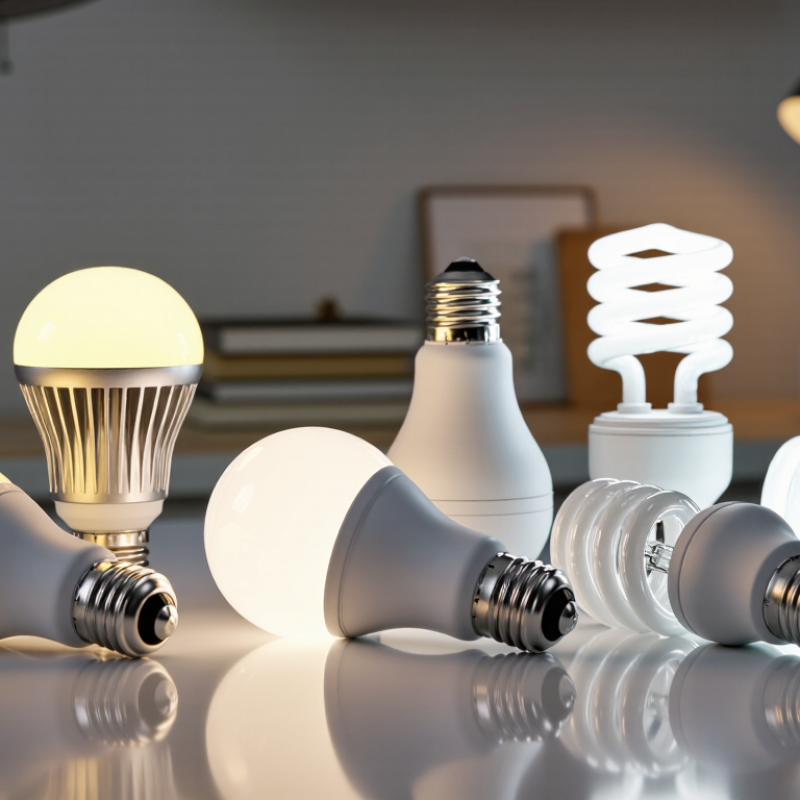
Choosing replacement bulbs starts with the base, not the brightness. Remove the old bulb and photograph its socket. Common bases include E26, E27, GU10, and G4, but similar designs may not be interchangeable. Check it twice.
The bulb shape must also suit the fixture. An A19 bulb may fit a table lamp, while a BR30 shape works better in a recessed ceiling. Measure the available space, including the shade opening and fixture depth. I once chose a bulb that matched the socket but touched the shade. It worked, but the fit was poor and needed correction.
Voltage is a critical detail. Match the bulb’s rated voltage with the fixture and local supply. A low-voltage bulb may require a compatible transformer. Also inspect dimmer compatibility, enclosed-fixture ratings, and damp-location requirements. A bulb can fit physically yet perform badly in the wrong fixture. Look for excessive heat, flickering, or a loose connection during installation. Turn power off before handling the socket. If wiring looks damaged, stop and consult a qualified electrician. A careful check takes minutes, while an incorrect match can shorten bulb life or create avoidable safety concerns.
Compare Lumens, Wattage, and LED Efficacy Using the 60W-to-8.5W Benchmark
Choosing a replacement bulb starts with lumens, not watts. The U.S. Department of Energy’s Energy Saver guidance equates a traditional 60-watt incandescent bulb with approximately 800 lumens. An 8.5-watt LED producing 800 lumens delivers about 94 lumens per watt. That is the practical benchmark. Wattage measures electricity consumed, while lumens measure visible light. Efficacy connects them: lumens divided by watts. Small numbers matter.
The DOE’s Solid-State Lighting R&D Opportunities report records LED package efficacies above 200 lumens per watt under controlled conditions. Household bulbs usually perform lower because diffusers, heat, and electronics reduce output. Still, efficacy is not the whole story. Look for 800 lumens, near 8.5 watts, suitable color temperature, and verified dimmer compatibility. A bulb may save energy yet feel harsh in a reading corner. That detail is easy to miss. I also question laboratory figures when the bulb operates inside a hot, enclosed fixture. The DOE reports describe performance potential, not guaranteed room-level results. Compare the printed lumens and wattage, then consider actual placement. A perfect ratio on paper can disappoint in practice.
Top Replacement Bulbs: How Do You Choose the Best? — Compare Lumens, Wattage, and LED Efficacy Using the 60W-to-8.5W Benchmark
| Bulb Type |
Typical Wattage for About 800 Lumens |
Typical Light Output |
Approximate Efficacy |
Typical Rated Life |
Heat and Energy Use |
Best Use |
| Standard Incandescent |
60 W |
Approximately 800 lm |
About 13 lm/W |
About 1,000 hours |
Highest heat output and electricity use |
Low-cost, warm decorative lighting where frequent replacement is acceptable |
| Halogen Incandescent |
43–53 W |
Approximately 700–900 lm |
About 14–21 lm/W |
About 1,000–2,000 hours |
Very warm operation and relatively high energy use |
Focused, bright light with accurate color appearance |
| Compact Fluorescent |
13–15 W |
Approximately 800 lm |
About 53–62 lm/W |
About 6,000–10,000 hours |
Lower heat and energy use than incandescent bulbs |
General-purpose lighting where long life and moderate efficiency are needed |
| LED |
8.5 W |
Approximately 800 lm |
About 94 lm/W |
About 15,000–25,000 hours |
Lowest energy use and substantially less heat |
Most efficient replacement for a general-purpose 60 W bulb |
|
Selection guide: For comparable brightness, prioritize lumens rather than watts. An LED using about 8.5 W can produce roughly 800 lumens, matching the light output of a traditional 60 W incandescent bulb while using about 86% less power. Actual performance varies by bulb design, operating temperature, dimmer compatibility, and fixture.
|
Match Color Temperature and CRI: Choose 2700–3000K and CRI 80 or Higher
Top Replacement Bulbs: How Do You Choose the Best?
Color temperature changes how a room feels and how objects appear. For bedrooms and living rooms, 2700K produces a warm, soft glow similar to traditional incandescent lighting. Choose 3000K for kitchens, hallways, or work areas that need a cleaner appearance. I once used a cooler bulb beside a wooden dining table, and the room looked strangely gray. The specification seemed reasonable. The result was not.
Color Rendering Index, or CRI, measures how naturally a bulb reveals colors. Choose CRI 80 or higher for everyday lighting, especially near clothing, food, artwork, and skin tones. A CRI above 90 can provide more accurate color, although it may cost more and may not suit every fixture. Check the package carefully. Some bulbs list color temperature clearly but hide CRI in small print.
Match the bulb to the room, fixture, and your daily habits. A 2700K bulb may feel relaxing at night, yet it can look too yellow over a white kitchen counter. A 3000K bulb may improve visibility, but it can feel harsh in a quiet bedroom. Dimming also matters. Not every replacement bulb dims smoothly, even when the package suggests compatibility. Test one bulb before replacing every light. That small mistake can save time.
Top Replacement Bulbs: Match Color Temperature and CRI
Compare common lighting applications by color temperature and minimum color rendering index.
For comfortable residential lighting, 2700–3000K produces a warm to warm-neutral appearance. Choose bulbs with a CRI of 80 or higher for generally accurate color, and consider CRI 90 or higher where natural-looking colors are especially important.
Confirm Dimming, Enclosure Ratings, and ENERGY STAR Certification Before Purchase
Choosing replacement bulbs is less about brightness than compatibility. I learned this after installing a dimmable bulb that flickered below half power. The package said “dimmable,” but the wall control was incompatible. Check the bulb and dimmer specifications together. Look for smooth performance across the full dimming range, not only an on-or-off claim.
Enclosure ratings matter when a bulb sits inside a sealed ceiling fixture or glass globe. Trapped heat can shorten LED life and reduce light output. The U.S. Department of Energy’s solid-state lighting research identifies thermal management as a continuing performance concern. A bulb marked for enclosed fixtures is usually the safer choice. I still inspect the fixture’s limited airflow, because labels cannot correct poor installation.
ENERGY STAR certification adds a useful screening point. ENERGY STAR reports that certified LED bulbs use at least 75% less energy and last up to 25 times longer than incandescent bulbs. The U.S. Energy Information Administration also reports that lighting remains a measurable share of household electricity use. Check the certification, lumen output, color temperature, and warranty details before buying. Lumens describe brightness; watts describe energy use. They are not interchangeable. My mistake was choosing a familiar wattage instead of comparing actual lumens. Data helps, but the fixture’s heat, control, and enclosure conditions still deserve a close look.