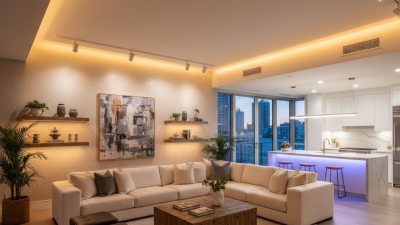
What Are the Top Types of Dimmable LED Lights?
Dimmable Led Lights come in several forms, and each suits a different room, fitting, and lighting task. The best choice depends on more than brightness control. Check the fixture’s dimming method, driver, and compatibility with the wall dimmer before buying. A bulb that dims smoothly in one lamp may flicker or buzz in another.
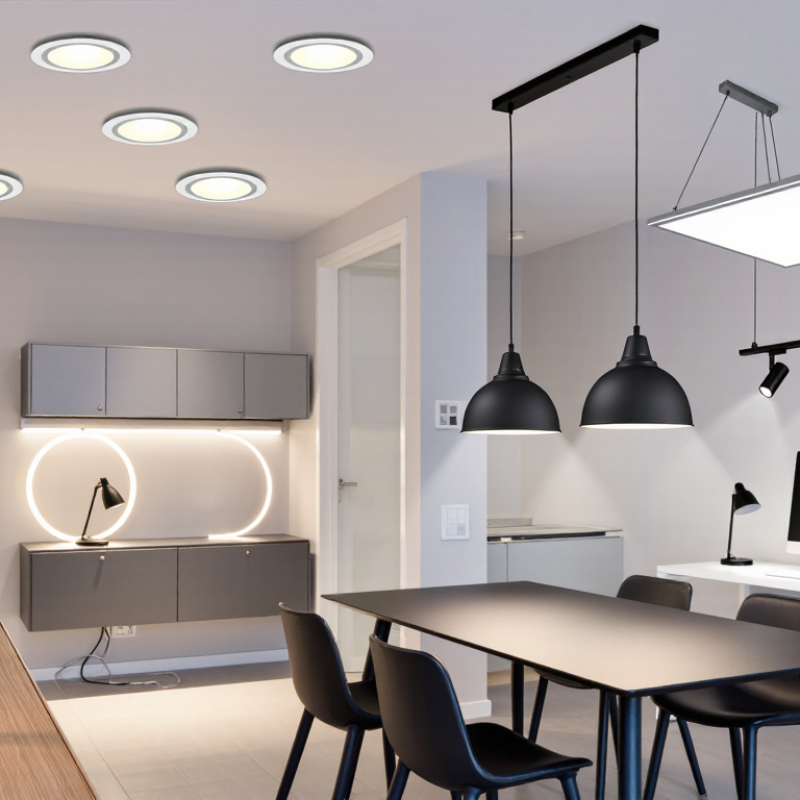
Dimmable LED bulbs are a simple option for table lamps and existing sockets. Recessed downlights provide an even ceiling glow, while LED strips add softer light beneath cabinets or along shelves. Panels suit offices and other spaces that need broad, uniform illumination. Track lights and pendant fixtures can direct or concentrate light over a desk, dining table, or display. Each type has trade-offs. Strips need suitable power supplies, and recessed fixtures must match the ceiling opening and insulation requirements.
Small details matter. Look for a clear dimming range, compatible controls, and manufacturer guidance. If possible, test the setup at low brightness; that is where flicker or uneven dimming may become noticeable. Very dim settings can expose differences between products. That can be frustrating. Even well-reviewed lights do not perform identically in every installation. This guide compares the main types, explains where they work best, and highlights practical checks that help you choose with fewer surprises.
How Dimmable LED Lights Work
How Dimmable LED Lights Work
A dimmable LED does not simply receive less power in the same way an old incandescent bulb does. Its driver—the electronics inside the lamp or fixture—adjusts the current reaching the light-emitting diodes. Depending on the design, it may reduce current steadily or switch it on and off very quickly. That switching is usually too fast to notice, but a poor match between the driver and dimmer can cause visible flicker, buzzing, or uneven brightness.
Many household dimmers alter the incoming AC waveform, while other systems use separate control signals. The LED driver must be designed to interpret that control correctly. Compatibility matters. A lamp may work with a dimmer yet still have a limited dimming range, especially near its lowest setting. In a living room, that can mean the light jumps from bright to nearly dark instead of easing down smoothly. Check the fixture’s specifications, and remember that actual performance can vary between dimmer models.
Tips: Look for stated dimmer compatibility before buying. Test the light at both full brightness and its lowest setting. If it flickers or hums, raise the minimum level or try a compatible dimmer. The ideal setup is not always obvious from the package.
Common Types of Dimmable LED Bulbs
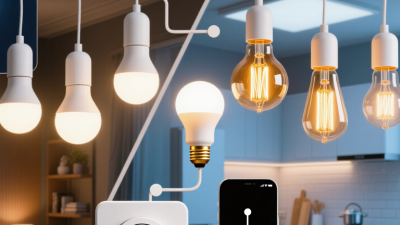
Common dimmable LED bulbs come in familiar shapes, but each suits a different fixture. A-shaped bulbs fit many table lamps and ceiling sockets, spreading light across a room. BR and PAR bulbs send a tighter beam, making them useful in recessed cans or track lighting. Candle-shaped bulbs suit chandeliers and wall sconces. MR16 and GU10 spotlights offer more focused light for display shelves or kitchen counters.
The base and bulb shape do not prove dimming compatibility. Check the packaging for “dimmable,” then confirm the dimmer is designed to work with LED loads. Otherwise, low-level flicker or a narrow dimming range may spoil the effect. This gets overlooked. The U.S. Department of Energy’s Energy Saver guidance reports that LEDs use at least 75% less energy and last up to 25 times longer than incandescent bulbs. Those figures describe LEDs generally, not every bulb or dimmer combination. For a practical check, try the bulb at its lowest setting before buying several; even matching labels can leave room for uneven performance.
What Are the Top Types of Dimmable LED Lights? - Common Types of Dimmable LED Bulbs
| Bulb Type |
Typical Shape and Base |
Common Applications |
Dimming Considerations |
| A19 |
General-purpose bulb; commonly uses an E26 screw base in North America. |
Table lamps, floor lamps, ceiling fixtures, and other everyday home lighting. |
Available in dimmable versions across a range of color temperatures. Check the bulb packaging and dimmer compatibility list. |
| BR30 |
Wide reflector bulb, usually with an E26 screw base. |
Recessed ceiling cans and track lighting, especially where a broad beam is desired. |
Often used with compatible LED-rated dimmers. Confirm that the fixture has enough clearance for the bulb. |
| PAR38 |
Directional reflector bulb; commonly available with an E26 screw base. |
Outdoor floodlights, security lighting, and indoor accent or task lighting. |
Some models are designed for wet or damp locations, but dimming capability and location rating should be checked separately. |
| B11 Candelabra |
Small, tapered candle-style bulb; often uses an E12 candelabra base in North America. |
Chandeliers, wall sconces, decorative fixtures, and some ceiling fans. |
Confirm both the base size and dimmability. Small decorative bulbs may have different dimming ranges from standard bulbs. |
| GU10 Spotlight |
Compact spotlight bulb with a two-pin twist-lock GU10 base. |
Track lights, recessed spotlights, and directional accent lighting. |
Use a bulb specifically marked dimmable and verify that the existing control is compatible with LED loads. |
| MR16 |
Small reflector spotlight, commonly with a GU5.3 two-pin base; many versions operate on low voltage. |
Display cases, accent lighting, landscape fixtures, and low-voltage recessed lighting. |
Dimming may depend on compatibility among the LED bulb, dimmer, and electronic or magnetic transformer. |
Note: Not every LED bulb is dimmable. For reliable performance, check the bulb’s dimming label and confirm compatibility with the dimmer and any transformer in the circuit.
Dimmable LED Fixtures for Different Spaces
Recessed dimmable LED fixtures work well in kitchens, hallways, and low-ceiling rooms. Their light can spread across a countertop without taking up visual space. Choose a warm setting for evening use, and a brighter one for food preparation. In a living room, recessed lights can support other sources rather than doing all the work. A ceiling full of them may feel flat.
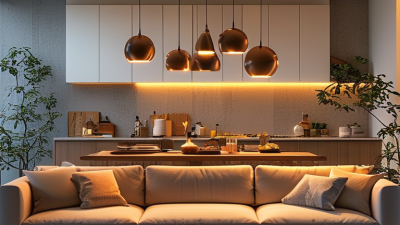
Pendant fixtures suit dining tables and kitchen islands, where focused light is useful. A dimmer helps soften the pool of light after dinner. For bedrooms, dimmable wall sconces or bedside lamps make late reading gentler on the eyes. Keep the controls easy to reach. Small detail, big difference.
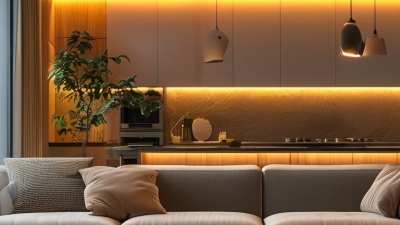
LED strips can add low-level light under cabinets, along shelves, or behind a headboard. They help with visibility, but exposed points can look harsh, so use a diffuser where practical. Check the driver and dimmer compatibility before installation; mismatched components may cause flicker or a narrow dimming range. It can flicker. Also, a fixture that dims smoothly in a showroom may behave differently in a home circuit. Test the lowest setting before choosing a permanent layout.
LED Dimming Technologies and Controls
What Are the Top Types of Dimmable LED Lights?
LED Dimming Technologies and Controls
Dimming quality depends on the driver, control method, and electrical setup working together. Phase-cut dimmers adjust power on the AC line and are common in retrofit installations. They must match the LED driver; otherwise, lights may flicker, buzz, or switch off at low settings. 0–10-volt systems use separate control wires to signal brightness, making them practical for many commercial spaces. Digital Addressable Lighting Interface (DALI) systems allow individual fixtures or groups to be controlled and reconfigured. Pulse-width modulation (PWM) rapidly switches current on and off, often supporting smooth dimming in low-voltage installations. Not every dimmer speaks the same language.
Control features also shape real-world savings. Occupancy sensors, daylight response, and scheduled dimming can reduce unnecessary lighting, but commissioning matters. A sensor aimed at a quiet corner may leave an occupied desk dark. The U.S. Department of Energy’s 2017 review of 12 commercial projects reported average lighting-energy savings of 47% from networked lighting controls; results varied by site. Treat that figure as a study finding, not a guaranteed outcome.
Before installation, check driver-control compatibility, minimum dimming levels, and performance across the actual fixture load. A simple on-site test can reveal problems that product specifications may miss.
How to Choose a Dimmable LED Light
What Are the Top Types of Dimmable LED Lights?
How to Choose a Dimmable LED Light
Choosing a dimmable LED starts with the fixture and the job. A-line bulbs suit table lamps and enclosed fixtures when the packaging confirms compatibility. Recessed downlights create even ceiling light, while LED strips work well under cabinets or along shelves. Check the base, bulb shape, brightness in lumens, and color temperature before buying. For a kitchen task area, a neutral white tone can make food and surfaces easier to see. For a bedside lamp, a warm tone often feels calmer. Small details matter.
Next, check the dimmer. An LED labeled “dimmable” may still flicker, buzz, or have a narrow dimming range with an incompatible control. The U.S. Department of Energy’s Energy Saver guidance says LEDs use at least 75% less energy and can last up to 25 times longer than incandescent bulbs; dimming can further reduce light output and energy use. Keep the bulb’s listed wattage within the dimmer’s LED rating, not its older incandescent rating. Compatibility is annoyingly specific. If possible, test one bulb at the lowest setting before replacing a whole room. I’d also keep the packaging until the light behaves well in the actual fixture.