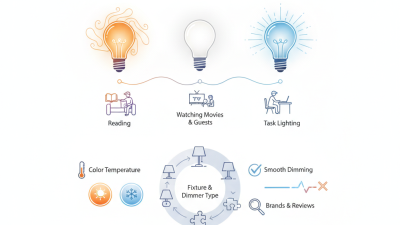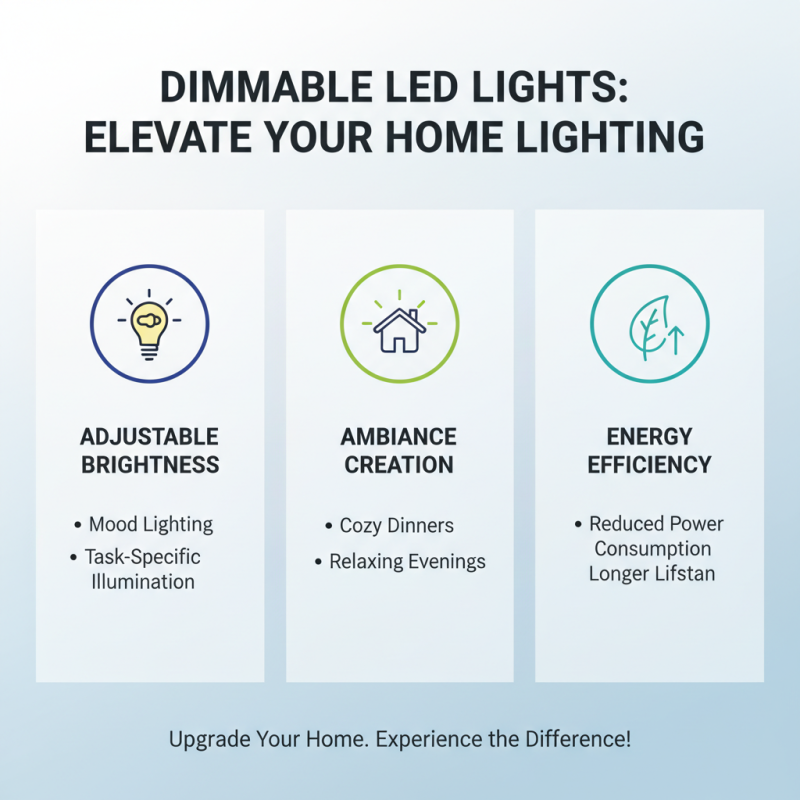
As the demand for energy-efficient lighting solutions grows, Dimmable LED Lights are becoming increasingly popular in China. These lights offer versatility, allowing users to adjust brightness levels according to their needs. Many homes and businesses are now adopting Dimmable LED Lights to enhance ambiance while saving energy costs.
However, the market can be overwhelming. With countless options available, choosing the right product can be challenging. Not all Dimmable LED Lights are created equal. Some may flicker or produce uneven lighting. It is essential to research different brands and read reviews before making a decision. Each product may have its own specifications and limitations, which could impact your lighting experience.
In exploring Dimmable LED Lights, consider your specific lighting needs. Think about the spaces you want to illuminate and how you want to use them. While these lights provide flexibility and efficiency, finding the perfect fit requires careful consideration. Balancing quality, price, and performance will help you make a more informed choice.
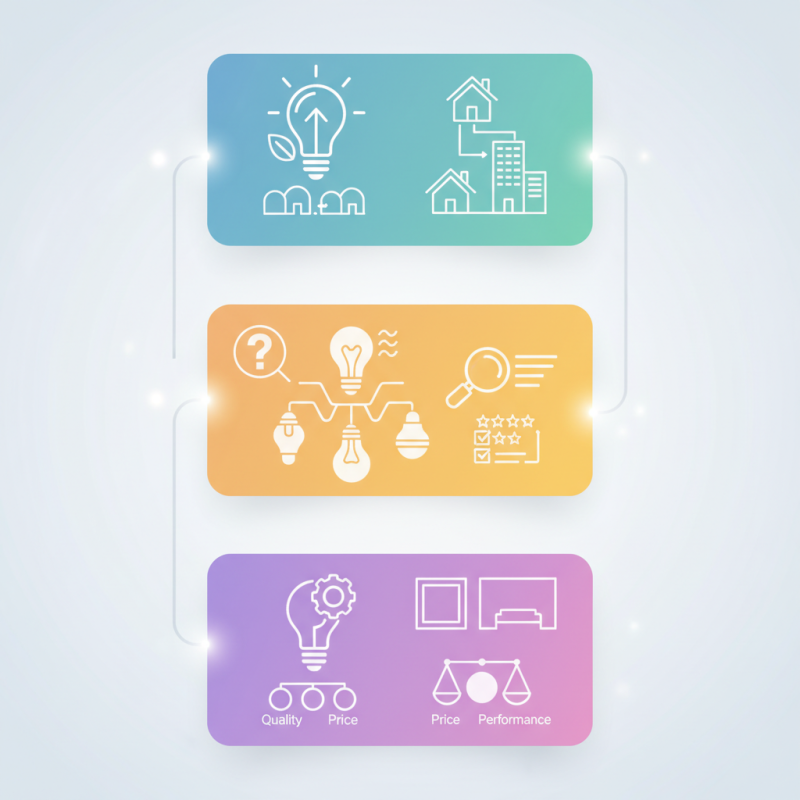
Dimmable LED lights have transformed the way we illuminate our spaces. They are versatile and energy-efficient. Understanding their types can help you choose the right one for your needs. There are primarily three types: leading-edge, trailing-edge, and smart dimmers. Each has its own mechanism and compatibility. Leading-edge dimmers work with older transformers, while trailing-edge options cater to newer models. Smart dimmers offer connectivity with home automation systems.
The technology behind dimmable LEDs involves intricate circuitry and control methods. Pulse width modulation (PWM) is a common technique used in these lights. It adjusts the brightness by changing the duration of the ON and OFF cycles. However, this can lead to flickering if the driver isn’t compatible. Heat dissipation is another concern. Improper heat management can shorten the lifespan of LED lights.
Choosing the right dimmer also plays a significant role in performance. Compatibility issues often arise, leading to frustrating experiences. Some users may find unwanted buzzing or flickering at lower brightness levels. Understanding these nuances is essential in maximizing your lighting experience. Experimenting with different setups can yield better results, although it may require time and patience.
| Type | Color Temperature (K) | Wattage | Dimming Method | Lifespan (hours) |
|---|---|---|---|---|
| Standard Dimmable LED | 3000 | 9 | Phase Cut | 25000 |
| Smart Dimmable LED | 4000 | 10 | App Control | 30000 |
| Adjustable Color LED | 2700 - 6500 | 12 | Remote Control | 25000 |
| Dimmable LED Strip | 3000 | 24 | PWM Control | 50000 |
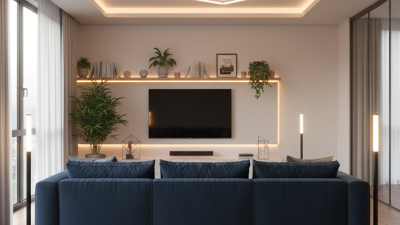
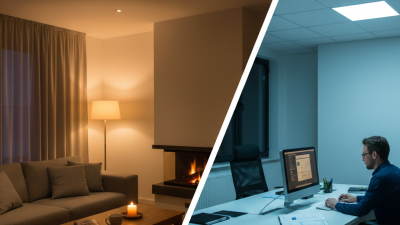
Dimmable LED lights are revolutionizing residential spaces. Homeowners appreciate their capacity to adjust brightness based on mood or time of day. Imagine hosting a cozy dinner party with just the right lighting. These lights can create an inviting atmosphere. You can easily switch from bright light for cooking to soft light for a relaxing evening.
Another benefit is energy efficiency. Dimmable LEDs consume less power when dimmed. This can lead to noticeable savings on electricity bills. However, it's crucial to choose the right dimmer switch. Not all switches work well with dimmable LEDs. This inconsistency can cause flickering or poor performance. Homeowners often overlook this detail.
Additionally, using dimmable lights can enhance the design of a space. The ability to control light intensity allows for creative and flexible designs. But there's a learning curve. Finding the perfect balance can take time. Experimenting with different settings is part of the process. Embracing trial and error can help perfect your lighting scheme.
When choosing dimmable LED lights, several factors come into play. It's important to consider brightness levels. Different environments require different intensities. For example, a cozy dining room may need soft light. In contrast, a workspace might require brighter illumination.
Another crucial factor is compatibility. Not all dimmers work with every LED product. Using the wrong combination can lead to flickering or reduced performance. It's wise to check specifications when purchasing. Color temperature also matters. Some prefer warm white tones, while others like cool whites. Personal preference should guide your choice.
Lastly, look for energy efficiency. Dimmable LEDs can save energy, especially when used thoughtfully. However, not every option is energy-efficient, so research is needed. Sometimes, what seems like a good deal can waste power in the long run. Balancing these elements can enhance your lighting experience.
Dimmable LED lights offer flexibility in lighting design. When considering installation, it's crucial to assess compatibility with existing fixtures. Not all dimmers work with LED technology. Some may cause flickering or buzzing. Checking specific requirements is essential.
Understanding the type of dimmer switch is vital. Leading-edge dimmers may create issues with LED lights. Instead, trailing-edge dimmers provide smoother dimming. This transition is critical for optimal performance. Homeowners often overlook this aspect, leading to dissatisfaction.
Installation can be straightforward, but attention is needed. Proper wiring practices ensure safety and efficiency. Some may find the technical details overwhelming. Engaging with a professional can prevent common installation mistakes. Selecting the right combination of lights and dimmers enhances the overall experience.
The dimmable LED market in China is evolving rapidly. Many consumers seek energy-efficient lighting solutions that offer flexibility. Dimmable LEDs fit this need perfectly. They allow users to adjust brightness according to mood and setting. This feature enhances ambiance in homes and businesses alike.
Current trends show a surge in smart dimmable LEDs. These lights can be controlled through smartphones or voice commands. This integration with smart home systems is convenient. However, not all users find the technology user-friendly. Some struggle with app compatibility or Wi-Fi connectivity issues. There’s room for improvement in user experience.
Moreover, innovation in LED technology is ongoing. Advancements in color temperature and energy efficiency are notable. Many products now offer a range of hues. This variety caters to diverse consumer preferences. Yet, some consumers feel overwhelmed by the multitude of options available. Simplicity can often attract more buyers. Hence, the challenge remains to balance innovation with user accessibility.