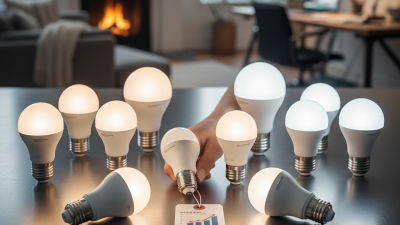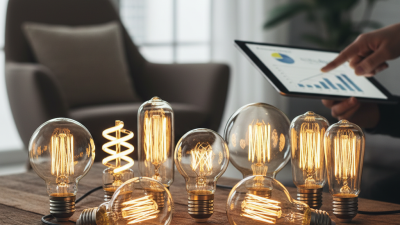
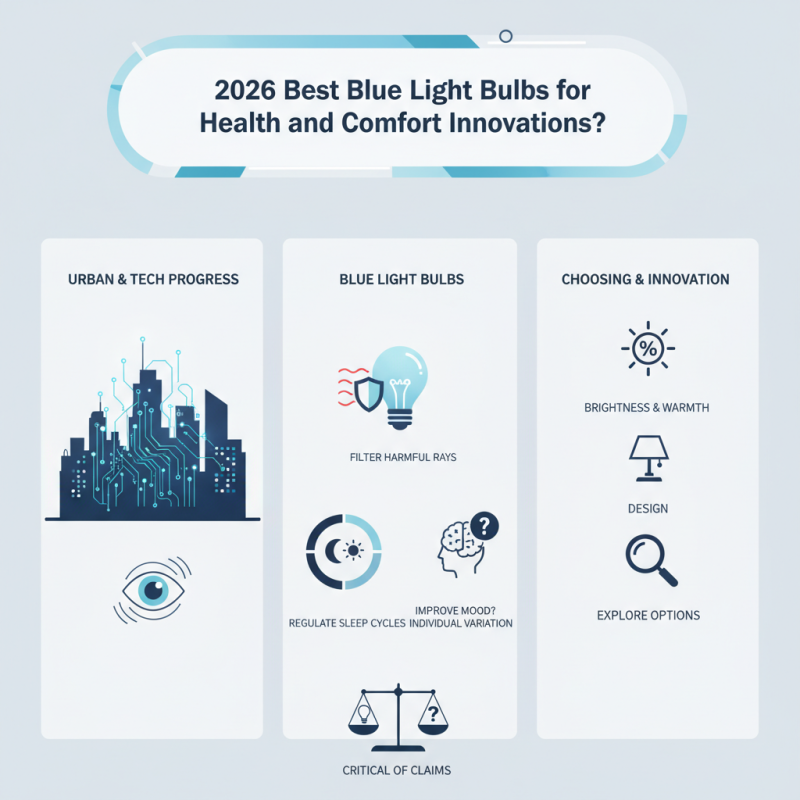
As urban living and technology progress, our exposure to artificial light increases. This trend has sparked a need for solutions that enhance our health and comfort. Blue light bulbs have emerged as a popular option. These innovative lights aim to reduce eye strain and improve mood. Many of us lack awareness about the pros and cons of blue light exposure.
Blue light bulbs are designed to filter out harmful rays. They can provide a refreshing ambiance at home or in the workplace. Some studies suggest these bulbs may help regulate sleep cycles. However, their impact on mental well-being varies for each individual. What works for one person may not suit another.
Choosing the right blue light bulbs involves considering multiple factors. The brightness, warmth, and design play significant roles in creating a cozy atmosphere. The market offers a range of products, making the selection process daunting. Therefore, understanding the available options becomes crucial. Exploring these innovations can lead to more informed decisions about our lighting choices. Yet, one must always remain critical of marketing claims to avoid missteps.
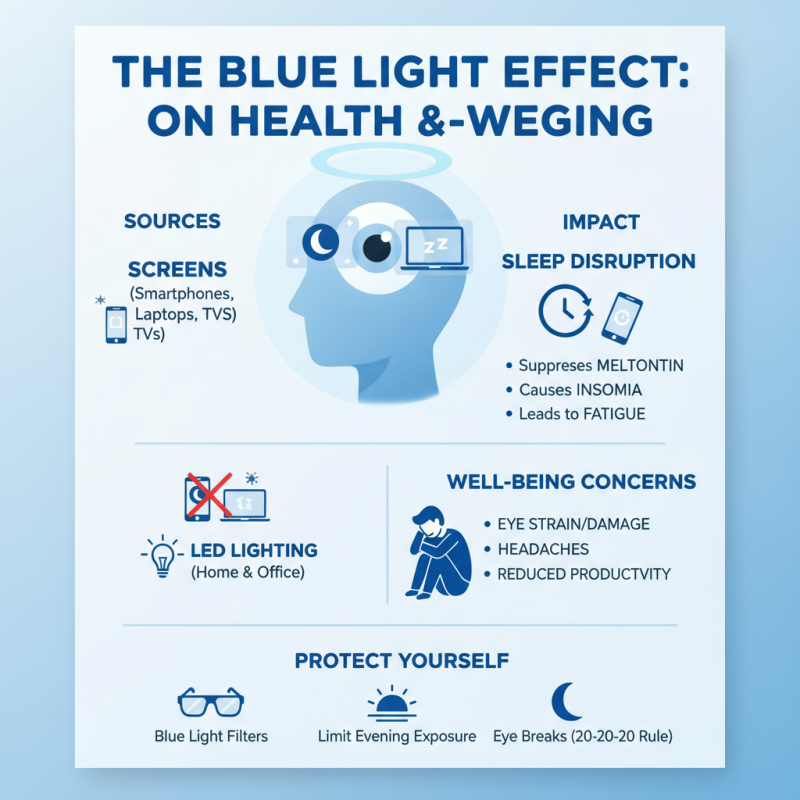
Blue light, emitted by screens and LED lighting, plays a significant role in our health and well-being. Exposure to blue light, especially in the evening, can disrupt sleep patterns. It interferes with the production of melatonin, the hormone responsible for sleep regulation. This disruption can lead to insomnia and fatigue, impacting daily life.
To mitigate these effects, consider setting limits on screen time before bed. Use night mode settings on devices to reduce blue light exposure. Incorporating ambient lighting in your living space can also help create a more soothing environment.
Maintaining a healthy balance is crucial. Not all blue light is harmful; it is essential during the day to boost alertness and mood. However, excessive exposure at night can lead to serious health issues over time. Taking regular breaks from screens can alleviate eye strain and contribute to better health outcomes.
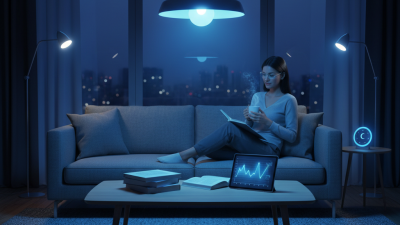
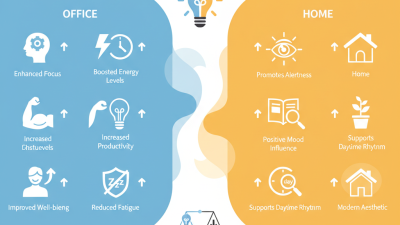
Blue light bulbs have gained attention for their potential health benefits. They emit a specific wavelength of light that can impact our well-being. This light is believed to enhance alertness and improve mood. Many users report feeling more energized when using these bulbs in their homes or workplaces.
One of the key features of blue light bulbs is their ability to regulate circadian rhythms. Exposure to blue light during the day can help keep our internal clocks in sync. However, excessive exposure at night may disrupt sleep patterns. It brings forward an important consideration: the right timing of usage is crucial. Using these bulbs in the morning can boost focus, but using them before bed can be counterproductive.
Additionally, blue light bulbs often come with adjustable settings. Users can control the intensity to suit various activities. A well-lit workspace or a relaxing evening environment can be created by simply adjusting the bulbs. Nonetheless, not everyone responds the same way to blue light. Personal sensitivity levels can vary widely. It's essential to be mindful of how your body reacts to this light technology and make adjustments as necessary.
| Feature | Description | Health Benefits | Comfort Level | Energy Efficiency |
|---|---|---|---|---|
| Color Temperature | Ranges from 2700K to 6500K | Reduce Eye Strain | High Comfort | Yes |
| Flicker-Free Technology | Minimizes flickering | Helps Prevent Headaches | Very High Comfort | Yes |
| UV Protection | Filters harmful UV rays | Prevents Skin Damage | Moderate Comfort | Yes |
| Smart Features | App control and scheduling | Improves Sleep Quality | High Comfort | Yes |
| Dimmable Options | Adjustable brightness levels | Enhances Relaxation | Very High Comfort | Yes |
Innovative technologies are reshaping blue light bulbs, enhancing health and comfort. Recent advancements focus on regulating blue light emissions. Some designs include filters to reduce glare and enhance color accuracy. These innovations can minimize eye strain during prolonged use.
Adjustable brightness is another popular feature. Users can customize the intensity of light according to activities. Warmer tones in evenings can promote better sleep. Such options empower individuals to create their ideal lighting environments.
Tips: Select bulbs with adaptive lighting technology. It reduces flicker, a common aggravator of eye fatigue. Regularly take breaks when using digital screens. This simple practice can significantly lower discomfort. Consider the placement of your bulbs; the right positions enhance the overall atmosphere and functionality of your space.
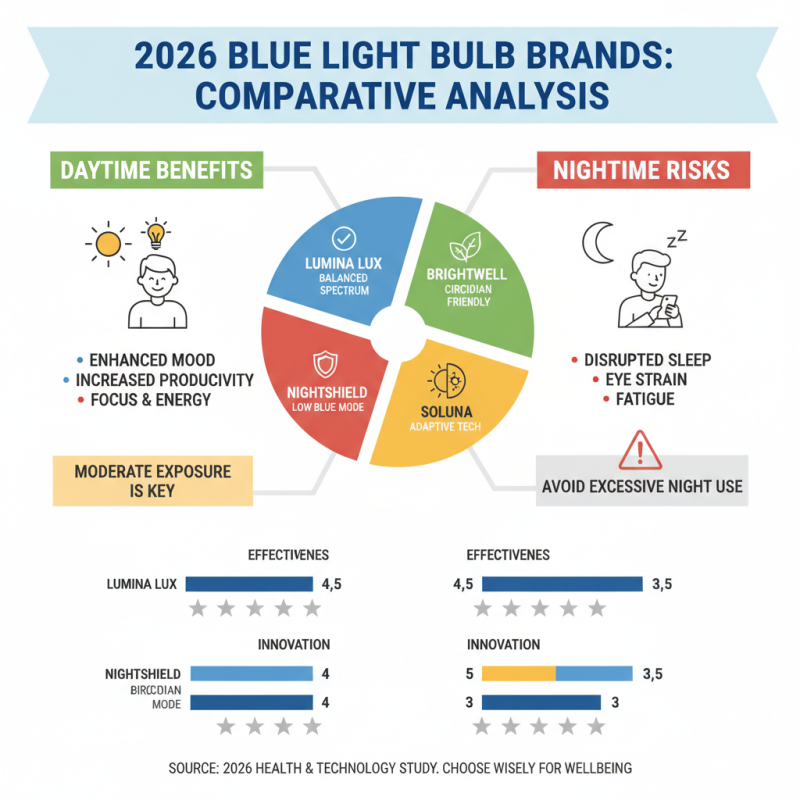
In the pursuit of better health and comfort, blue light bulbs have gained popularity. A recent study revealed that proper exposure to blue light can enhance mood and productivity. However, excess exposure, especially at night, can disrupt sleep patterns. In 2026, various brands offer innovative solutions, but not all provide equal benefits.
A comparative analysis shows significant differences in color temperature and brightness. Ideal blue light bulbs should have a color temperature between 5000K and 6500K to maximize benefits. Some brands can emit harmful levels of blue light, raising concerns among health experts. Research indicates that individuals using blue light therapy for seasonal affective disorder felt improvements. Yet, improper use can lead to eye strain.
Tips for selecting blue light bulbs: Check for certifications like ENERGY STAR. Look for bulbs with adjustable brightness settings. It's essential to balance light exposure, especially during the evening. Aim for a warm light option when winding down. Remember, while blue light can enhance your workspace, moderation is key to maintaining overall well-being.
Blue light bulbs have sparked increasing interest for their potential health benefits. Users have reported a range of experiences with these bulbs, often citing improvements in sleep patterns and overall comfort. According to the National Sleep Foundation, exposure to blue light during the evening can disrupt melatonin production, making it essential to choose the right bulbs. Many users have found that adjusting the color temperature of their lighting improves their nighttime relaxation.
A study from the Lighting Research Center found that blue light can enhance alertness and mood, making it ideal for daytime use. Reviews often highlight how these bulbs help maintain focus while working or studying. However, user feedback also indicates that too much exposure to blue light can lead to eye strain. Individuals sensitive to light may need to experiment with intensity levels.
Tips: Consider switching to blue light bulbs in workspaces for a productivity boost. Use warmer color bulbs in the evening to support better sleep. Regular breaks from screens can further enhance comfort. Each user’s experience varies, so finding the right balance is crucial.
This chart displays user satisfaction ratings for various features of blue light bulbs, highlighting their performance on health benefits, comfort, energy efficiency, and overall user satisfaction.