How to Choose the Best 2 Pin Led Light Bulb for Your Needs?
When selecting the best 2 Pin LED Light Bulb, many factors come into play. Industry expert John Smith emphasizes, "Quality lighting can transform any space." His insights are invaluable for understanding how to choose wisely.
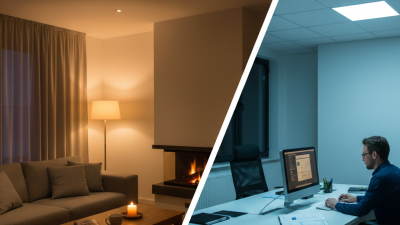
The right 2 Pin LED Light Bulb depends on your specific needs. Consider the brightness required for different areas, such as living rooms or workspaces. Pay attention to the bulb’s color temperature. Warm white light creates a cozy atmosphere, while cool white is ideal for task-oriented spaces.
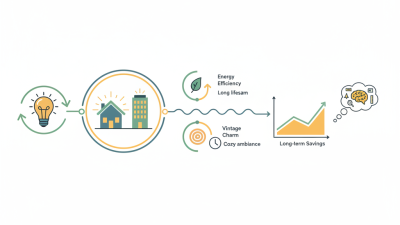
Moreover, evaluate the energy efficiency of various options. Some bulbs may promise longevity but fall short in performance. It's crucial to balance cost and quality. Sometimes, a lower-priced bulb may lead to higher energy bills. Reflecting on these details can guide you to make an informed choice.
Understanding the Different Types of 2 Pin LED Light Bulbs Available
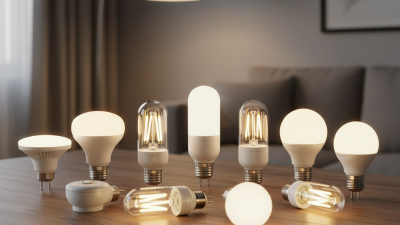
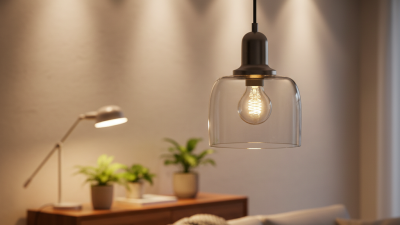
When selecting a 2 pin LED light bulb, it's crucial to understand the various types available. Two common types are G4 and GU10 bulbs. G4 bulbs operate at lower voltages, typically 12V, making them ideal for accent lighting. They produce warm lighting, enhancing the ambiance in spaces like living rooms. On the other hand, GU10 bulbs are designed for mains voltage applications. They provide brighter illumination, often used in commercial spaces or areas needing more light.
Consider the wattage and lumens produced. A 6W LED bulb can emit the same brightness as a 50W halogen bulb. This means energy savings without sacrificing light quality. Industry reports indicate that LED bulbs can last 15,000 hours or longer, making them a reliable choice. Pay attention to the color temperature as well—warm white (2700K) gives a cozy feel, while cool white (5000K) offers a more modern touch.
Tips: Always check the compatibility with your fixtures. Not all bulbs fit every socket type, leading to frustration. Ensure you're aware of any dimming features too, as not all LED bulbs are dimmable. Testing different types can reveal preferences that data alone might overlook. Remember to account for the environment where you will use the bulbs for the best results.
Comparison of Different Types of 2 Pin LED Light Bulbs
Key Features to Consider When Selecting 2 Pin LED Light Bulbs
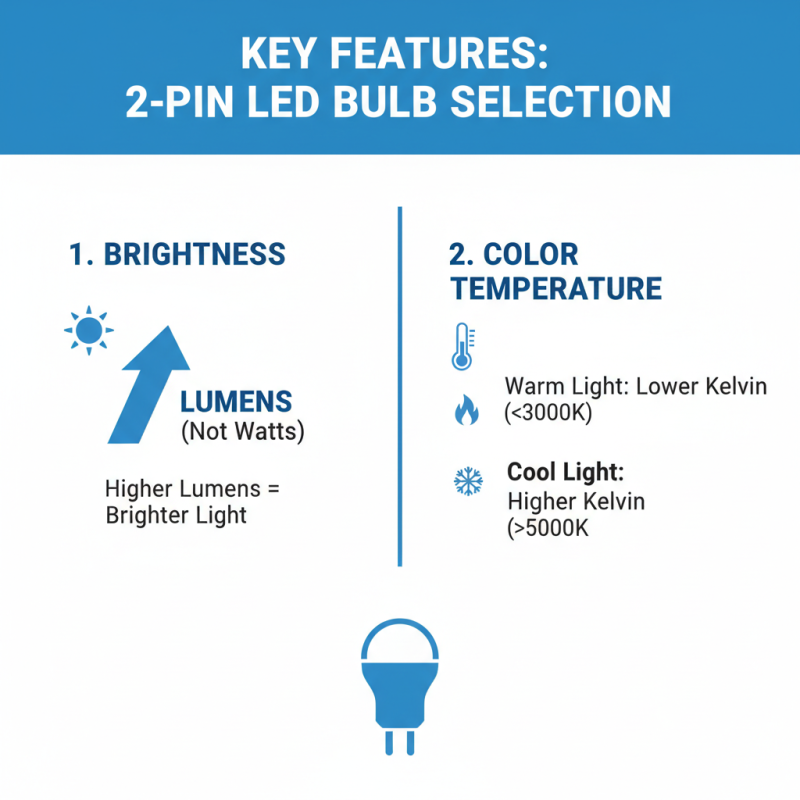
When selecting 2 pin LED light bulbs, several key features should be considered. Brightness is crucial. Look for lumens instead of watts. Higher lumens mean brighter light. Color temperature is another important factor. It can affect your space's ambiance. For warm lighting, choose bulbs with lower Kelvin ratings. For a cooler light, opt for higher ratings.
Energy efficiency is also significant. LEDs are known for their energy-saving capabilities. Check the energy consumption listed on the packaging. Longevity impacts your investment too. Many LED bulbs last significantly longer than traditional options. However, quality varies. Not all LED bulbs offer the same lifespan, so do some research.
Finally, consider the bulb's design. The shape and size should fit your fixtures. Some bulbs are more stylish, which can enhance the decor. Also, ensure compatibility with dimmers if needed. Reflect on these features to find the right fit. The choices may seem overwhelming. Yet, understanding your specific needs can lead to better decisions.
Comparing Energy Efficiency Ratings for 2 Pin LED Light Bulbs
When choosing a 2 pin LED light bulb, energy efficiency is a crucial factor.
Energy efficiency ratings, such as the ENERGY STAR label, offer valuable insight.
According to the Department of Energy, LED bulbs can use up to 75% less energy than traditional incandescent bulbs.
This significant saving can greatly impact your electricity bill.
One important metric is the lumens per watt ratio.
A higher ratio indicates better efficiency. For example, a 2 pin LED bulb with a rating of 80 lumens per watt is more efficient than one rated at 40 lumens per watt.
Research shows that consumers often overlook this aspect, which can result in higher energy costs.
Moreover, the lifespan of the bulbs adds to their overall value. Most 2 pin LEDs last up to 25,000 hours, compared to only 1,000 hours for incandescent options.
While the initial cost may be higher, long-term savings are significant.
Many buyers fail to consider the total cost of ownership, focusing solely on the upfront price.
This approach can lead to missed opportunities for greater savings.
Analyzing Brightness Levels and Color Temperatures for Your Needs
Choosing the right 2 pin LED light bulb involves understanding brightness levels and color temperatures. Brightness is measured in lumens, and the optimal choice depends on the intended use. For example, a bulb offering 800 lumens is suitable for general lighting in living spaces, while 1600 lumens may be necessary for task-oriented areas like kitchens.
Color temperature influences the atmosphere of a space. Measured in Kelvin (K), warm light (2700K-3000K) promotes relaxation, ideal for bedrooms. In contrast, cool light (4000K-5000K) enhances focus, making it appropriate for workspaces. Recent studies indicate that most people prefer temperatures around 4000K for balanced lighting. However, preferences can vary greatly.
Selecting the wrong brightness or color can alter a room's mood. Some find cool light harsh. Others may feel warm light is too dim for functionality. Thus, it's critical to experiment with options before finalizing a purchase. Documenting personal experiences can also help in making informed decisions. Your specific needs and preferences should guide your choice.
The Importance of Lifespan and Warranty in 2 Pin LED Light Bulb Selection
When selecting a 2 pin LED light bulb, lifespan and warranty are key considerations. A longer lifespan means less frequent replacements. This leads to convenience and cost savings. Many 2 pin LED bulbs claim lifespans of 15,000 to 25,000 hours. However, real-world usage may vary due to factors like voltage fluctuations or usage patterns. It's worth checking user reviews to assess actual longevity.
Warranties provide assurance against early failures. A bulb with a solid warranty often reflects the manufacturer's confidence in their product. Warranties can range from one year to over five years. Always read the terms carefully. Some warranties may only cover certain conditions or usage scenarios. Ensure that you understand what is covered before making a decision.
Choosing the right bulb involves more than just light output. Pay attention to both lifespan and warranty. They directly influence your overall satisfaction and efficiency. Do not overlook the importance of these factors in your selection process. Remember to ask questions and seek clarity from sellers.
How to Choose the Best 2 Pin Led Light Bulb for Your Needs?
| Feature |
Description |
Importance |
| Lifespan |
Typically lasts between 15,000 to 50,000 hours depending on the quality. |
Longer lifespan means less frequent replacements and reduced costs. |
| Wattage |
Commonly ranges from 2W to 12W, offering various brightness levels. |
Choosing the right wattage affects energy consumption and brightness. |
| Color Temperature |
Available in warm white (2700K), cool white (4000K), and daylight (6500K). |
Different color temperatures create different atmospheres in a space. |
| Warranty |
Usually 1 to 5 years, depending on the manufacturer. |
A longer warranty indicates manufacturer confidence and product reliability. |
| Dimmability |
Some models can be used with dimmer switches. |
Allows for customizable lighting levels, enhancing ambiance. |
| Energy Efficiency Rating |
Rated on a scale, typically A to E, with A being the most efficient. |
Higher efficiency means lower energy bills. |