Blue Light Bulbs can refer to blue-colored bulbs or lamps that produce blue-rich white light. Those are not the same thing. This guide compares ten options for homes and businesses, with attention to how each bulb looks and works in everyday spaces. A blue bulb may add a vivid accent to a game room, display, or storefront. A blue-rich white bulb may suit a workspace, but its brightness and color can feel harsh in a quiet evening setting.
The right choice depends on the room and the fixture. Check the bulb’s base, dimensions, lumen output, dimming compatibility, and stated color before buying. Small details matter. A bulb that fits a desk lamp may not fit a recessed ceiling fixture. We also consider energy use, controls, durability, and whether product specifications are clear enough to compare. For business owners, consistent color and dependable operation can matter across several fixtures. At home, glare and comfort deserve equal attention.
Blue light can influence alertness and circadian timing, but effects vary with brightness, exposure, and individual routines. That does not make every blue or blue-rich bulb unsuitable. It does mean placement and timing are worth considering, especially in bedrooms and evening-use areas. There is no perfect bulb for every room. Product claims can also be incomplete, so check the manufacturer’s details and your fixture requirements before choosing.
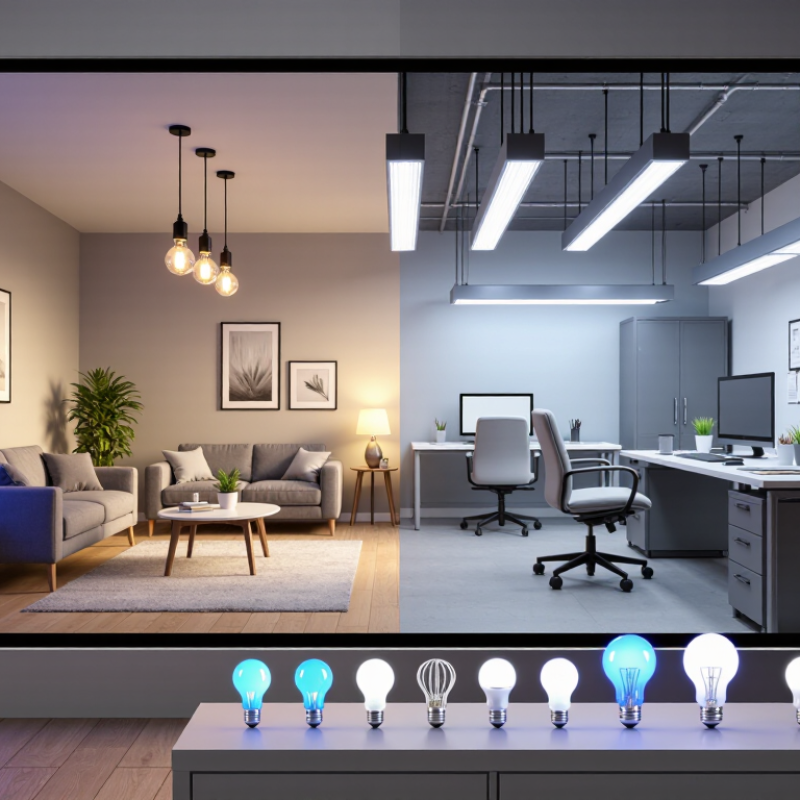
The phrase “blue light bulb” can describe two different products. One produces a visibly blue glow. The other produces cool white light with a high color temperature, often above 5,000K. This distinction matters. A blue-tinted bulb suits decorative signs, themed rooms, photography, and selected display areas. Cool white bulbs are more practical for workshops, offices, garages, kitchens, and retail counters. They reveal fine details clearly and can make spaces feel energetic. However, blue-rich light may feel harsh or distracting at night. Evening exposure can also interfere with natural sleep routines for some people. The effect varies between individuals.
The word “best” is slippery. A suitable bulb should match the room, activity, and operating schedule. Check brightness, color temperature, color rendering, dimming support, and visible flicker. For work areas, accurate color rendering helps users judge paint, fabric, food, or electrical components. For living spaces, softer light often feels more comfortable. Businesses should also consider glare, ceiling height, and customer experience. A bulb that looks impressive online may appear cold under a low ceiling. That mistake is easy to make.

Choosing a blue light bulb starts with its purpose. A cool, blue-toned bulb can create a crisp look in a display area, studio, or event space. It may not suit every room. Check the package for color temperature and measured brightness, rather than relying on words like “bright blue.” A small desk lamp and a large workshop need different light output.
Look at the bulb’s shape, base, and power requirements before buying. Match its base to the fixture, and confirm that the fixture supports the bulb’s wattage and type. Dimmability matters in bedrooms and shared workspaces, but only when the bulb and dimmer are compatible. Check the manufacturer’s guidance. Flicker can be hard to notice at first, yet distracting during reading or close-up tasks.
Consider how long the light will be used and how it affects the space. A blue-toned bulb can make white surfaces appear cooler and may change how colors look. That can be useful for a focused visual effect, but less helpful where accurate color judgment matters. Look for clear safety and performance information, including applicable testing marks, and follow the fixture’s ventilation instructions. Small details count. I would test one bulb in the actual room before replacing several; online photos rarely show its true effect.
Choosing among the 10 best blue light bulbs for home and business requires more than checking color temperature. Blue-enriched bulbs usually emit stronger short-wavelength light, often between 460 and 490 nanometers. This range can improve visual alertness during daytime work. The International Commission on Illumination states that light strongly influences circadian rhythms through non-visual pathways. However, brightness, timing, and exposure length matter equally. A cool, high-output bulb above a warehouse desk may support attention. It may feel harsh in a bedroom.
For homes, select adjustable bulbs with dimming and warmer evening settings. For offices, workshops, and retail spaces, prioritize glare control, accurate color rendering, and stable performance. The U.S. Department of Energy identifies efficacy and thermal management as important LED performance factors. That matters when lights operate for ten hours daily. France’s ANSES expert assessment warns that intense blue-rich light can create greater concern for children and nighttime exposure. Avoid placing powerful blue bulbs beside beds or screens. Use lower intensity after sunset. Personally, I would not call one bulb “best” without testing the room. Reflections from white walls can change comfort dramatically. Marketing often simplifies this point. A bulb that feels crisp in a store may feel tiring at home. Check the measured brightness, color temperature, dimming range, and safety documentation before installation.
| Option | Typical Form | Blue Wavelength | Typical Power | Common Base | Suitable Use | What to Check |
|---|---|---|---|---|---|---|
| Compact accent bulb | Small LED bulb | About 450–470 nm | 1–3 W | E26/E27 or E12/E14 | Small decorative fixtures, shelves, and display niches | Confirm the bulb fits the fixture and is rated for enclosed spaces if applicable. |
| Standard household bulb | A-shaped LED bulb | About 450–470 nm | 3–7 W | E26/E27 | General accent lighting in living areas or reception spaces | Check the stated beam angle and whether the bulb is intended for continuous use. |
| Reflector bulb | PAR-style LED bulb | About 450–470 nm | 4–10 W | E26/E27 or GU10 | Directed lighting for displays, walls, or architectural details | Match the beam spread and lamp shape to the existing fixture. |
| Small spotlight bulb | MR16-style LED bulb | About 450–470 nm | 3–7 W | GU5.3 or GU10 | Track lighting and focused display accents | Check the socket type and operating voltage; GU5.3 and GU10 are not interchangeable. |
| Linear tube | T8-style LED tube | About 450–470 nm | 8–18 W | G13 | Workshops, retail displays, and larger commercial spaces | Verify tube length, ballast compatibility, and installation requirements. |
| Compact fluorescent-replacement form | Plug-in LED lamp | About 450–470 nm | 4–12 W | Varies by lamp type | Existing fixtures designed for compatible plug-in lamps | Match the pin configuration and ballast requirements before purchase. |
| Low-voltage landscape bulb | Spot or path-light LED | About 450–470 nm | 1–5 W | Varies by fixture | Outdoor accent lighting where the fixture is appropriately rated | Check voltage, weather protection, and fixture suitability for outdoor use. |
| High-output display bulb | High-power LED spotlight | About 450–470 nm | 8–20 W | E26/E27 or GU10 | Large display areas and commercial accent applications | Allow for heat dissipation and compare beam angle and measured output. |
| Dimmable accent bulb | Dimmable LED bulb | About 450–470 nm | 2–8 W | E26/E27 | Spaces where adjustable accent brightness is useful | Use only with a compatible LED dimmer; dimming performance varies by model. |
| Smart-control blue bulb | App- or network-controlled LED bulb | Blue output varies by setting | 5–12 W | Usually E26/E27 | Flexible decorative lighting in homes or business interiors | Check whether the bulb produces saturated blue light or only adjusts white color temperature. |
A blue light bulb can create a crisp accent, but it rarely suits every room. In a home, use saturated blue sparingly: a shaded lamp in a game room or a small accent near a display can add color without washing out the whole space. For kitchens, bedrooms, and reading areas, choose comfortable white light for everyday tasks. Blue-rich light late in the evening may affect sleep for some people, so keep bright exposure limited near bedtime. Subtlety helps.
Commercial spaces need a different check. In a café, salon, or retail window, blue lighting can support a cool visual theme, but customers still need clear views of faces, products, and walkways. Test the bulb in the actual fixture; a blue shade may look vivid on a sample card and muddy against dark walls. Check brightness, beam spread, dimmer compatibility, and whether the fitting is rated for the intended use. A decorative bulb is not task lighting.
For offices and workshops, prioritize dependable white illumination at desks and work surfaces. Reserve blue bulbs for signs, display niches, or occasional atmosphere, and avoid glare in screens and polished counters. That sounds simple. It isn’t. Room size, wall color, and daylight all change the result, so trial one fixture before replacing several. Keep a practical white-light option available for detailed work.
Representative correlated color temperature (CCT) options for common spaces. Higher CCT light generally appears cooler and bluer; CCT alone does not measure a bulb’s blue-light output.
Values are typical nominal CCT choices in kelvin (K); actual products and their spectral output vary. Choose lighting based on the task, comfort, and manufacturer specifications.
Blue-light bulbs need the same careful fitting as other lamps, but their placement matters too. Before installation, switch off the circuit and let the old bulb cool. Check the bulb’s base, voltage, and wattage against the fixture label. A bulb that fits can still be unsuitable for an enclosed or damp fixture. Read its packaging, especially for ceiling fittings, bathrooms, and outdoor areas. Check the label.
For a desk or workbench, aim the light at the task rather than directly into someone’s eyes. A blue-rich lamp can feel harsh in a small room, particularly after dark. That effect varies between people, so test the bulb briefly before outfitting an entire office.
I may be overcautious here, but a small test can prevent an expensive, uncomfortable change. If the bulb flickers on a dimmer, confirm that both are compatible instead of assuming the lamp is faulty.
Keep bulbs free of dust with a dry, soft cloth, and never clean them while they are powered or hot. In a business, include bulb checks in routine fixture inspections. Look for cracks, loose sockets, unusual heat, or recurring flicker. Replace damaged bulbs promptly, and follow the maker’s disposal guidance. Avoid twisting a bulb by its glass; hold its base. Small details matter.