10 Tips for Choosing Led Lights for Home to Enhance Your Space?
Choosing the right lighting can transform your home. Led lights for home are a perfect option. They offer versatility and energy efficiency. When selecting these lights, consider your space's purpose.
Look at the color temperature. Warm tones can create a cozy atmosphere, while cool tones may be more energizing. Think about the placement of the lights. Well-placed led lights for home can highlight art or architectural details.
However, choosing too many bright options can feel overwhelming. It's essential to strike a balance. Also, quality does matter. Cheaper options may not last long or provide the right ambiance. Take your time with this decision. Reflect on your needs and preferences. After all, the right led lights for home can enhance your daily living experience.
Understanding Different Types of LED Lights for Home Use
Choosing the right LED lights for your home can transform your living space. There are various types of LED lights, each serving different purposes. Understanding these types is essential for making informed decisions.
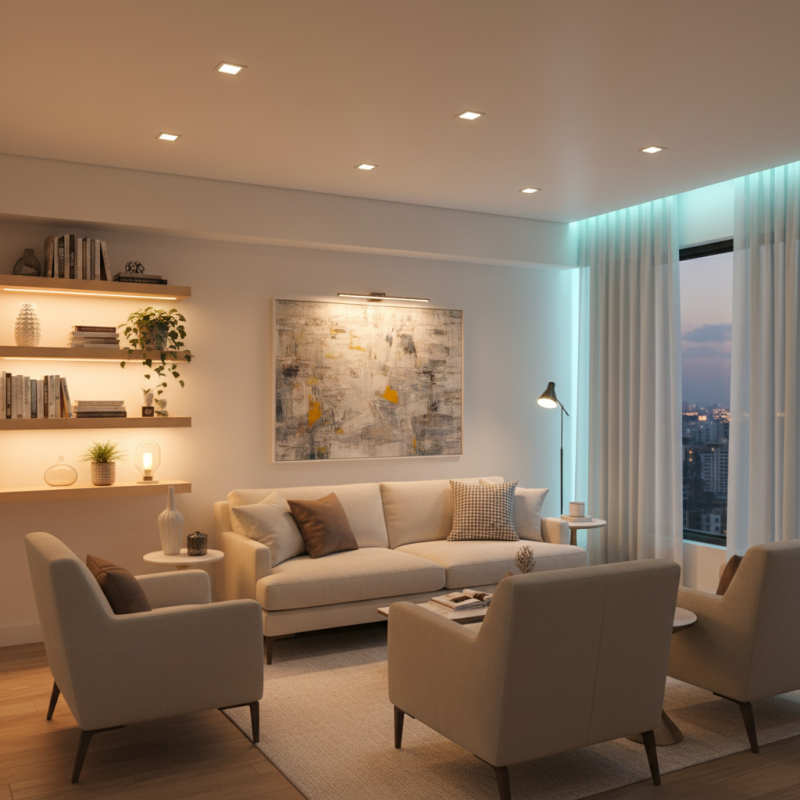
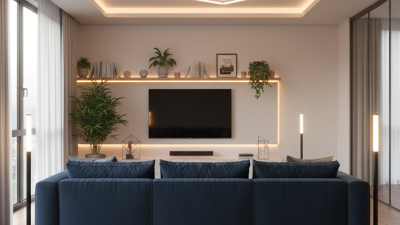
For instance, recessed lights are great for creating a modern, minimalist look. They can illuminate a room without hanging fixtures. On the other hand, strip lights offer versatility. They can be placed under cabinets or along shelves to enhance ambiance. Consider color temperature too. Warm white creates a cozy feel, while cool white can energize a space.
When selecting LED lights, think about the brightness you need. Measured in lumens, this can affect how well an area is lit. Dimmer compatibility is another factor to ponder. Not all LED lights work with dimmers. Lastly, take a moment to reflect on your home’s style. Your choice of LED lights should complement your decor seamlessly.
10 Tips for Choosing LED Lights for Home to Enhance Your Space
| Tip No. |
Tip |
Description |
Type of LED Light |
| 1 |
Consider Brightness |
Choose LED bulbs with appropriate lumens for the space. |
Standard LED |
| 2 |
Check Color Temperature |
Select warm white for cozy ambiance and cool white for vibrant settings. |
Colored LED |
| 3 |
Energy Efficiency |
Look for Energy Star rated options to save on bills. |
Standard LED |
| 4 |
Dimming Capability |
Choose dimmable LEDs for adjustable lighting moods. |
Dimmable LED |
| 5 |
Consider Fixtures |
Ensure the LED fits well with your current light fixtures. |
Decorative LED |
| 6 |
Think About Placement |
Strategically place lights for optimal effect in a room. |
Spotlight LED |
| 7 |
Look for Lifespan |
Choose LEDs with a long lifespan for better value. |
Standard LED |
| 8 |
Select Right Size |
Make sure to match the bulb size to your fixtures. |
A-Type LED |
| 9 |
Use Smart Features |
Consider smart LEDs for automation and control. |
Smart LED |
| 10 |
Research and Reviews |
Check user reviews to make informed decisions. |
Various LED Types |
Evaluating Brightness and Color Temperature for Your Environment
Choosing the right LED lights for your home can transform your space. Brightness and color temperature play crucial roles in creating the desired atmosphere. Brightness, usually measured in lumens, determines how well a space is illuminated. Research indicates that for living areas, a range of 1000 to 2000 lumens provides adequate light. However, some may prefer dimmer options for a relaxing environment. Misjudging needed brightness can lead to either harsh lighting or too dim conditions.
Color temperature is another essential factor. Measured in Kelvins (K), it influences mood and functionality. Warm white lights (2700K-3000K) create cozy environments, ideal for bedrooms or living rooms. Cool white options (4000K-5000K) enhance focus, making them suitable for workspaces. Data from design surveys indicate that 60% of homeowners find cool lighting improves their productivity. Nevertheless, some may find such lighting harsh over extended periods. Balancing these elements is key to enhancing your home's atmosphere.
Evaluating your space steers you toward the ideal choices. Consider the purpose of each room. Reflect on how you use light to impact daily activities. It’s important not to overlook individual preferences, as lighting can evoke different feelings for each person. Tailoring your choices according to your environment is not just a matter of aesthetics but a thoughtful approach to enhancing well-being.
Brightness and Color Temperature Preferences for Home Lighting
Considering Design and Aesthetic Compatibility with Interior Decor
When selecting LED lights for your home, design and aesthetic compatibility with your interior decor play a crucial role. The right lighting can enhance architectural details, highlight artwork, and create a mood. According to a report by the American Lighting Association, homeowners often regard lighting as integral to their home’s design. This means that choosing fixtures that align with your decor style is essential.
Tip: Consider the color temperature of the LEDs. Warmer tones (2700K-3000K) are best for cozy spaces, while cooler tones (4000K and above) work well in modern settings. This subtle difference can dramatically alter your room’s atmosphere. Additionally, the fixture's style should complement existing decor. A sleek, minimalist pendant can enhance a contemporary kitchen, while ornate chandeliers may suit a traditional dining room.
Tip: Don't overlook the impact of light placement. Incorporate layered lighting, combining ambient, task, and accent options for a balanced effect. For instance, placing LED strips under cabinets can brighten countertops and create functional beauty. However, be mindful of glare and harsh transitions between light sources, as these can disrupt a harmonious look.
Thoughtful consideration of design and aesthetic compatibility will elevate your space significantly.
Exploring Smart LED Lighting Solutions for Modern Homes
Smart lighting technology is revolutionizing the way we design our homes.
With LED lights, you can create a dynamic environment that adjusts to your mood.
Many modern lighting solutions offer features such as color changing and
remote control. These features allow you to enhance different spaces throughout your home.
When choosing LED lights, consider your living areas.
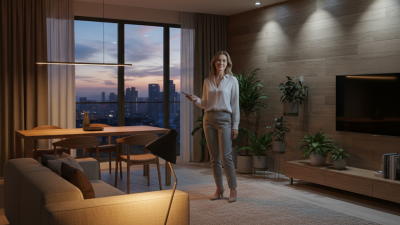
Warm white lights can create a cozy atmosphere in the living room.
Cooler colors work better in workspaces. Think about dimmable options to set the right tone.
Lighting should not be one-size-fits-all. Every space has unique needs.
Remember to explore smart features.
Voice commands and smartphone control can simplify your life.
However, it's crucial to ensure compatibility with existing home systems.
Not every smart device works well together. Research is important in this aspect.
Choosing the right LED setup could take time,
but the results can dramatically enhance your home experience.