How to Choose the Right White Light Bulbs for Your Home?
Choosing the right white light bulbs for your home can be a challenging task. With countless options available, making an informed decision is crucial. White light bulbs have different qualities that impact ambiance, energy efficiency, and functionality. It's essential to recognize the specific needs of each room, as lighting can significantly alter the mood and utility of a space.
The first step involves understanding lumens and color temperatures. Brightness and warmth greatly influence how we perceive a room. A bulb that is too harsh can create an uncomfortable environment. On the other hand, soft white bulbs might not provide enough illumination for tasks. Consider experimenting with various options before settling on one.
Additionally, think about energy consumption. Some white light bulbs are more energy-efficient than others, impacting your utility bills in the long run. Don't overlook your home's style; the look of a bulb can also affect the aesthetic appeal. Ultimately, finding the perfect white light bulbs requires reflection and consideration of your lifestyle and needs.
Understanding the Different Types of White Light Bulbs Available
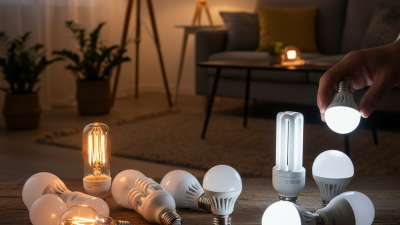
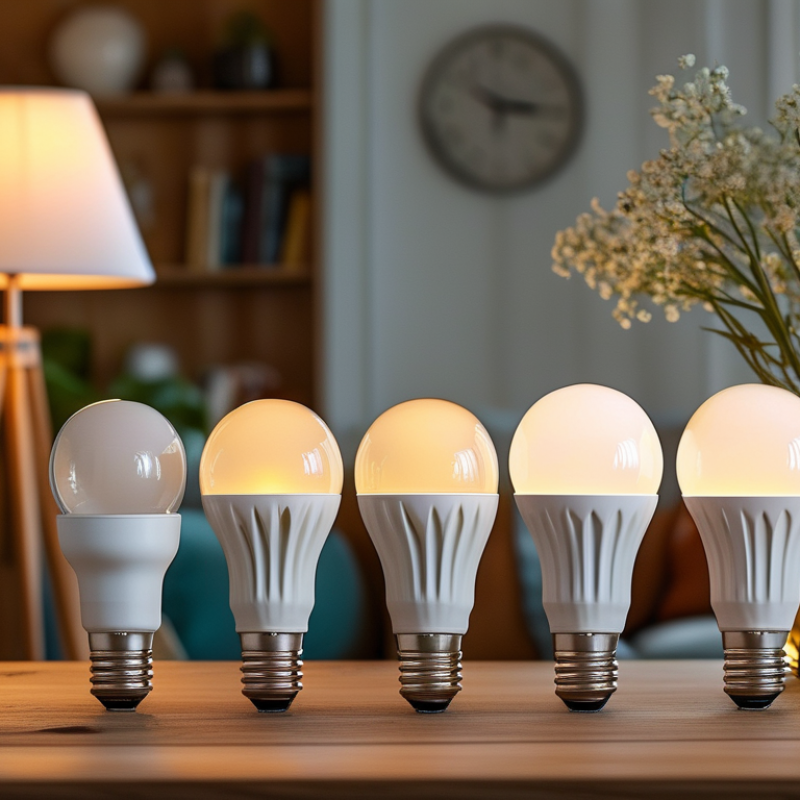
When choosing white light bulbs for your home, it's crucial to understand the variety available. White light bulbs come in several types, including incandescent, fluorescent, and LED. According to the U.S. Department of Energy, LED bulbs can be up to 80% more efficient than incandescents. With longevity ranging from 15,000 to 30,000 hours, LED lights are a smart investment for any household.
Each type of bulb has its own color temperature. For instance, soft white bulbs (2700K) create a warm and cozy ambiance, perfect for living rooms. In contrast, bright white bulbs (3000K) provide a cleaner, more energizing light suited for kitchens or workspaces. It's essential to consider where you intend to use these lights, as the wrong temperature can impact your mood and productivity.
Tips: Always check the lumens rating to gauge brightness. A bulb with 800 lumens roughly equals a standard 60-watt incandescent bulb. If you're uncertain about the type of light, experimenting with a few options in different rooms can help determine what feels right. Lastly, mismatched bulbs can lead to a disjointed look in your home. So, try to maintain consistency for better aesthetics.
Evaluating the Color Temperature for Optimal Lighting in Your Home
Choosing the right color temperature for white light bulbs can transform your home. Light bulbs come in various temperatures, typically ranging from 2700K to 6500K. Lower values create a warm, cozy atmosphere, while higher values yield a cool, energizing feel.
When evaluating light bulbs, consider the function of each room. A warm tone can enhance relaxation in bedrooms and living spaces. Conversely, cooler tones improve visibility in work areas like kitchens and home offices. Look at how the light interacts with your walls and furniture. Pale walls might reflect more light, altering the perceived warmth or coolness.
Sometimes, a specific color temperature does not meet expectations. This reality necessitates testing different bulbs in your space. Adjusting the light intensity may also change the ambiance significantly. Pay attention to how you feel in the space as lighting can affect mood and productivity. Finding the right balance is not just a choice; it's a journey.
Assessing Energy Efficiency Ratings of White Light Bulbs
Selecting the right white light bulbs for your home involves understanding energy efficiency ratings. Energy-efficient bulbs can significantly reduce electricity costs. According to the U.S. Department of Energy, LED bulbs use up to 80% less energy than traditional incandescent bulbs. This energy-saving feature makes them a popular choice among homeowners.
When assessing energy efficiency ratings, look for the ENERGY STAR label. This certification indicates that a bulb meets strict efficiency guidelines. Bulbs with higher lumen output per watt are more efficient. For example, an LED bulb producing 800 lumens should use around 10 watts. In contrast, an incandescent bulb producing the same lumens may consume 60 watts.
Not all bulbs are created equal. Some may have a lower upfront cost but consume more energy over time. Reflect on the total cost of ownership over the bulb's lifespan. Higher quality bulbs may last longer and save more energy. However, it’s essential to balance upfront costs with long-term savings. A little research can go a long way in making an informed decision.
Energy Efficiency Ratings of White Light Bulbs
This chart displays the energy efficiency ratings of different types of white light bulbs, measured in lumens per watt. LED bulbs are the most efficient, followed by CFLs, with incandescent bulbs having the lowest efficiency.
Selecting the Right Brightness Level for Various Spaces
Choosing the right brightness for white light bulbs can transform your home. Different areas require various levels of brightness. For example, a living room might benefit from softer, warmer light. Meanwhile, kitchens and workspaces need brighter, more focused illumination.
In a living room, aim for around 200-400 lumens per bulb. This warmth creates a cozy atmosphere. In contrast, kitchens often require between 300-800 lumens per bulb. Bright lights help in meal preparation and can reduce accidents.
**Tips:** Consider using dimmable bulbs. This allows for flexibility based on mood and activity. Layer your lighting; combine ambient, task, and accent lights for depth. Also, think about color temperature. Warmer tones are better for relaxation, while cooler tones can enhance alertness.
Reflect on your needs. Do you need bright light when reading? Or softer light for lounging? Personal preferences greatly influence these choices. Adjusting brightness can lead to better comfort and functionality in your spaces.
How to Choose the Right White Light Bulbs for Your Home? - Selecting the Right Brightness Level for Various Spaces
| Room Type |
Recommended Brightness (Lumens) |
Color Temperature (Kelvin) |
Best Uses |
| Living Room |
1500 - 3000 |
2700 - 3000K |
Relaxation and socializing |
| Kitchen |
3000 - 6000 |
3000 - 4000K |
Cooking and food prep |
| Bathroom |
3000 - 6000 |
3500 - 4000K |
Personal grooming |
| Bedroom |
100 - 800 |
2700K |
Relaxation and sleep |
| Office |
300 - 700 |
4000 - 5000K |
Work and productivity |
Comparing Lifespan and Cost of Different White Light Bulb Options
When choosing white light bulbs, lifespan and cost are key factors.
LED bulbs usually last the longest, averaging around
25,000 to 50,000 hours. In contrast, incandescent bulbs shine for about
1,000 hours. This longevity impacts your wallet too. Over time, the
lower operational cost of LEDs can lead to significant savings.
A recent study highlighted that switching to LED can save up to
75% on electricity. Even though the upfront cost is higher, it's worth considering.
Compact fluorescent lamps (CFLs) are another option. They last around
10,000 hours. However, they may not fit all fixtures.
The initial price of white bulbs varies. Incandescents are cheaper but short-lived. CFLs strike a balance
in price and lifespan. Yet, they contain small amounts of mercury, requiring careful disposal. Consumers often
overlook this aspect. Choose wisely based not only on features but also on total cost of ownership.