Professional manufacturer
Innovating World Trade with Code
Contact us
Leave Your Message

How to Choose the Best GU24 LED Bulb?

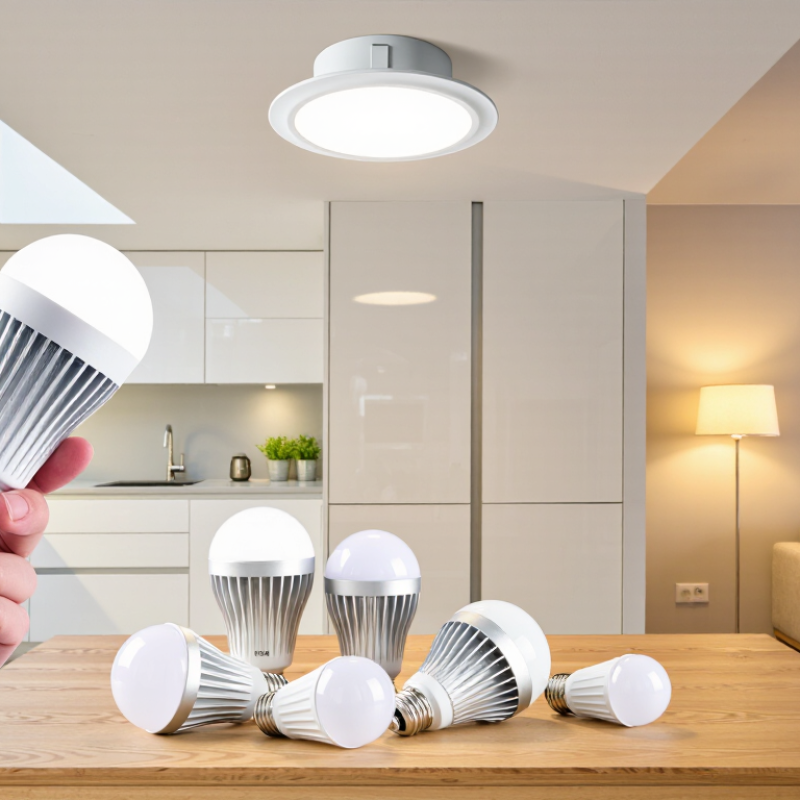
Choosing the best GU24 LED bulb starts with a simple check: confirm that your fixture has a two-pin GU24 twist-lock socket. The base must match. A standard screw-in bulb is not a substitute. Then compare brightness in lumens, not watts. For a kitchen ceiling, a brighter, neutral-white bulb may feel practical; beside a sofa, softer warm light often feels calmer. Small choices matter.

Lighting researcher Dr. Mariana Figueiro’s work highlights that light affects more than visibility. A practical, paraphrased takeaway for GU24 shoppers is: “Choose light for the room and the people using it, not brightness alone.” That is guidance, not a verified verbatim quotation. Check color temperature, color rendering, and dimmer compatibility before buying. A bulb can look right online and still feel harsh under a shallow hallway shade. It happens.

This guide will help you compare GU24 LED bulbs by fit, brightness, color quality, energy use, and expected lifespan. We’ll also cover dimming and enclosed-fixture notes, since packaging details can be easy to overlook. If you replace a bulb in a pair, matching both color temperature and brightness can keep the room from looking uneven. There is no single best choice for every fixture. Measure the available space, read the bulb label, and consider how the room is used at night. One detail may still surprise you: a technically compatible bulb can produce light that simply feels wrong for your space.
How to Choose the Best GU24 LED Bulb?

Understanding the GU24 Base and Fixture Requirements

How to Choose the Best GU24 LED Bulb?
Understanding the GU24 Base and Fixture Requirements

A GU24 socket uses two pins, spaced 24 millimeters apart, that lock with a short twist. It will not accept a standard screw-base bulb. Match the base precisely, then check the fixture label for voltage and maximum wattage. Never force the pins; a snug, quarter-turn fit is what you want.

The fixture sets other limits. Measure the bulb’s length and width against the shade, especially in recessed cans and compact sconces. Check for enclosed-fixture approval, and confirm dimmer compatibility if needed. The U.S. Department of Energy reports that LEDs use at least 75% less energy and last up to 25 times longer than incandescent lighting. These are broad comparisons, not guarantees for every GU24 bulb. Dimensions are easy to overlook, even when the base fits.

Tips: Switch off power and compare the old bulb’s base and printed ratings before buying. Check the label. If fixture markings are faded, do not guess; ask a qualified electrician to identify the socket requirements.
Matching Bulb Size, Shape, and Electrical Specifications

How to Choose the Best GU24 LED Bulb?

A GU24 bulb uses two pins that lock into the socket with a short twist. Match that base, then check the fixture’s label for its voltage and maximum wattage. GU24 alone does not tell you whether a bulb will fit or operate safely. Small details matter.

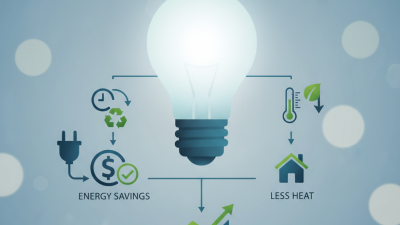
Measure the old bulb’s length and widest point, especially inside a shallow ceiling fixture. A bulb that is too tall can protrude; a wide globe may hit the trim. Compare the shape and dimensions on the package, not just the product photo. For brightness, compare lumens rather than watts. The U.S. Department of Energy reports that LED bulbs use at least 75% less energy and can last up to 25 times longer than incandescent bulbs. Actual results vary by product and use.

Check the bulb’s input-voltage range against the fixture, and confirm that its wattage stays within the fixture’s limit. Never guess. If you use a dimmer, choose a bulb marked dimmable and check compatibility; some combinations flicker or buzz at low settings. Also look for suitability for enclosed fixtures when the bulb will sit inside a covered housing. I still double-check this. A listing photo can hide the one dimension that matters.

Choosing Brightness, Color Temperature, and Color Quality

When choosing a GU24 LED bulb, check brightness in lumens rather than comparing watts alone. A 450-lumen bulb gives a gentle glow for a bedside lamp, while a larger kitchen may need several brighter bulbs. The right level depends on fixture placement and wall color, too. Small details matter. If the bulb will use a dimmer, confirm that both are compatible; otherwise, flickering can spoil an otherwise good choice.

Color temperature changes how a room feels. Around 2700K to 3000K produces a warm, soft light that suits bedrooms and living areas. A range near 3500K to 4000K looks more neutral for kitchens or workspaces. Higher temperatures can appear crisp, but may feel stark in a cozy room. Numbers help, but they do not tell the whole story; compare bulbs in the actual space if possible.

Color quality is easy to overlook. Check the color rendering index, or CRI: 80 or higher works for many everyday settings, while 90 or higher can help clothing, food, and artwork look more natural. Yet a high CRI rating does not guarantee that every color will look pleasing. Read the specification, then trust what you see under the fixture. I would pause before buying several bulbs at once; the first one may reveal that the light is brighter or cooler than expected.

How to Choose the Best GU24 LED Bulb: Brightness, Color Temperature, and Color Quality
Selection factor Typical range or option What it means Best suited for
Brightness 450–500 lumens A lower light output, often comparable to a traditional 40-watt incandescent bulb. Accent lighting, small areas, or fixtures where softer illumination is preferred.
Brightness 750–850 lumens A common general-purpose output, often comparable to a traditional 60-watt incandescent bulb. Bedrooms, living areas, and many everyday household fixtures.
Brightness 1,050–1,200 lumens A brighter output, often comparable to a traditional 75-watt incandescent bulb. Kitchens, work areas, or rooms that need stronger overall illumination.
Brightness 1,500–1,700 lumens A high output, often comparable to a traditional 100-watt incandescent bulb. Large rooms or fixtures designed to accommodate higher-lumen bulbs; check the fixture’s limits.
LED energy use About 5–15 watts for many household bulbs LEDs generally use less electricity than incandescent bulbs for a similar light output. Compare lumens rather than watts when choosing brightness. Energy-conscious replacements; actual wattage varies by bulb design and light output.
Color temperature 2,700–3,000 K Warm white light with a soft, yellowish appearance. Bedrooms, living rooms, and other relaxing spaces.
Color temperature 3,500–4,100 K Neutral white light that appears less yellow than warm white. Kitchens, bathrooms, and multipurpose rooms.
Color temperature 5,000–6,500 K Cool daylight-style light with a bluer appearance. Task areas where a cooler-looking light is preferred; it may feel stark in relaxing spaces.
Color quality (CRI) CRI 80+ A common baseline for household lighting; colors may look less accurate than under higher-CRI light. General lighting where precise color appearance is not a priority.
Color quality (CRI) CRI 90+ High color-rendering quality that can make colors appear more natural and distinct. Makeup areas, artwork, clothing selection, and other settings where color appearance matters.
GU24 base and compatibility Two-pin twist-lock base GU24 bulbs use two pins that lock into a matching GU24 socket. The base must match the fixture; it is not interchangeable with a standard screw base. Check the existing socket and bulb dimensions before buying. Also confirm that the bulb fits the shade or enclosure.
Dimming and enclosed fixtures Check the bulb’s stated compatibility Not every LED bulb is dimmable or approved for use in enclosed fixtures. Dimming performance can also depend on the dimmer. Choose a bulb specifically marked for the intended fixture and control; verify the fixture’s maximum wattage and other requirements.
Selection tip: Start with the fixture’s GU24 socket and size requirements, then choose lumens for the desired brightness, kelvins for the preferred light appearance, and CRI for color accuracy. Equivalency and performance vary between bulbs, so check the product label and fixture instructions.

Checking Dimming Compatibility, Efficiency, and Certifications

Before buying a GU24 LED bulb, check whether it is marked dimmable and whether its instructions support your dimmer type. Older dimmers may be designed for incandescent loads, which can cause LED flicker, buzzing, or a narrow adjustment range. If possible, check the dimmer’s compatibility list for the bulb’s exact model. Test the lowest setting, too. A bulb that dims smoothly at full brightness may still jump or shut off near the bottom. Small details matter.

Compare light output in lumens, not just wattage. A 9-watt bulb may produce enough light to replace a higher-wattage incandescent, but output varies by design. Check lumens per watt for efficiency, then consider color temperature and color rendering. Around 2700 K gives a warm, familiar glow; a higher value can look cooler in a kitchen or workspace. CRI 80 or above is a useful baseline for everyday spaces. Room size and shade shape can change how bright the bulb feels.

Look for relevant, verifiable safety and performance marks, such as UL or ETL listing, and an energy-efficiency certification where available. Confirm that the certification applies to the precise bulb model, not just the seller’s product family. Labels help, but they do not guarantee a good dimming experience in every fixture. I would still compare the return policy and keep the packaging until the bulb has been tested.

Comparing Lifespan and Features for Your Lighting Needs

How to Choose the Best GU24 LED Bulb?

A GU24 bulb uses a two-pin twist-lock base, so check the socket before comparing lifespan claims. Then match brightness to the room: lumens describe light output, while watts describe power use. A 800-lumen bulb can suit a small bedside lamp, but may feel weak over a kitchen counter. Details matter.

The U.S. Department of Energy’s Energy Saver guidance reports that LEDs use at least 75% less energy and can last up to 25 times longer than incandescent bulbs. Those figures are useful benchmarks, not a promise for every GU24 bulb. Heat, frequent switching, and enclosed fixtures can affect performance. Check the package for the rated hours and whether the bulb is approved for enclosed fixtures.

Lifespan claims need context. The Department of Energy’s LED lifetime guidance discusses L70, the point when light output falls to 70% of its initial level. The bulb may still work then, but the room can look dimmer. Look for a stated L70 rating, a suitable color temperature, and clear dimmer compatibility. Warm white light often feels calmer in bedrooms; cooler light can make work surfaces look sharper. I still find color labels a little abstract—checking a sample in the actual room is more reliable.