2026 How to Choose the Best Led Filament Bulb for Your Home?
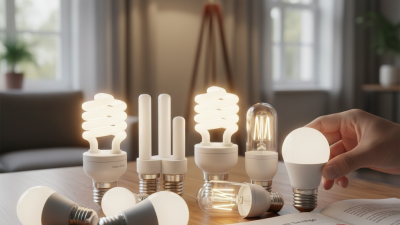
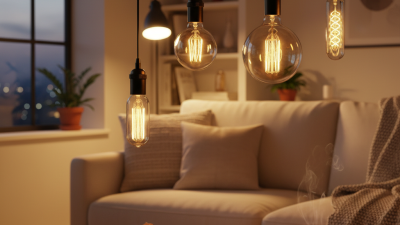
When it comes to selecting the perfect lighting for your home, the choice of a Led Filament Bulb can significantly impact both ambiance and energy efficiency. These bulbs combine vintage aesthetics with modern technology, appealing to a wide range of design preferences. Understanding the features of Led Filament Bulbs can be overwhelming, given the variety of options available in the market.
Consider the wattage and brightness levels. Different spaces in your home may require different lighting intensities. Some people prefer a warm glow in their living areas, while others opt for bright, white light in their workspaces. The choice often reflects personal taste and functional needs.
While Led Filament Bulbs are energy-efficient, they may not always be the best option for every setting. Some users find that the color rendering might not suit their decor. It’s important to design a lighting scheme that complements your home’s aesthetic while being practical. Exploring different styles, sizes, and color temperatures can lead to meaningful reflections on how light affects daily life.
Selecting the Right Brightness: Lumens and Their Impact on Lighting
When choosing LED filament bulbs, brightness is key. Measured in lumens, it determines how light fills a room. A bulb with too few lumens may leave spaces dim and uninviting. In contrast, excessively bright bulbs can create discomfort. Striking a balance is crucial for any home setup.
Start by assessing the size of your space. Larger rooms require more lumens to achieve the desired lighting effect. Think about how you use each room. A cozy reading nook may need soft light, while the kitchen benefits from bright, task-oriented lighting.
Tips: Consider warm white light for living areas to create a relaxing atmosphere. Use cool white light in workspaces for clarity and focus. This approach respects the mood of each environment. Before making a choice, reflect on the current bulbs and their effectiveness. Are they truly satisfying your lighting needs? Adjusting brightness can transform your home dramatically.
Evaluating your choices helps prevent regret later. Making a well-informed decision ensures lasting satisfaction with your lighting. Remember, each bulb impacts the overall feel of your home. An intentional selection leads to better living spaces.
2026 How to Choose the Best Led Filament Bulb for Your Home? - Selecting the Right Brightness: Lumens and Their Impact on Lighting
| Type of LED Bulb |
Wattage |
Lumens |
Color Temperature (K) |
Estimated Lifespan (hours) |
Best Uses |
| A19 |
8W |
800 lm |
2700K |
15,000 |
Living Rooms, Bedrooms |
| Dimmable R20 |
7W |
650 lm |
3000K |
25,000 |
Kitchens, Dining Rooms |
| G25 Globe |
9W |
800 lm |
2700K |
20,000 |
Vanities, Decorative Fixtures |
| PAR38 |
12W |
1200 lm |
5000K |
25,000 |
Outdoor, Accent Lighting |
| Candelabra |
4W |
400 lm |
3000K |
15,000 |
Chandeliers, Decorative Fixtures |
Understanding Color Temperature: Choosing the Right Warmth for Your Space
Choosing the right color temperature for your LED filament bulbs can dramatically affect your home's ambiance. Color temperature is measured in Kelvin (K) and determines whether the light is warm or cool. Warm light typically ranges from 2700K to 3000K, creating a cozy atmosphere ideal for living rooms and bedrooms. On the other hand, cooler light, around 4000K to 5000K, is perfect for workspaces where focus is crucial.
When selecting bulbs, consider the purpose of each room. A soft, warm light can make a dining space feel inviting, encouraging relaxation and conversation. However, in areas like the kitchen or home office, brighter, cooler light can enhance visibility and concentration. It's essential to reflect on how these variations of color temperature can impact your daily activities and moods.
Yet, the decision is not always straightforward. You may find that certain bulbs don't emit the warmth you expect. This inconsistency may lead to misunderstandings about their brightness and effectiveness. Try experimenting with different temperatures within your home. Observe how each setting influences your comfort and productivity. This process of trial and error can help you better understand what truly works for your space.
Understanding Color Temperature in LED Filament Bulbs
This bar chart illustrates the color temperature ranges of various LED filament bulb types. Warmer temperatures (e.g., 2700K) create a cozy atmosphere, while cooler temperatures (e.g., 6500K) are better for tasks that require concentration.
Assessing Energy Efficiency: Comparing LED Filament Bulbs with Traditional Options
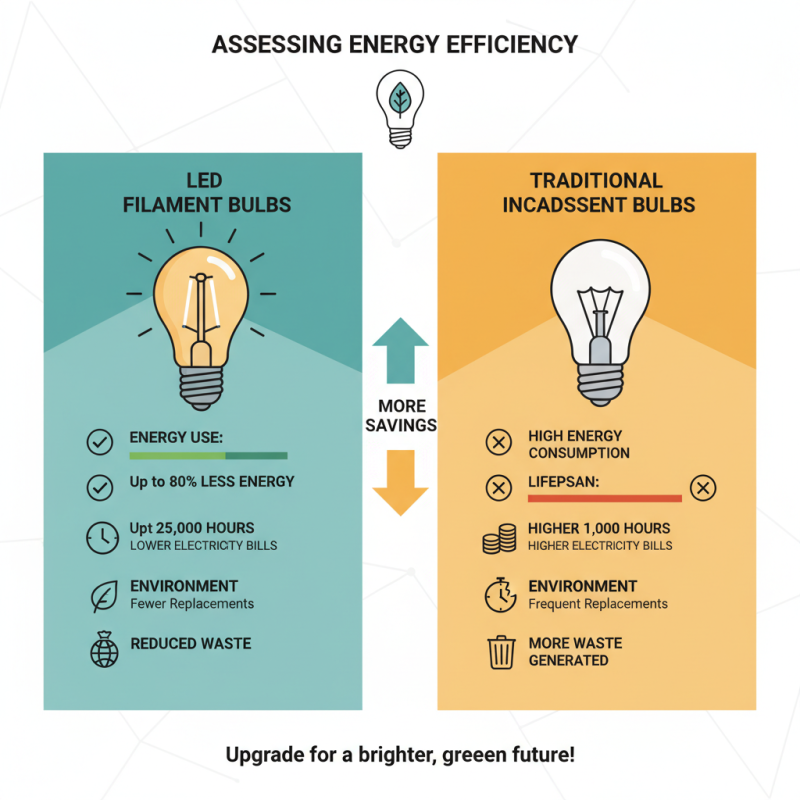
When considering LED filament bulbs for your home, energy efficiency is a key factor. LED bulbs use up to 80% less energy than traditional incandescent options. This translates to lower electricity bills, benefiting both your wallet and the environment. LED filament bulbs also have a longer lifespan, lasting up to 25,000 hours. This can mean fewer replacements over time and less waste generated.
When choosing bulbs, look for the Energy Star label. This ensures that the product meets strict energy efficiency guidelines. Check the lumens output to measure brightness. A higher lumens count means more light. However, balance brightness and energy consumption to avoid wasting energy on unnecessary illumination.
Tip: Always consider the color temperature. A warm white (around 2700K) offers a cozy atmosphere. A cooler light (above 4000K) is better for workspaces.
Not all LED filament bulbs are created equal. Some may flicker or dim unexpectedly. It's crucial to read user reviews and conduct thorough research before making a purchase. Choose reputable retailers to avoid low-quality products. Always have a plan for testing the bulbs in your desired environment before fully committing.
Evaluating Lifespan and Durability: Why LED Filament Bulbs Last Longer
When choosing LED filament bulbs, one crucial factor is their lifespan and durability. LED filament bulbs are known to outlast traditional incandescent bulbs significantly. Typically, they offer around 15,000 to 25,000 hours of illumination. This longevity translates to fewer replacements and reduced waste over time. The materials used in these bulbs contribute greatly to their durability. Glass is often utilized instead of plastic, providing better heat resistance and protection from breakage.
Moreover, the construction of LED filaments allows them to withstand vibrations and shocks better than their incandescent counterparts. This resilience can be particularly beneficial in homes with pets or in busy environments. However, not all LED filament bulbs are created equal. Variations in quality exist. Some cheaper options may not offer the promised lifespan, leading to disappointment.
It’s essential to evaluate the build quality of the bulb. Look for options that provide clear specifications. Pay attention to the warranty offered, as a reliable brand will often back its products with strong guarantees. While LED filament bulbs remain an excellent choice, ongoing research into energy efficiency and design improvements continues to enhance their quality. Always consider personal experiences with various brands, and don’t hesitate to seek second opinions.
Considering Dimmability and Compatibility: Ensuring Your Bulb Matches Your Fixtures
When choosing LED filament bulbs, dimmability is crucial. Not all bulbs work with dimmer switches. Verify if the bulb you select is dimmable. A compatible dimmable bulb enhances your lighting experience. When adjusted, it can create the perfect ambiance.
Consider your fixtures too. Make sure the base type matches. This simple step ensures proper fit and function. Bulbs come in various shapes and sizes. If a bulb doesn’t fit, it’s useless. Look for clear descriptions or specifications. Trustworthy sources provide vital details.
Tips: Test your dimmer switch with various bulbs. Not all dimmers function well with LED bulbs. You might face flickering or buzzing. If this happens, reconsider your bulb choice. Always check the compatibility with your existing fixtures. A mismatched bulb leads to frustration.