How to Choose the Best White Light Bulbs for Your Home?
Selecting the right white light bulbs for your home is crucial. The right choice influences ambiance, mood, and energy consumption. White light bulbs come in various types and brightness levels. Understanding their features will help you make informed decisions.
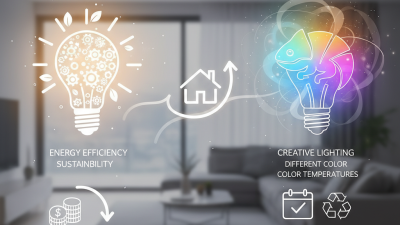
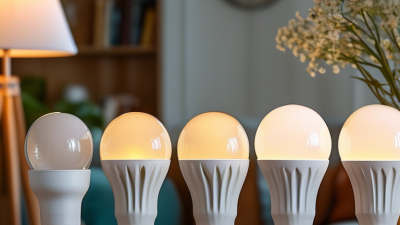
Energy-efficient LED bulbs are popular choices. They provide bright illumination while saving on electricity bills. However, not all LEDs are created equal. Some may emit a harsh light that can feel unwelcoming. It’s essential to evaluate color temperatures. Warmer tones can create a cozy environment, while cooler tones offer a more clinical feel.
Another aspect to consider is the bulb's longevity. Some white light bulbs last longer than others. Investing in high-quality options can be beneficial. However, navigating through brands and specifications can be overwhelming. It's okay to feel uncertain. Gathering opinions and researching ahead of time aids in making the best choice for your space.
Understanding the Different Types of White Light Bulbs Available
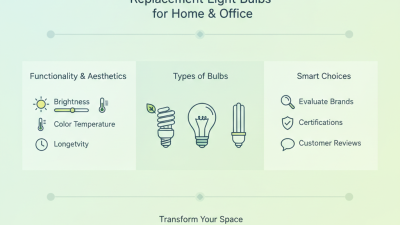
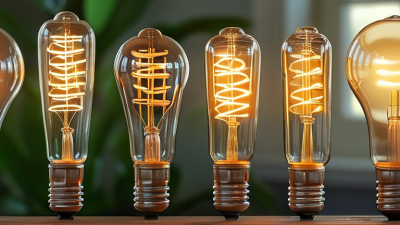
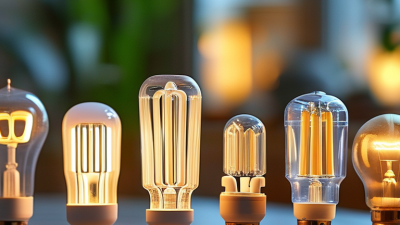
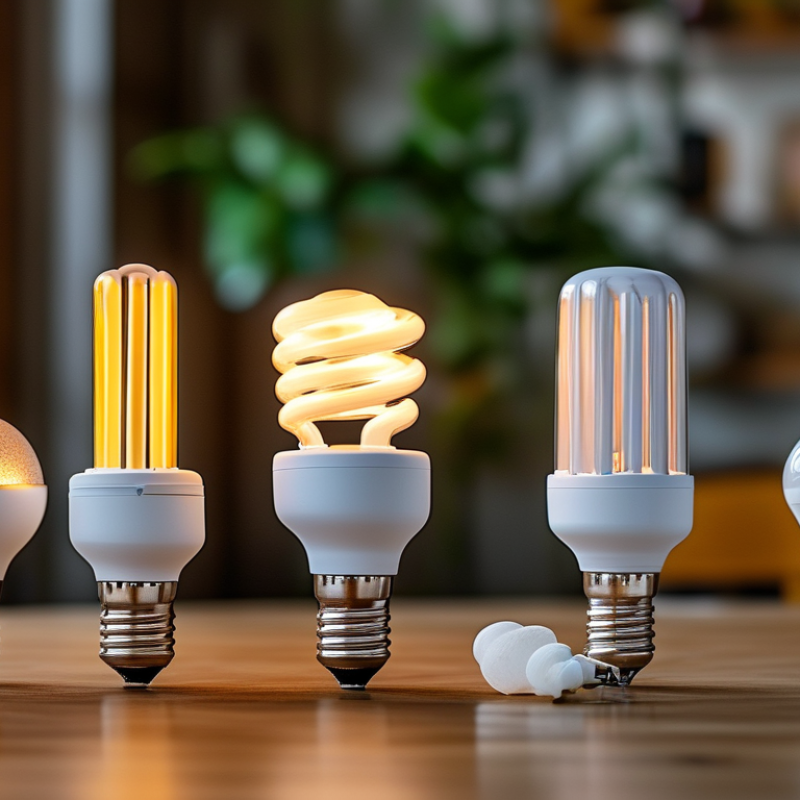
When it comes to white light bulbs, understanding the differences is crucial. There are several types available, each serving a unique purpose. LED bulbs are energy-efficient and long-lasting. They emit bright, clear white light, ideal for workspaces or reading areas. On the other hand, incandescent bulbs provide a warm, inviting glow. These create a cozy atmosphere but consume more energy and have a shorter lifespan.
Halogen bulbs are another option worth considering. They produce a bright, white light similar to daylight. However, they can generate significant heat and may not be suitable for all fixtures. Fluorescent bulbs, often found in commercial settings, offer a cool, white light. Yet, they can flicker and may not be aesthetically pleasing for home use. Choosing the right type depends on your specific needs and the mood you wish to create.
Selecting the proper light bulb can be more complicated than it seems. Many people overlook the impact of light color temperature. Bulbs come in varying shades, from cool to warm. A bulb's color temperature affects how a space feels. Comparing options and reading user reviews can provide insights. Consider your home’s lighting design and how you want each room to feel. Experimenting with different types can lead to unexpected discoveries about your preferences.
Evaluating Brightness Levels: Lumens vs. Watts for Optimal Lighting
When selecting the best white light bulbs, understanding brightness is crucial. Many people confuse watts with lumens. Watts measure energy consumption, not brightness. Lumens are the true indicator of how much light a bulb emits. A higher lumen count means a brighter light.
For instance, a 60-watt incandescent bulb typically produces about 800 lumens. In contrast, an LED bulb can offer the same brightness at only 10 to 12 watts. This efficiency is vital for energy savings and reducing electricity bills. However, some may overlook the warmth of the light, which can affect ambiance.
Choosing the right brightness involves trial and error. You might find that certain areas in your home need different lumen levels. A cozy reading nook may require softer, warmer light, while a kitchen could benefit from brighter, cooler tones. It’s essential to evaluate your space and consider how light affects your daily activities.
Brightness Levels of White Light Bulbs (Lumens vs. Watts)
Color Temperature Explained: Choosing the Right Shade of White Light
When choosing white light bulbs, understanding color temperature is essential. Color temperature is measured in Kelvin (K). A lower Kelvin number denotes a warmer light, while a higher number indicates a cooler light.
Warm white bulbs, around 2700K to 3000K, create a cozy atmosphere. They are perfect for living rooms and bedrooms. Cooler whites, around 4000K to 5000K, offer a bright, energetic feel. These are ideal for kitchens and workspaces.
Different rooms benefit from specific shades of white light. Consider the room's purpose. A relaxing space may need softer lighting. A workspace requires clarity and focus. Many homes mix the color temperatures to energize different areas.
However, matching color temperatures might create a more harmonious feel. Experimentation is key. Sometimes, the light may appear different at various times of the day.
Remember to factor in the bulb's intensity. Not all bulbs deliver the same brightness. Sometimes, what seems perfect at first can feel harsh later. The right choice may require trial and error.
Observe how the light shifts throughout the day in your environment. Make adjustments as needed for comfort and usability. Finding the best white light bulb is a thoughtful process.
Energy Efficiency Ratings: Finding Eco-Friendly Bulb Options
When selecting white light bulbs, energy efficiency ratings play a crucial role. The U.S. Department of Energy (DOE) emphasizes that lighting accounts for about 15% of the average home's electric bill. Choosing the right bulbs can lead to substantial savings. For instance, LED bulbs use at least 75% less energy than traditional incandescent bulbs. This fact reflects a growing trend toward eco-friendly options in households.
Evaluating the efficiency of light bulbs involves understanding the Lighting Facts label. This label provides valuable information, including lumens per watt, which measures brightness per energy unit. According to the Energy Star program, bulbs with a higher lumens-per-watt rating can produce the same brightness but consume less power. Additionally, the DOE found that LED bulbs can last up to 25,000 hours compared to just 1,000 hours for incandescent bulbs. These numbers indicate that investing in energy-efficient bulbs can reduce long-term costs and environmental impact.
However, not every eco-friendly bulb suits every home. Some may produce a harsh light that disturbs ambiance. Consumers should also consider their specific lighting needs. For example, task lighting for kitchens may require different brightness levels than soft lighting for living areas. Balancing efficiency with personal preference often leads to better satisfaction. Always think through your choices before making final decisions on lighting for your home.
Considerations for Fixture Compatibility and Bulb Lifespan
When selecting white light bulbs, fixture compatibility is crucial. Not all bulbs fit every fixture, so checking sizes and bases matters. For example, a standard A19 bulb typically works in most home sockets. Yet, some fixtures require specific types, like candelabra or GU10. Double-checking these specifications can prevent frustrating installation failures.
Another important aspect is the bulb's lifespan. Many consumers overlook this detail, yet it's vital for cost-effectiveness. LED bulbs, for instance, last up to 25,000 hours compared to incandescent options, which may only shine for 1,000 hours. While the initial cost of LEDs can be higher, their longevity can save money in the long run. Assess your needs and consider how often you change bulbs. It can be a hassle replacing bulbs frequently, so opting for longer-lasting options is generally wiser. Balancing the upfront cost against durability is essential for effective home lighting.
How to Choose the Best White Light Bulbs for Your Home? - Considerations for Fixture Compatibility and Bulb Lifespan
| Bulb Type |
Color Temperature (Kelvin) |
Lifespan (Hours) |
Fixture Compatibility |
| LED |
3000K - 5000K |
15000 - 25000 |
Dimmable, Enclosed Fixtures |
| CFL |
2700K - 4100K |
8000 - 15000 |
Standard Fixtures |
| Incandescent |
2700K |
750 - 2000 |
Dimmable, Bare Bulbs |
| Halogen |
2900K - 3200K |
2000 - 4000 |
Dimmable, Clear Fixtures |