Top 10 Replacement Bulb Manufacturers in China
Choosing a reliable replacement bulb manufacturer involves more than comparing prices. China has a broad lighting supply base, with companies serving household, commercial, and industrial markets. Their capabilities differ, so a supplier’s fit depends on the product and project. Details matter. A bulb’s base, dimensions, voltage, wattage, color temperature, and dimming behavior all affect compatibility. Small mismatches can create delays or costly returns.
This guide to the Top 10 Replacement Bulb Manufacturers in China offers a starting point for researching potential suppliers. It considers product range, production capabilities, quality-control practices, customization options, and communication support. These factors can help buyers prepare more focused conversations, but a list cannot replace direct evaluation. Ask for current product specifications, sample units, test information, and clear details about lead times and minimum order quantities. Check whether the manufacturer can explain how it handles inspections and product changes. Good evidence matters. Company profiles and catalogs are useful, but they do not tell the whole story. A sample may perform differently from a larger production run, and that possibility deserves attention. Use the profiles as a shortlist, then confirm claims through documentation and practical testing before making a purchasing decision.
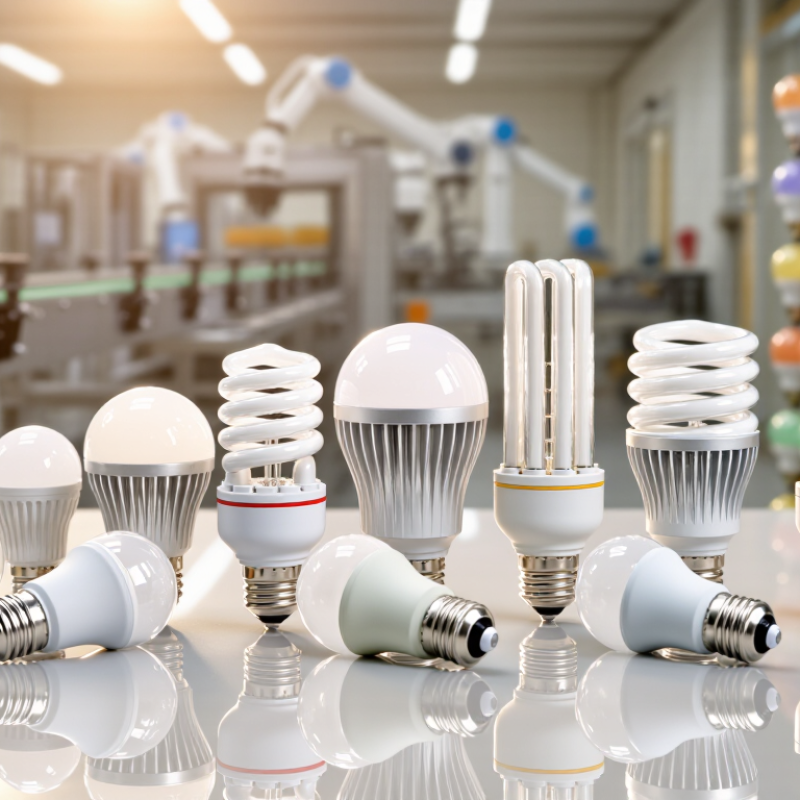
Replacement Bulbs in China: Product Types and Market Scope
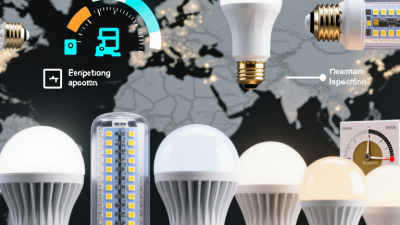
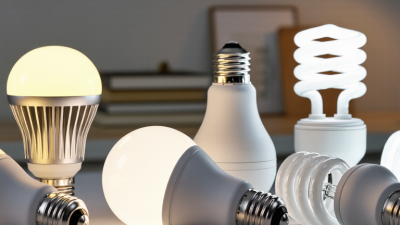
China’s replacement-bulb market spans household lamps, vehicle bulbs, industrial tubes, and specialty lighting. LED retrofit bulbs are central to the category, while halogen and fluorescent replacements still serve installed fixtures and specific applications. Buyers compare cap type, voltage, lumen output, color temperature, and physical size—not just wattage. Fit matters.
The International Energy Agency has estimated that lighting uses about 15% of global electricity. This helps explain the shift toward efficient replacement LEDs, but it does not describe China’s market alone. Chinese suppliers serve domestic demand and export channels, with products ranging from common screw-base bulbs to compact vehicle and machinery lamps. The category is not as tidy as a catalog suggests: identical-looking bulbs may differ in beam pattern, heat handling, or driver design, and those details affect performance.
Tips: Check the fixture label and measure the old bulb before ordering. For vehicle replacements, verify the bulb code and intended application; brightness alone is not a reliable match. Ask suppliers for test data on lumen output, color consistency, and operating life. A specification sheet is useful, though real-world fit can still vary.
Replacement Bulbs in China: Product Types and Market Scope
Representative rated wattage of common LED replacement products (W). Values are typical examples; specifications vary by model and application.
The product range spans household A-shape, candle, and globe bulbs, reflector lamps, linear T8 tubes, and higher-output high-bay lamps. Wattage reflects product output needs, not market share.
Criteria for Evaluating Chinese Replacement Bulb Manufacturers
Top 10 Replacement Bulb Manufacturers in China
Criteria for Evaluating Chinese Replacement Bulb Manufacturers
When comparing Chinese replacement bulb manufacturers, look beyond catalog size and quoted price. Check whether the supplier can explain bulb dimensions, base types, voltage, wattage, and compatible applications clearly. Ask for current test reports and product specifications that match the exact model under discussion. A neat document is useful, but it should correspond to the bulb you will actually receive.
Assess quality controls across production, not just a sample from one batch. Ask how the manufacturer checks light output, color consistency, heat management, and product life, and whether inspection records are available. Confirm material traceability and how defects or warranty claims are handled. If possible, review a physical sample and test it in the intended fixture. Small differences matter. A bulb that fits loosely or runs hotter than expected can create avoidable problems. No checklist is perfect; paperwork may not reveal variation between production runs.
Tips: Compare like with like: use the same specifications when requesting quotes. Ask for sample lead times, packaging details, and written warranty terms. Keep notes on answers. Vague replies deserve a follow-up.
Profiles of 10 Replacement Bulb Manufacturers in China
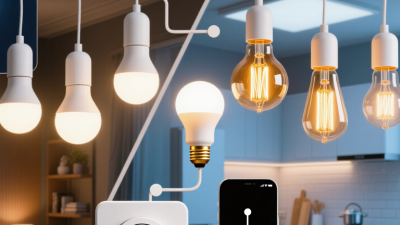
The International Energy Agency’s Energy Efficiency 2023 report estimates that LEDs represented about 50% of global lighting sales in 2022, up from 5% in 2013. That shift makes efficiency, heat management, and dependable driver performance central to replacement-bulb sourcing. These ten profiles describe distinct manufacturing strengths: high-volume A-shape bulbs; decorative filament lamps; dimmable models; smart-compatible bulbs; and high-output commercial lamps. Small details matter. A visible flicker on a dimmer can undo an otherwise strong specification.
The remaining profiles cover candle and globe bulbs; low-voltage options; emergency bulbs; export-focused private-label production; and custom engineering with in-house testing. A useful comparison checks lumen output, color consistency, rated life, and test conditions—not just unit price. Ask for sample reports and inspect several bulbs after repeated switching. One limitation: factory capacity and quality can vary by product line, so a general profile is not proof of every batch’s performance.
For buyers, confirm whether stated lifetime figures come from accelerated testing or field data, and whether warranties match the intended market. Request details on thermal testing, driver design, and batch inspection. Public information is uneven. Treat these profiles as a sourcing framework, not an independently audited ranking.
Product Ranges, Production Capabilities, and Certifications
China’s replacement-bulb manufacturers differ in range, scale, and testing depth. Common products include LED bulbs with E26 or E27 bases, candle-shaped lamps, reflector bulbs, and tubular replacements. Some factories also offer dimmable models, varied color temperatures, and custom packaging. Ask for a current product list and sample specifications; similar-looking bulbs can differ in beam angle, driver design, and heat management.
Tips: Request samples from the same production line intended for your order. Check startup behavior, light consistency, base fit, and labeling. Keep the test notes. Small differences matter.
Production capacity should be checked against your order size and delivery schedule, not just a stated monthly figure. Ask how suppliers manage component sourcing, aging tests, and batch inspection. Certifications and reports need careful review: verify the issuing body, product model, test scope, and destination-market relevance. ISO 9001 may indicate a quality-management system, but it does not prove every bulb performs well. A factory visit or third-party inspection can add useful evidence. Paperwork helps, but it is not the whole picture. Some suppliers provide strong technical files yet give limited detail on long-term failure rates; that gap deserves follow-up.
Comparing Manufacturers by Quality, Pricing, and Export Support
Choosing among the top 10 replacement bulb manufacturers in China calls for more than comparing catalog prices. Check whether each supplier can provide clear specifications for brightness, color temperature, base size, and expected lifespan. Ask for samples from the same production line as the intended order. Inspect fit, finish, and light consistency; a small color shift can matter when bulbs are installed together. Request written details about inspection methods and how defects are handled. A polished sample is useful, but it cannot guarantee every batch will match.
Pricing should be compared on equal terms. Review minimum order quantities, packaging, shipping estimates, payment stages, and replacement policies—not only the unit price. A low quote may hide costs elsewhere. Export support matters too: look for prompt answers, realistic lead times, and accurate product documents for your destination market. Ask who handles updates if production slips. Some suppliers communicate well during sampling, then become slower during a busy order. That is easy to overlook.
Tips: Send the same checklist to each manufacturer. Compare sample results and full landed costs. Keep key specifications in writing. No checklist catches everything, so consider a small trial order before scaling up.