Best Led Filament Bulb Options for Global Buyers in 2026?
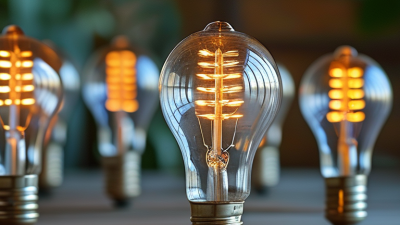
As we approach 2026, the demand for energy-efficient lighting continues to grow. Among the options available, the Led Filament Bulb stands out for its unique blend of vintage aesthetics and advanced technology. These bulbs not only provide an inviting warm glow but also consume significantly less energy than traditional incandescent bulbs. However, with so many choices on the market, how do global buyers find the best Led Filament Bulb for their needs?
The appeal of Led Filament Bulbs lies in their eco-friendliness and cost savings. Yet, not all bulbs are created equal. Quality can vary widely, affecting brightness, lifespan, and overall performance. Consumers may feel overwhelmed by the options available. It's essential to understand factors like wattage, lumens, and color temperatures. Consideration of these aspects can lead to better purchasing decisions.
Moreover, reviews and recommendations from industry experts can provide valuable insights. As consumers become more environmentally conscious, the reliability of a product becomes paramount. Thus, it's crucial to select Led Filament Bulbs from reputable brands. This ensures that the investment pays off in the long run. Despite the advantages, buyers should remain vigilant about the potential for subpar products. Balancing beauty and efficiency in lighting is not merely a technical choice; it’s a thoughtful lifestyle decision.
Overview of LED Filament Bulbs: Definition and Benefits
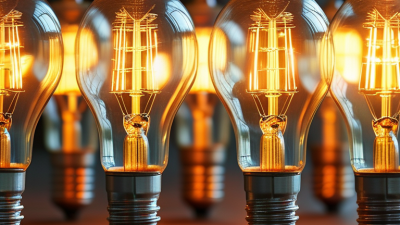
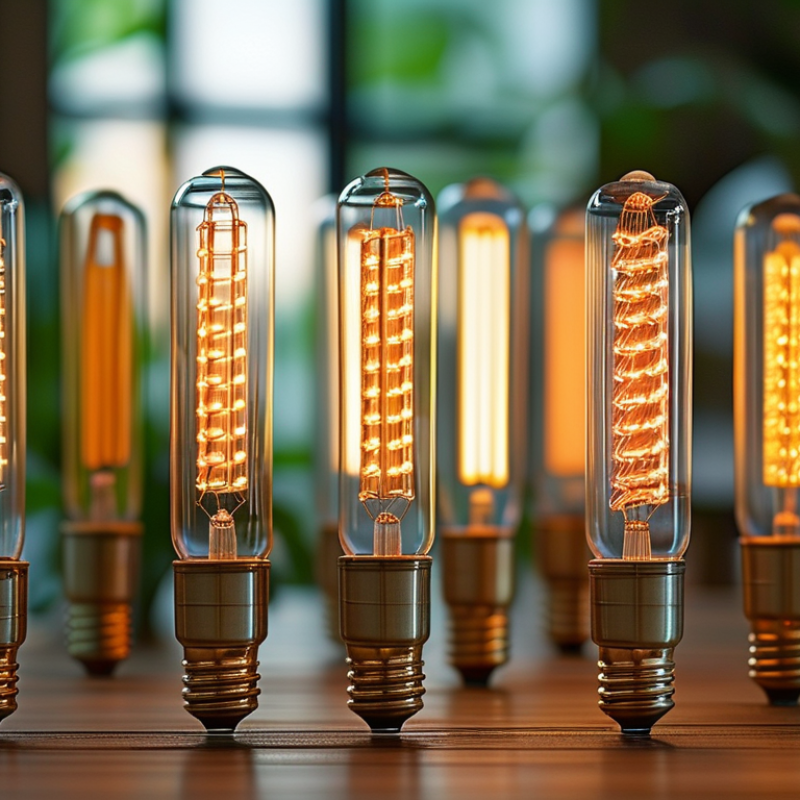
LED filament bulbs have revolutionized modern lighting with their unique design and energy efficiency. These bulbs mimic the appearance of traditional incandescent bulbs while offering enhanced longevity. Generally, they last 15,000 to 25,000 hours, significantly reducing replacements and waste.
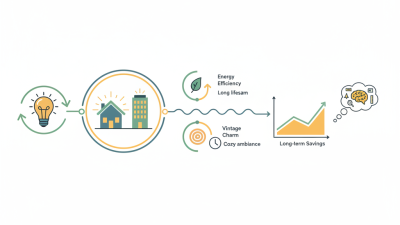
The benefits of LED filament bulbs are considerable. According to a recent industry report, they are up to 80% more energy-efficient than incandescent lights. This efficiency translates into reduced electricity bills.
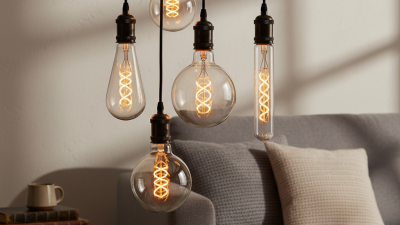
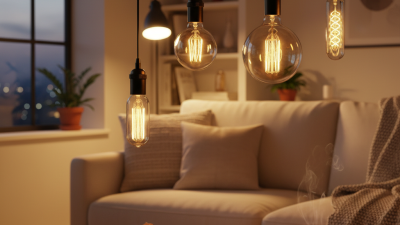
Moreover, many users appreciate the warm, inviting glow that these bulbs provide, making them suitable for various settings, from homes to coffee shops.
Tips: When selecting LED filament bulbs, look for models with high color rendering indexes (CRIs). A CRI above 80 ensures that colors appear more vibrant and true to life. Be aware that not all LED filament bulbs are dimmable. Check product descriptions to avoid issues with compatibility. Investing in quality bulbs may be more expensive upfront but can lead to long-term savings. Experimenting with different styles can also help find the right ambiance for your space.
Key Features to Consider When Choosing LED Filament Bulbs
When selecting LED filament bulbs, several key features can guide buyers toward the best choice. Brightness is one of the most important factors. Measured in lumens, a good LED filament bulb should emit at least 800 lumens to match the brightness of a traditional 60W incandescent bulb. Meanwhile, color temperature greatly affects ambiance. Options typically range from 2200K to 3000K. Warmer tones create a cozy atmosphere, while cooler tones enhance productivity.
Efficiency also deserves attention. According to the U.S. Department of Energy, LED lights use at least 75% less energy than incandescent bulbs. Lifespan is another appealing feature. Quality filament bulbs can last up to 25,000 hours, significantly reducing the frequency of replacements. This leads to lower costs over time, a critical consideration for budget-conscious consumers.
Tips for choosing the right bulb include verifying the product’s warranty. Reliable manufacturers often provide longer warranties, indicating their confidence in product quality. Another aspect is the dimmability of the bulb. Not all LED filament bulbs are dimmable, and this can influence their usability in different settings. Checking compatibility with existing dimmer switches can prevent unwanted flickering. Always evaluate the product’s certification and safety ratings to ensure a reliable purchase.
Top Brands and Their Best-Selling LED Filament Bulb Models
When choosing LED filament bulbs, numerous brands offer remarkable options. Many top brands provide an array of models catering to different preferences. These bulbs not only enhance aesthetics but also promise energy efficiency.
One widely appreciated feature is the warm light these bulbs emit, mimicking traditional incandescent lighting. They typically have a compact design, making them suitable for various fixtures. Many users value their long lifespan, often exceeding 15,000 hours. This reduces the hassle of frequent replacements. However, some users have reported inconsistencies in color temperature among different models.
For those looking to make the best choice, consider your specific needs. Check compatibility with existing fixtures and dimming capabilities. Reading customer reviews can provide insight into real-world performance. It’s also helpful to compare warranties, as this can reflect manufacturer confidence in their products.
Find bulbs that suit your style. Vintage designs appeal to many, while others prefer modern aesthetics. Ultimately, experiment with a few options before settling on a favorite. Quality and design are key, but personal preference plays a significant role.
Best Led Filament Bulb Options for Global Buyers in 2026
| Model |
Wattage |
Lumens |
Color Temperature (K) |
Lifespan (Hours) |
Energy Star Rated |
| A19 Filament |
6W |
800 |
2700 |
15000 |
Yes |
| E26 Vintage |
8W |
1000 |
2200 |
25000 |
Yes |
| G25 Globe |
5W |
600 |
3000 |
15000 |
No |
| C37 Candle |
4W |
500 |
2700 |
20000 |
Yes |
| PAR30 Spot |
12W |
900 |
3000 |
25000 |
Yes |
Comparative Analysis of Prices for Global Buyers
When exploring LED filament bulbs, pricing is a key consideration for worldwide consumers. The market for these bulbs has expanded rapidly, offering diverse options. Some bulbs might appear inexpensive but lack the longevity that justifies the cost. This can lead to higher long-term expenses. Buyers should consider not only the upfront price but also the expected lifespan and energy efficiency.
Additionally, fluctuations in global supply chains can impact prices. Import tariffs and local taxes may also affect overall costs. Consumers might notice significant differences in pricing across regions. While some markets offer premium, high-end options, others focus on budget-friendly choices. It’s important for buyers to research multiple suppliers to find the best deal that meets their needs.
While LED filament bulbs are generally energy-efficient, the environmental impact of production raises questions. Manufacturing processes can vary in sustainability. Not all bulbs are created equally; some might use materials that are less eco-friendly. This complexity can complicate the decision-making process for buyers who prioritize both cost and environmental considerations in their purchase.
Future Trends in LED Filament Bulb Technology and Sustainability
The future of LED filament bulb technology is promising and focuses on sustainability. Recent studies indicate that by 2026, LED bulbs will account for over 80% of the lighting market. This shift is largely driven by their energy efficiency and longer lifespan compared to traditional bulbs. In addition, advancements in technology are making it possible to create even more eco-friendly designs. For instance, the integration of recyclable materials in the manufacturing process is expected to become standard.
However, sustainability does not stop at production. It also includes energy consumption. According to the International Energy Agency, LED bulbs consume about 75% less energy than incandescent bulbs. This is crucial as global energy demands rise. The use of smart technology is also on the rise, allowing users to optimize their energy usage further. Nonetheless, not all bulbs offer the same efficiency. It is essential for consumers to do their research.
**Tip:** Look for bulbs with a high lumen output per watt. This ensures you are maximizing light while minimizing energy use.
The challenge remains in the recycling process. Not all cities have the infrastructure to recycle LED bulbs effectively. This raises questions about the long-term sustainability of these products. Users must stay informed about proper disposal methods to minimize environmental impact.
**Tip:** Always check for local recycling programs for electronics and bulbs. Your small effort can make a big difference.